
3PE Anti-Corrosion Steel Pipes: The Ultimate Solution for Modern Infrastructure
2025-03-08
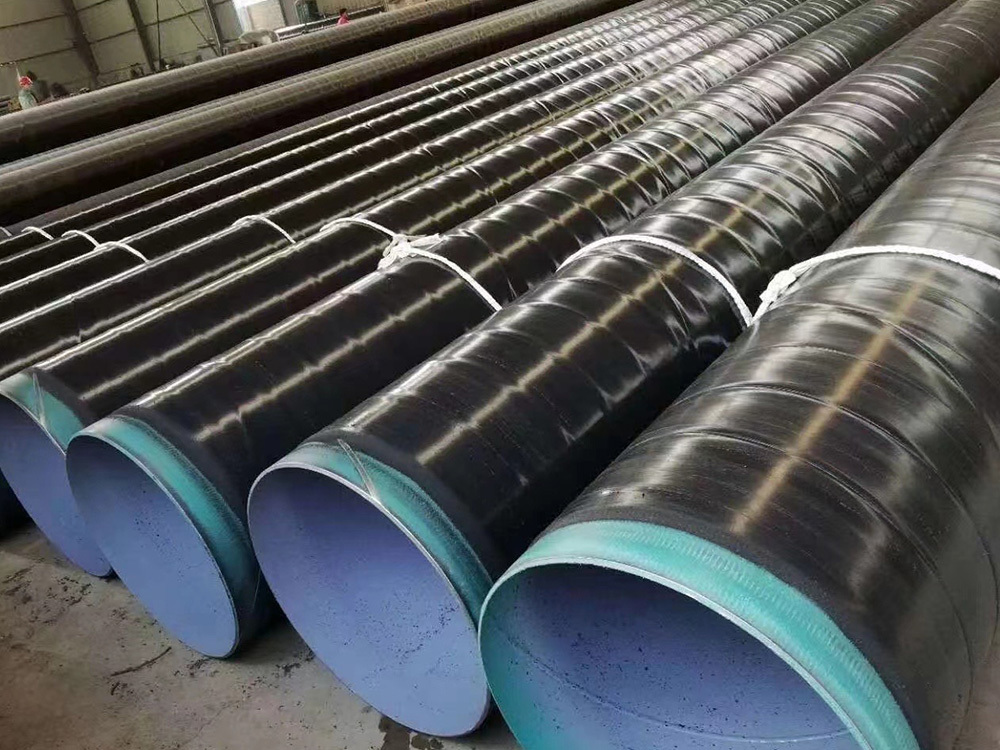
3PE Anti-Corrosion Steel Pipes: A Smart Choice for Modern Infrastructure
Table of Contents
- 1. Introduction to 3PE Anti-Corrosion Steel Pipes
- 2. What is 3PE Coating?
- 3. Benefits of 3PE Anti-Corrosion Steel Pipes
- 4. Applications of 3PE Steel Pipes in Construction
- 5. Installation Process of 3PE Anti-Corrosion Steel Pipes
- 6. Maintenance Tips for Longevity
- 7. Frequently Asked Questions
- 8. Conclusion
1. Introduction to 3PE Anti-Corrosion Steel Pipes
In the realm of modern infrastructure, the need for resilient and sustainable materials is paramount. **3PE anti-corrosion steel pipes**, known for their robust protective coatings, have emerged as a game-changer in construction projects. The acronym **3PE** stands for three-layer polyethylene, which involves a systematic coating process that provides unmatched durability against various environmental factors. This article delves into the unique characteristics and advantages of 3PE anti-corrosion steel pipes, making them an indispensable asset for contemporary infrastructure.
2. What is 3PE Coating?
3PE coating is a sophisticated multi-layer system designed to shield steel pipes from corrosion and mechanical damage. The coating comprises three distinct layers:
2.1 First Layer: Epoxy Primer
The first layer, an epoxy primer, serves as a strong adhesion base. It bonds directly to the steel surface, providing significant protection against corrosion.
2.2 Second Layer: Polyethylene
The second layer consists of a polyethylene coating, which acts as a barrier against moisture and chemicals that can lead to corrosion. This robust layer enhances the overall strength and flexibility of the pipe.
2.3 Third Layer: Outer Polyethylene
Finally, the outermost layer of the coating is also made of polyethylene. This layer offers additional protection against physical impacts and UV radiation, ensuring that the pipes maintain their integrity over time.
3. Benefits of 3PE Anti-Corrosion Steel Pipes
The advantages of using **3PE anti-corrosion steel pipes** in construction are numerous and significant. Let’s explore each benefit in detail.
3.1 Durability and Longevity
3PE steel pipes boast remarkable durability. With a lifespan often exceeding 50 years, these pipes withstand the test of time under various conditions. Their resilient coating protects against wear and tear, making them ideal for heavy-duty applications.
3.2 Exceptional Corrosion Resistance
Corrosion poses a severe threat to the integrity of steel pipes, causing leaks and structural failures. **3PE anti-corrosion coating** effectively mitigates this risk by providing a robust shield against corrosive elements such as moisture, salts, and chemicals. This resistance helps maintain consistent flow and reduces maintenance costs.
3.3 Environmental Sustainability
In today's eco-conscious world, the environmental impact of materials is a crucial consideration. 3PE coatings are designed to be environmentally friendly. The materials used are recyclable and contribute to sustainable construction practices. Additionally, by extending the lifespan of pipes, 3PE coatings reduce the need for frequent replacements, further minimizing waste.
3.4 Cost Efficiency
Investing in **3PE anti-corrosion steel pipes** proves to be a cost-effective choice in the long run. While the initial investment may be higher than traditional pipes, the reduction in maintenance and replacement costs offsets this. The durability and longevity of these pipes ensure that they provide excellent value for money over their lifetime.
4. Applications of 3PE Steel Pipes in Construction
3PE anti-corrosion steel pipes are versatile and can be used in various applications, including:
4.1 Water Supply Systems
These pipes are widely used in municipal water supply systems due to their resistance to corrosion and ability to maintain water quality.
4.2 Oil and Gas Industry
In the oil and gas sector, 3PE pipes are essential for transporting hydrocarbons and other chemicals safely and efficiently.
4.3 Sewage and Drainage
Their robust chemical resistance makes them ideal for sewage and drainage systems, ensuring that infrastructure remains intact under harsh conditions.
4.4 Industrial Applications
Various industries utilize 3PE pipes for transporting fluids, gases, and solids, benefiting from their reliability and long service life.
5. Installation Process of 3PE Anti-Corrosion Steel Pipes
The installation of 3PE anti-corrosion steel pipes involves several critical steps to ensure effectiveness and longevity.
5.1 Site Preparation
Before installation, it’s crucial to prepare the site adequately. This includes assessing soil conditions, ensuring proper drainage, and clearing any debris that could affect the installation process.
5.2 Pipe Handling
Proper handling of the pipes is essential to prevent damage to the coating. Care should be taken to avoid dropping or dragging the pipes across rough surfaces.
5.3 Joining Techniques
Various joining methods, including welding and mechanical fittings, can be used to connect 3PE pipes. It's vital to choose the appropriate method based on the application and pipe size.
5.4 Backfilling and Compaction
Once the pipes are in place, backfilling should be done carefully to avoid damaging the pipes. Proper compaction is necessary to prevent settling and ensure stability.
6. Maintenance Tips for Longevity
To maximize the lifespan of **3PE anti-corrosion steel pipes**, regular maintenance is essential.
6.1 Routine Inspections
Conducting routine inspections helps identify potential issues early on. Look for signs of wear, damage, or leaks during these inspections.
6.2 Cleaning
Keep the exterior of the pipes clean to prevent any buildup of debris or corrosive substances that might compromise the coating's integrity.
6.3 Prompt Repairs
Addressing any damage promptly is crucial. Minor scratches or dents can be repaired to prevent corrosion from developing in those areas.
7. Frequently Asked Questions
7.1 What is the lifespan of 3PE anti-corrosion steel pipes?
3PE anti-corrosion steel pipes typically have a lifespan exceeding 50 years, depending on environmental conditions and maintenance practices.
7.2 Are 3PE pipes suitable for underground applications?
Yes, 3PE pipes are ideal for underground applications due to their robust corrosion resistance and durability.
7.3 How do 3PE pipes compare to other types of coated pipes?
3PE pipes offer superior corrosion resistance and longevity compared to many other types of coated pipes, making them a preferred choice for modern infrastructure.
7.4 Can 3PE coatings be applied to existing pipes?
Yes, 3PE coatings can be applied to existing pipes, subject to proper surface preparation and assessment of the underlying material.
7.5 What is the cost difference between 3PE and traditional pipes?
While 3PE pipes may have a higher upfront cost, their durability and reduced maintenance needs often result in lower overall costs in the long term.
8. Conclusion
In conclusion, **3PE anti-corrosion steel pipes** represent a smart investment for modern infrastructure projects. Their exceptional durability, corrosion resistance, and environmental sustainability make them an ideal choice in various applications. By utilizing these advanced materials, construction professionals can ensure the longevity and reliability of their projects, ultimately leading to significant cost savings over time. As infrastructure demands continue to grow, adopting innovative solutions like 3PE coatings will be crucial in building a resilient future.
Blog

Understanding Polyurethane Direct Buried Insulation Pipes: A Comprehensive Guide

Contact information
200 metres west of the south side of the intersection of Hope Avenue and Fenqi Road, Xindian Town, Mengcun Hui Zuzizhixian, Cangzhou City, Hebei Province, China


Message feedback
If you are interested in our products, please leave your email and we will contact you as soon as possible. Thank you!