
Innovative Technologies in Underground Construction: The Rise of 3PE Coated Pipes
2026-03-06
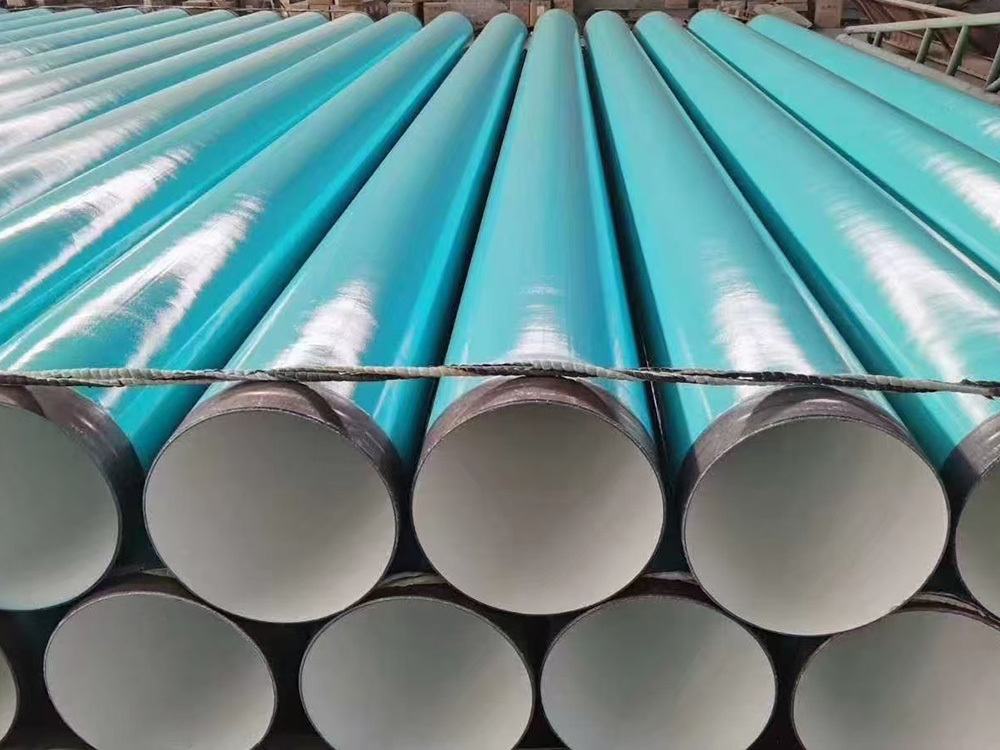
Innovative Technologies in Underground Construction: The Rise of 3PE Coated Pipes
Table of Contents
- 1. Introduction to Underground Construction Technologies
- 2. What is 3PE Coating?
- 3. Advantages of 3PE Coated Pipes
- 4. Applications of 3PE Coated Pipes
- 5. Installation Techniques for 3PE Coated Pipes
- 6. The Future of 3PE Coating Technology
- 7. Conclusion
- 8. Frequently Asked Questions
1. Introduction to Underground Construction Technologies
In the rapidly evolving field of underground construction, the demand for reliable and efficient materials is paramount. As urbanization continues to accelerate, the infrastructure beneath our cities must be robust, sustainable, and innovative. Among the various technological advancements, **3PE coated pipes** have emerged as a leading solution for underground applications. This article delves into the properties, advantages, and applications of **3PE coated pipes**, illustrating their significant role in modern construction.
2. What is 3PE Coating?
**3PE**, or **three-layer polyethylene**, coating consists of three distinct layers that provide superior protection for steel pipes. The layers typically include:
1. **Epoxy Primer Layer**: This layer adheres strongly to the steel surface, ensuring excellent corrosion resistance.
2. **Polyethylene Adhesive Layer**: This layer binds the primer to the outer polyethylene layer, enhancing mechanical strength.
3. **Outer Polyethylene Layer**: The final layer provides a tough, protective barrier against environmental factors, ensuring long-term durability.
This multi-layered approach not only enhances the physical properties of the pipes but also significantly reduces maintenance costs over their lifespan.
3. Advantages of 3PE Coated Pipes
3PE coated pipes offer numerous advantages that distinguish them from traditional pipe materials. Below are some of the most notable benefits.
3.1 Corrosion Resistance
One of the primary benefits of 3PE coated pipes is their outstanding **corrosion resistance**. The epoxy primer forms a robust barrier that protects the steel from moisture and corrosive elements in the soil. This feature is particularly crucial for underground applications where pipes are exposed to various environmental conditions.
3.2 Durability
3PE coated pipes are designed to withstand harsh conditions, making them ideal for underground construction. The polyethylene layers provide toughness against physical impacts and mechanical stress, ensuring that the pipes maintain their integrity over time. This durability translates to a longer lifespan, minimizing the need for frequent replacements.
3.3 Cost Efficiency
Investing in 3PE coated pipes can lead to significant cost savings over time. Their durability and resistance to corrosion reduce the need for maintenance and repair, lowering overall project costs. Furthermore, their longevity contributes to a higher return on investment, making them a smart choice for construction projects.
4. Applications of 3PE Coated Pipes
The versatility of 3PE coated pipes has led to their adoption in various applications within underground construction. Below are some key areas where these pipes excel.
4.1 Water Supply Systems
3PE coated pipes are ideal for **water supply systems**, providing a reliable solution for transporting potable water. Their resistance to corrosion ensures that the water remains uncontaminated, meeting health and safety standards.
4.2 Natural Gas Distribution
In **natural gas distribution**, the integrity of the pipeline is crucial for safety and efficiency. 3PE coated pipes offer the necessary protection against external corrosion, making them a preferred choice for transporting natural gas underground.
4.3 Sewage and Drainage Systems
For **sewage and drainage systems**, 3PE coated pipes provide effective solutions for handling wastewater. Their durability ensures they can withstand the acidic and corrosive nature of sewage, preventing leaks and structural failures.
5. Installation Techniques for 3PE Coated Pipes
Proper installation of 3PE coated pipes is crucial for maximizing their benefits. The following techniques are commonly employed to ensure effective and safe installation:
1. **Site Preparation**: Before installation, the site should be properly prepared and cleared of debris to avoid damage to the pipes.
2. **Trenching**: Trenches should be dug to the required depth, ensuring that pipes are laid at appropriate grades for drainage.
3. **Pipe Handling**: Care should be taken when handling pipes to prevent scratches or damage to the coating.
4. **Joining Methods**: Various joining methods, such as welding or mechanical couplings, can be used, ensuring a secure connection.
5. **Backfilling**: Once installed, the trench should be backfilled carefully to avoid stress on the pipes and maintain structural integrity.
6. The Future of 3PE Coating Technology
As technology continues to advance, the future of 3PE coating looks promising. Innovations in materials science may lead to even more enhanced coatings that offer better performance, sustainability, and environmental protection. Research and development are focusing on improving resistance to extreme temperatures and expanding the range of applications for 3PE coated pipes.
Furthermore, as regulatory standards evolve, the demand for high-performance materials in underground construction is likely to increase, further solidifying the role of 3PE coated pipes in the industry.
7. Conclusion
In summary, **3PE coated pipes** represent a significant advancement in underground construction technologies. With their exceptional corrosion resistance, durability, and cost efficiency, these pipes are becoming increasingly vital for modern infrastructure projects. Their diverse applications, ranging from water supply systems to sewage and natural gas distribution, highlight their versatility and reliability. As the construction industry continues to embrace innovative materials, 3PE coated pipes will undoubtedly play a pivotal role in shaping the future of underground construction.
8. Frequently Asked Questions
1. What is the lifespan of 3PE coated pipes?
The lifespan of 3PE coated pipes can exceed 50 years, depending on environmental conditions and proper installation.
2. Are 3PE coated pipes eco-friendly?
Yes, 3PE coated pipes are considered eco-friendly due to their durability, which reduces the need for frequent replacements and minimizes waste.
3. Can 3PE coated pipes be used in extreme temperatures?
While 3PE coated pipes are designed to withstand a range of temperatures, extreme conditions may require specialized coatings or materials.
4. How do 3PE coated pipes compare to traditional pipes?
3PE coated pipes offer superior corrosion resistance and durability compared to traditional metal pipes, resulting in lower maintenance costs and longer lifespans.
5. What industries benefit from 3PE coated pipes?
Industries such as water supply, natural gas distribution, sewage management, and telecommunications benefit significantly from the use of 3PE coated pipes.
Blog

Understanding Polyurethane Direct Buried Insulation Pipes: A Comprehensive Guide
Polyurethane direct buried insulation pipes are specialized piping systems designed to transport fluids while minimizing heat loss. These pipes are particularly valuable in industries where temperature maintenance is crucial, such as metallurgy and energy. The insulation properties of polyurethane make these pipes ideal for applications that require a high level of thermal efficiency.
One of the p

Contact information
200 metres west of the south side of the intersection of Hope Avenue and Fenqi Road, Xindian Town, Mengcun Hui Zuzizhixian, Cangzhou City, Hebei Province, China


Message feedback
If you are interested in our products, please leave your email and we will contact you as soon as possible. Thank you!