
Understanding 3PE Anti-Corrosion Pipeline for Offshore Applications
2025-02-15
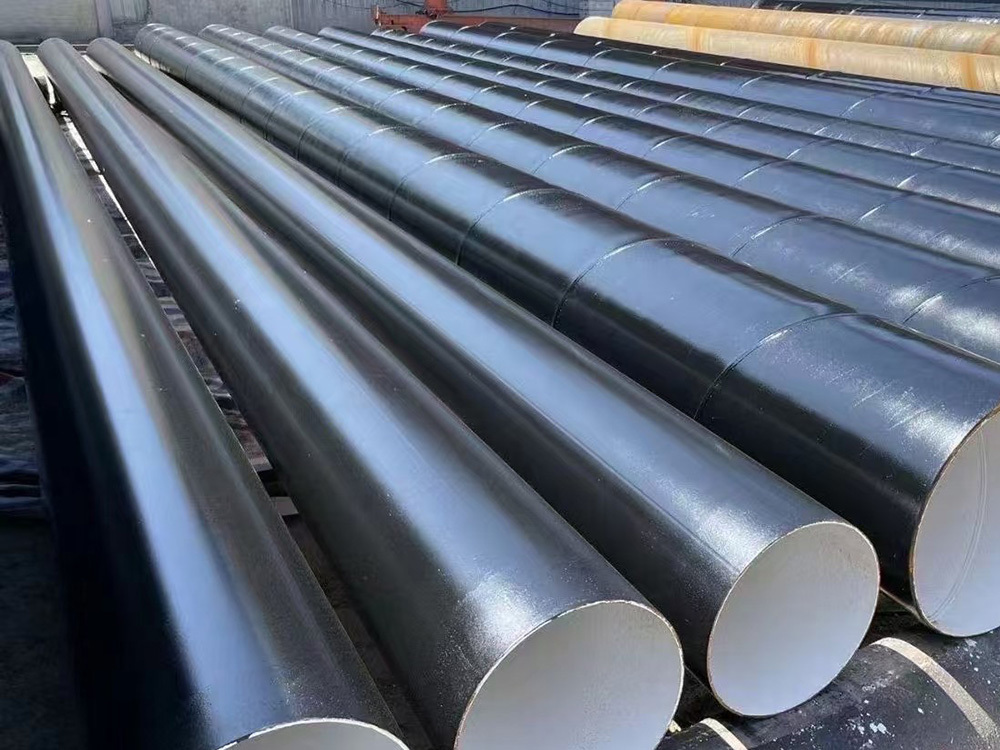
In the offshore oil and gas industry, the integrity of infrastructure is paramount. One of the critical components ensuring this integrity is the use of anti-corrosion pipelines, specifically those coated with a three-layer polyethylene (3PE) system. The 3PE anti-corrosion pipeline is designed to withstand the harsh environments typical of offshore applications, including exposure to seawater, chemicals, and varying temperatures.
The 3PE coating consists of three distinct layers: an epoxy primer, a middle layer of adhesive, and an outer layer of polyethylene. This multi-layer construction offers superior protection against corrosion, significantly extending the lifespan of pipelines. The epoxy primer provides a strong bond to the steel surface, while the adhesive layer enhances adhesion between the primer and the outer polyethylene layer, which acts as a barrier against moisture and corrosive agents.
One of the primary advantages of using 3PE anti-corrosion pipelines is their ability to prevent corrosion-related failures, which can lead to costly downtime and repairs. In an offshore setting, where maintenance can be logistically challenging and expensive, implementing a robust corrosion protection system is essential. The durability and longevity of 3PE systems not only reduce the frequency of maintenance but also improve the overall reliability of the pipeline network.
Additionally, 3PE anti-corrosion pipelines are engineered to resist mechanical stresses such as impact and abrasion, which are common in offshore environments. This resilience is crucial, as pipelines are often subjected to harsh physical conditions, including waves and sediment movement. The enhanced mechanical strength of 3PE systems helps ensure that pipelines remain intact, even in the face of such challenges.
Moreover, the application of 3PE coatings is versatile and can be tailored to meet specific project requirements. Whether dealing with varying diameters or complex pipeline layouts, 3PE systems can be adapted to provide optimal protection. This flexibility is particularly beneficial in offshore projects, where customization is often necessary to address unique geographic and operational conditions.
In conclusion, 3PE anti-corrosion pipelines play a vital role in protecting offshore infrastructure from environmental threats. Their multi-layered design, coupled with their robustness and adaptability, ensures that they provide reliable service in demanding conditions. As industries continue to explore offshore resources, the importance of employing effective anti-corrosion measures like 3PE systems becomes increasingly evident. Emphasizing the need for corrosion prevention is essential for maintaining the safety, efficiency, and longevity of offshore operations.
The 3PE coating consists of three distinct layers: an epoxy primer, a middle layer of adhesive, and an outer layer of polyethylene. This multi-layer construction offers superior protection against corrosion, significantly extending the lifespan of pipelines. The epoxy primer provides a strong bond to the steel surface, while the adhesive layer enhances adhesion between the primer and the outer polyethylene layer, which acts as a barrier against moisture and corrosive agents.
One of the primary advantages of using 3PE anti-corrosion pipelines is their ability to prevent corrosion-related failures, which can lead to costly downtime and repairs. In an offshore setting, where maintenance can be logistically challenging and expensive, implementing a robust corrosion protection system is essential. The durability and longevity of 3PE systems not only reduce the frequency of maintenance but also improve the overall reliability of the pipeline network.
Additionally, 3PE anti-corrosion pipelines are engineered to resist mechanical stresses such as impact and abrasion, which are common in offshore environments. This resilience is crucial, as pipelines are often subjected to harsh physical conditions, including waves and sediment movement. The enhanced mechanical strength of 3PE systems helps ensure that pipelines remain intact, even in the face of such challenges.
Moreover, the application of 3PE coatings is versatile and can be tailored to meet specific project requirements. Whether dealing with varying diameters or complex pipeline layouts, 3PE systems can be adapted to provide optimal protection. This flexibility is particularly beneficial in offshore projects, where customization is often necessary to address unique geographic and operational conditions.
In conclusion, 3PE anti-corrosion pipelines play a vital role in protecting offshore infrastructure from environmental threats. Their multi-layered design, coupled with their robustness and adaptability, ensures that they provide reliable service in demanding conditions. As industries continue to explore offshore resources, the importance of employing effective anti-corrosion measures like 3PE systems becomes increasingly evident. Emphasizing the need for corrosion prevention is essential for maintaining the safety, efficiency, and longevity of offshore operations.
Blog

Understanding Polyurethane Direct Buried Insulation Pipes: A Comprehensive Guide
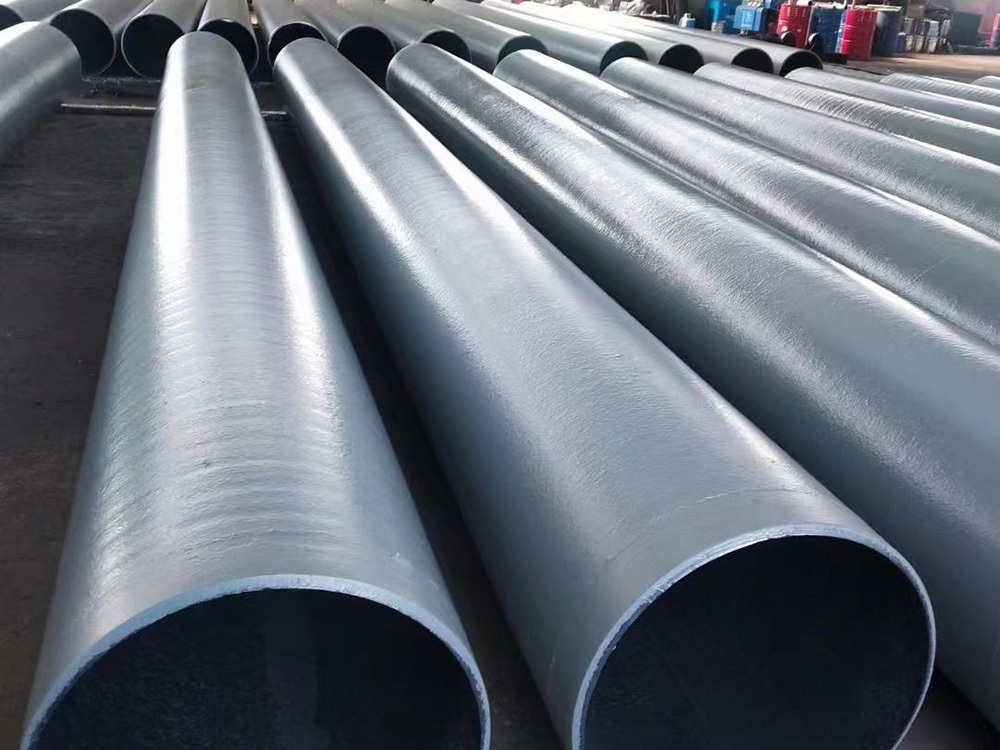
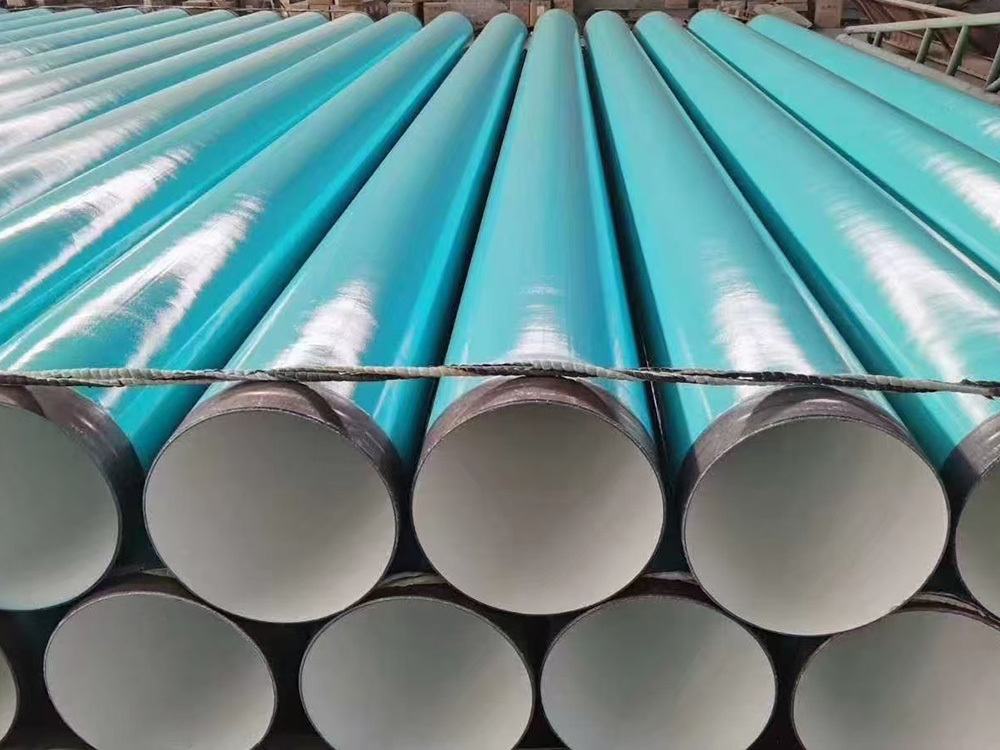
Polyurethane direct buried insulation pipes are specialized piping systems designed to transport fluids while minimizing heat loss. These pipes are particularly valuable in industries where temperature maintenance is crucial, such as metallurgy and energy. The insulation properties of polyurethane make these pipes ideal for applications that require a high level of thermal efficiency.
One of the p

Contact information
200 metres west of the south side of the intersection of Hope Avenue and Fenqi Road, Xindian Town, Mengcun Hui Zuzizhixian, Cangzhou City, Hebei Province, China


Message feedback
If you are interested in our products, please leave your email and we will contact you as soon as possible. Thank you!