
How to Choose the Right 3PE Anti-Corrosion Steel Pipe for Your Project
2025-02-16
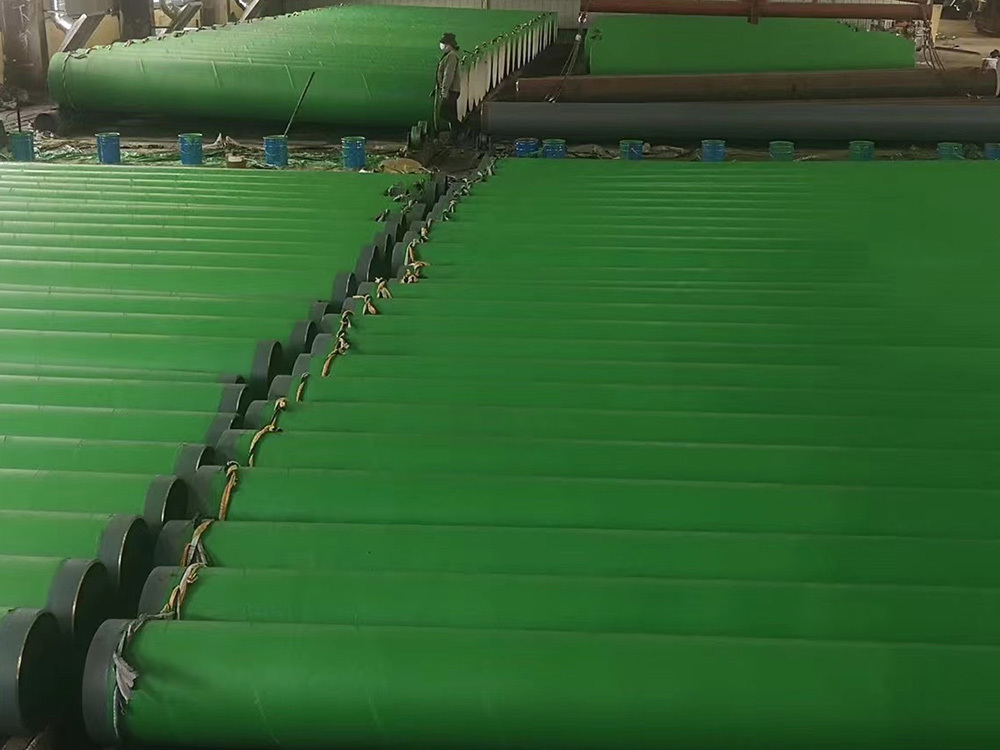
How to Choose the Right 3PE Anti-Corrosion Steel Pipe for Your Project
Table of Contents
- 1. Introduction to 3PE Anti-Corrosion Steel Pipes
- 2. Benefits of Using 3PE Anti-Corrosion Steel Pipes
- 3. Key Features of 3PE Coating
- 4. Factors to Consider When Choosing 3PE Steel Pipes
- 4.1. Pipe Size and Diameter
- 4.2. Pipe Thickness and Pressure Ratings
- 4.3. Material Composition
- 4.4. Environmental Conditions
- 4.5. Installation Requirements
- 5. Comparison with Other Anti-Corrosion Solutions
- 6. Installation and Maintenance Tips
- 7. Common Mistakes to Avoid
- 8. Frequently Asked Questions (FAQs)
- 9. Conclusion
1. Introduction to 3PE Anti-Corrosion Steel Pipes
3PE anti-corrosion steel pipes are increasingly used in various construction projects due to their exceptional durability and longevity. The "3PE" stands for three layers of protection: epoxy powder, adhesive, and polyethylene. This combination provides superior resistance against corrosion, making it an ideal choice for pipelines in harsh environments.
2. Benefits of Using 3PE Anti-Corrosion Steel Pipes
Using 3PE anti-corrosion steel pipes brings numerous advantages to your construction project:
- **Enhanced Durability**: The three-layer coating effectively prevents rust and corrosion, significantly extending the lifespan of the pipes.
- **Cost-Effectiveness**: While the initial investment may be higher than traditional pipes, the reduced maintenance and replacement costs save money in the long run.
- **Versatility**: 3PE pipes are suitable for various applications, including water, oil, gas, and chemical transportation.
- **Environmental Resistance**: These pipes can withstand harsh weather conditions, UV radiation, and chemical exposure.
3. Key Features of 3PE Coating
Understanding the features of 3PE coatings is crucial for selecting the right pipe. Some of the key features include:
- **Adhesive Bonding**: The adhesive layer ensures a strong bond between the epoxy and polyethylene, preventing peeling.
- **Thickness Consistency**: Uniform coating thickness across the pipe enhances protective capabilities.
- **Flexibility**: The polyethylene layer provides flexibility, allowing the pipe to withstand pressure changes without cracking.
4. Factors to Consider When Choosing 3PE Steel Pipes
Selecting the right 3PE anti-corrosion steel pipe involves several important considerations:
4.1. Pipe Size and Diameter
Choosing the correct size and diameter is fundamental to ensuring optimal flow and pressure. Assess the specific requirements of your project to determine the appropriate dimensions.
4.2. Pipe Thickness and Pressure Ratings
The thickness of the pipe affects its pressure handling capabilities. It's essential to select pipes with adequate wall thickness to withstand the intended pressure levels.
4.3. Material Composition
The composition of the steel affects its corrosion resistance and overall strength. Look for pipes made from high-quality carbon steel with appropriate alloying elements.
4.4. Environmental Conditions
Assess the environmental factors the pipes will encounter, such as soil acidity, moisture levels, and temperature fluctuations. This evaluation influences the selection of pipe specifications.
4.5. Installation Requirements
Consider the installation process, including access to the site and the required equipment. Pipes that are easier to install may reduce labor costs and project timelines.
5. Comparison with Other Anti-Corrosion Solutions
3PE coatings are not the only option for corrosion protection; however, they often outperform alternative solutions like galvanization or single-layer coatings:
- **Galvanization**: While effective, galvanization can wear down over time, exposing the steel underneath.
- **Single-layer coatings**: These may offer basic protection but lack the comprehensive defense provided by the three-layer system.
The multi-layer approach of 3PE significantly enhances its performance and durability.
6. Installation and Maintenance Tips
Proper installation and maintenance are vital for the longevity of 3PE anti-corrosion steel pipes:
- **Pre-Installation Checks**: Inspect the pipes for any damage or defects before installation.
- **Use Proper Equipment**: Ensure that the installation equipment is suitable for the pipe size and weight.
- **Regular Inspections**: Conduct periodic checks on the pipes to identify any signs of wear or damage.
- **Proper Handling**: Avoid dropping or dragging the pipes during transportation to prevent coating damage.
7. Common Mistakes to Avoid
When choosing and installing 3PE anti-corrosion steel pipes, be mindful of these common pitfalls:
- **Neglecting Environmental Factors**: Failing to assess environmental conditions can lead to premature corrosion.
- **Inadequate Research on Suppliers**: Selecting a reputable supplier is crucial. Research their quality control processes and customer feedback.
- **Ignoring Installation Guidelines**: Following proper installation procedures ensures the effectiveness of the anti-corrosion measures.
8. Frequently Asked Questions (FAQs)
1. What is the lifespan of 3PE anti-corrosion steel pipes?
Typically, these pipes can last over 50 years with proper installation and maintenance.
2. Are 3PE coated pipes suitable for high-pressure applications?
Yes, as long as the thickness and diameter are appropriately selected for the specific pressure requirements.
3. Can 3PE pipes be reused or recycled?
Yes, 3PE coated pipes can be recycled, making them an environmentally friendly option.
4. How do 3PE pipes perform in extreme temperatures?
They are designed to withstand a wide range of temperatures, although specifications should be chosen based on project conditions.
5. What are the signs that a 3PE pipe needs maintenance?
Look for discoloration, flaking of the coating, or visible corrosion signs. Regular inspections can help identify these issues early.
9. Conclusion
Choosing the right 3PE anti-corrosion steel pipe for your project is critical for ensuring durability and efficiency in your infrastructure. By understanding the unique benefits and features of these pipes, as well as considering the specific factors relevant to your project, you can make an informed decision that will enhance the longevity and performance of your construction efforts. Remember to stay vigilant during both installation and maintenance to maximize the effectiveness of your chosen solution.
Blog

Understanding Polyurethane Direct Buried Insulation Pipes: A Comprehensive Guide
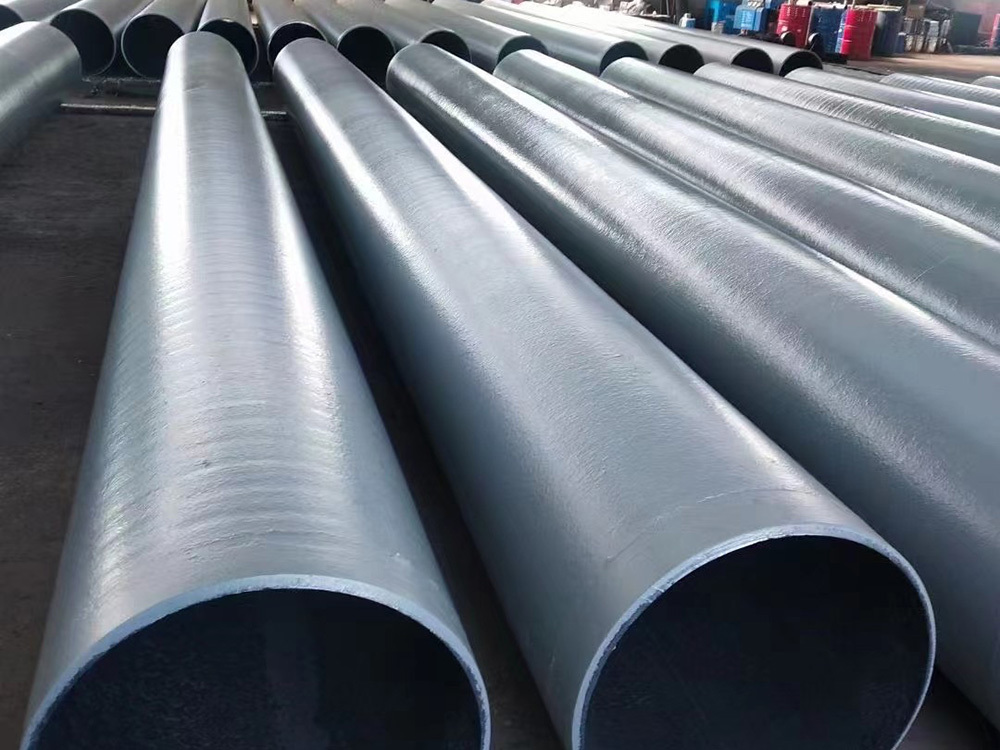
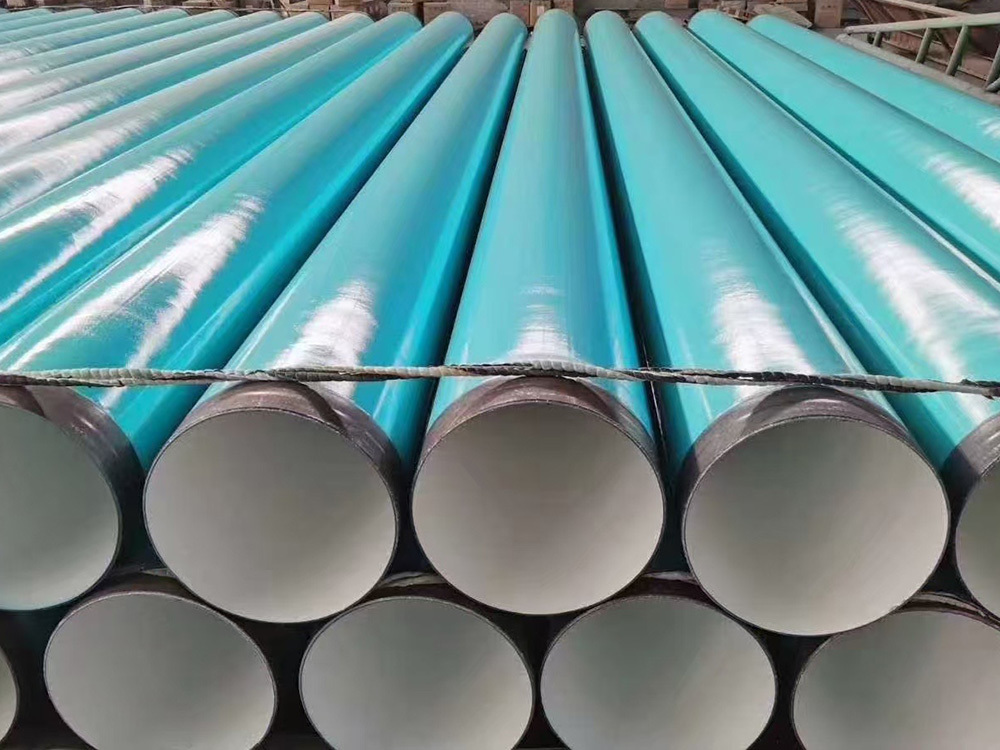
Polyurethane direct buried insulation pipes are specialized piping systems designed to transport fluids while minimizing heat loss. These pipes are particularly valuable in industries where temperature maintenance is crucial, such as metallurgy and energy. The insulation properties of polyurethane make these pipes ideal for applications that require a high level of thermal efficiency.
One of the p

Contact information
200 metres west of the south side of the intersection of Hope Avenue and Fenqi Road, Xindian Town, Mengcun Hui Zuzizhixian, Cangzhou City, Hebei Province, China


Message feedback
If you are interested in our products, please leave your email and we will contact you as soon as possible. Thank you!