
Understanding Polyurethane Direct Buried Insulation Pipes: Key Benefits and Applications
2025-02-17
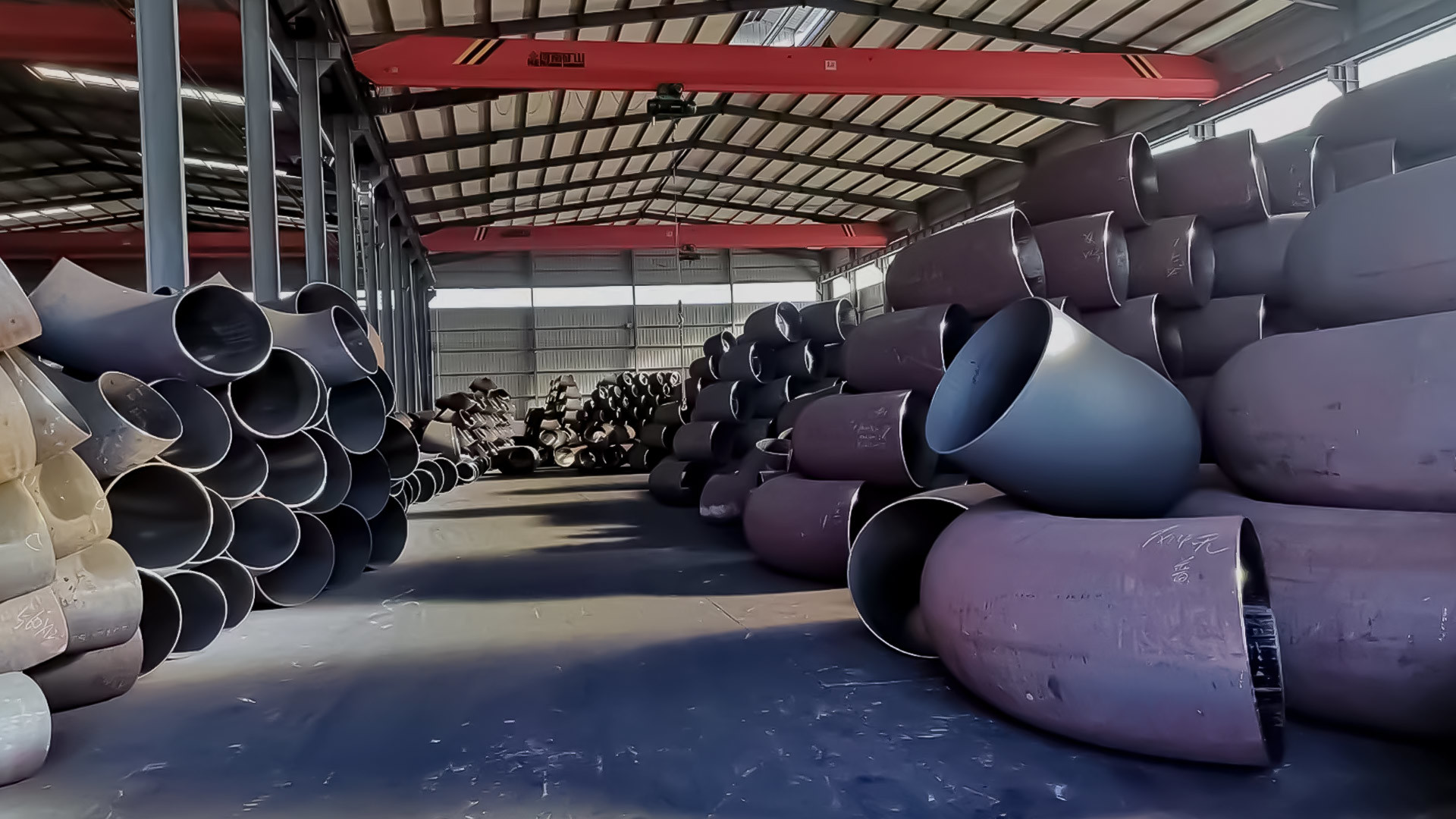
Polyurethane direct buried insulation pipes are an innovative solution primarily used in the transportation of fluids in various sectors, including metallurgy, mining, and energy. These pipes are engineered for direct burial, meaning they can be laid underground without the need for additional protective casings. This feature offers a host of benefits that are particularly advantageous in harsh environmental conditions.
One of the key advantages of polyurethane insulation is its exceptional thermal insulation properties. This capability ensures that the fluids transported within the pipes maintain their temperature, minimizing heat loss during transit. This is particularly critical in energy applications, where maintaining temperature can significantly affect efficiency and performance.
Additionally, the flexibility and lightweight nature of polyurethane direct buried insulation pipes make them easier to handle and install compared to traditional piping materials. This can lead to reduced labor costs and shorter installation times, which are essential factors in project management and budget considerations. The ease of installation also allows for more complex layouts without the need for extensive modifications.
Durability is another important aspect of these pipes. They are designed to withstand harsh conditions, including soil movement, temperature fluctuations, and even chemical exposure. This resilience means that polyurethane direct buried insulation pipes can provide a long-lasting solution, reducing the need for frequent repairs or replacements. This aspect is especially significant in industries where downtime can lead to substantial financial losses.
Moreover, polyurethane insulation is environmentally friendly. The materials used in manufacturing these pipes are often recyclable, contributing to sustainable practices within the industry. By choosing polyurethane direct buried insulation pipes, companies can align their operations with green initiatives.
It’s also important to note that these pipes can be used in various applications, including district heating systems, industrial processing, and natural gas transportation. Their versatility makes them a preferred choice for many engineers and project managers looking for reliable piping solutions.
In conclusion, polyurethane direct buried insulation pipes offer several advantages, including superior thermal insulation, durability, and ease of installation. Their compatibility with various applications makes them an essential component in the metallurgy, mining, and energy sectors. As industries continue to seek efficient and sustainable solutions, these innovative pipes are poised to play a significant role in the future of fluid transport systems.
Blog

Understanding Polyurethane Direct Buried Insulation Pipes: A Comprehensive Guide
Polyurethane direct buried insulation pipes are specialized piping systems designed to transport fluids while minimizing heat loss. These pipes are particularly valuable in industries where temperature maintenance is crucial, such as metallurgy and energy. The insulation properties of polyurethane make these pipes ideal for applications that require a high level of thermal efficiency.
One of the p

Contact information
200 metres west of the south side of the intersection of Hope Avenue and Fenqi Road, Xindian Town, Mengcun Hui Zuzizhixian, Cangzhou City, Hebei Province, China


Message feedback
If you are interested in our products, please leave your email and we will contact you as soon as possible. Thank you!