
Understanding ANSI B16.9 Stainless Steel Pipe Cap Standards and Regulations: Your Comprehensive Guide
2025-02-20
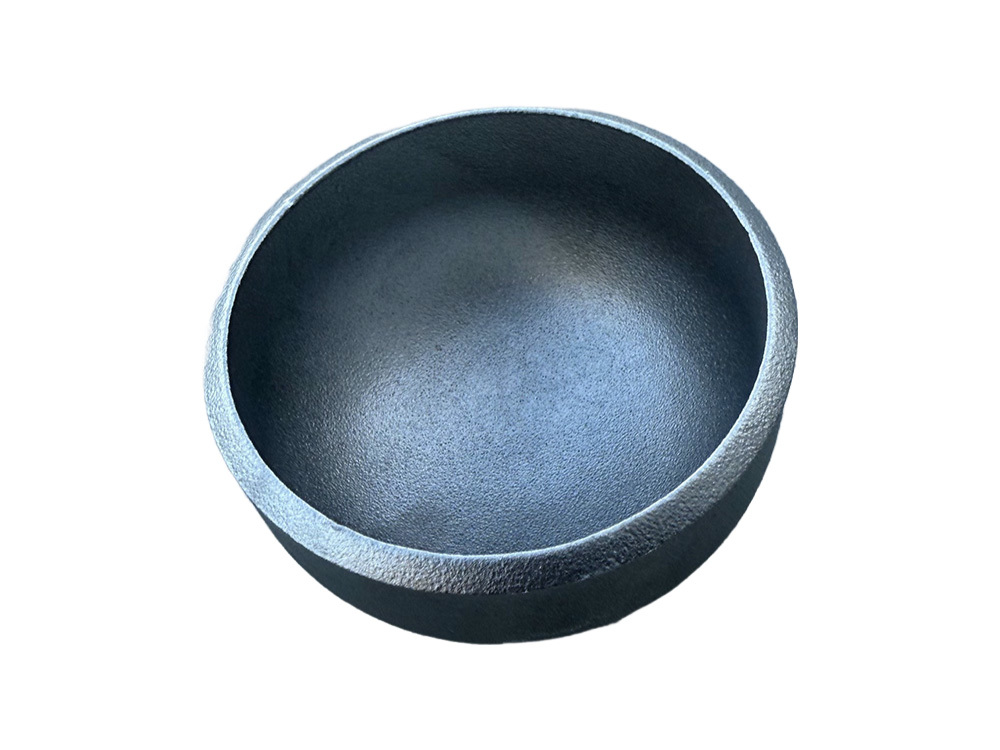
Understanding ANSI B16.9 Stainless Steel Pipe Cap Standards and Regulations
Table of Contents
- 1. Introduction to ANSI B16.9 Standards
- 2. What are Stainless Steel Pipe Caps?
- 3. Importance of ANSI B16.9 Standards in Industry
- 4. Design and Specifications of ANSI B16.9 Stainless Steel Pipe Caps
- 5. Compliance and Testing Procedures
- 6. Common Applications of Stainless Steel Pipe Caps
- 7. Advantages of Using Stainless Steel Pipe Caps
- 8. Conclusion
- 9. Frequently Asked Questions (FAQs)
1. Introduction to ANSI B16.9 Standards
The **ANSI B16.9** standard is crucial for professionals in the construction and decorative materials industry, particularly when dealing with **stainless steel pipe caps**. This standard provides guidelines for the dimensions, material specifications, and tolerances necessary for safe and effective use in various applications. Understanding these standards is essential for ensuring the reliability and durability of piping systems across multiple sectors.
2. What are Stainless Steel Pipe Caps?
Stainless steel pipe caps serve as essential components in piping systems, designed to close the ends of pipes. These caps are integral for maintaining pressure, preventing contamination, and ensuring the efficient flow of fluids within the piping network. They are manufactured in various sizes and thicknesses according to the ANSI B16.9 specifications, providing a seamless fit for different pipe diameters.
2.1 Composition of Stainless Steel Pipe Caps
The primary materials used in the production of stainless steel pipe caps include **304** and **316** grades of stainless steel. These materials are chosen for their **corrosion resistance**, high-temperature tolerance, and overall strength, making them ideal for industrial applications.
3. Importance of ANSI B16.9 Standards in Industry
Adherence to ANSI B16.9 standards is vital for several reasons:
3.1 Safety and Reliability
Compliance with these standards ensures that pipe caps can withstand the pressures and temperatures they may encounter, significantly reducing the risk of failure and ensuring safety in operational environments.
3.2 Regulatory Compliance
Many industries are subject to strict regulations regarding materials and construction. Understanding the ANSI B16.9 standards helps companies maintain compliance with local, national, and international regulations.
3.3 Quality Assurance
Using ANSI B16.9 compliant pipe caps guarantees the quality of materials and manufacturing processes, fostering trust among customers and stakeholders.
4. Design and Specifications of ANSI B16.9 Stainless Steel Pipe Caps
The design of stainless steel pipe caps under the ANSI B16.9 standard includes several critical specifications:
4.1 Dimensions
The ANSI B16.9 standard outlines specific dimensions for pipe caps, including diameter, wall thickness, and length. These specifications ensure that the caps fit securely over the pipes, preventing leaks or other failures.
4.2 Tolerances
Tolerances are critical in the manufacturing process to ensure that the pipe caps meet the required specifications. ANSI B16.9 provides detailed guidelines on tolerances for dimensions and manufacturing processes.
4.3 Marking Requirements
Each pipe cap must be marked appropriately to indicate material, size, and manufacturer details. This information is vital for identification and compliance verification.
5. Compliance and Testing Procedures
To ensure compliance with ANSI B16.9 standards, various testing procedures must be performed:
5.1 Pressure Testing
Pressure tests are conducted to validate that the pipe caps can withstand operational pressures without failure. This testing is essential before installation in critical applications.
5.2 Material Testing
Material samples are often taken to assess quality through tests such as tensile strength, corrosion resistance, and other mechanical properties.
5.3 Visual Inspection
A thorough visual inspection ensures that there are no defects or inconsistencies in the fabricated pipe caps, validating that they meet ANSI B16.9 standards.
6. Common Applications of Stainless Steel Pipe Caps
Stainless steel pipe caps are utilized in numerous applications, including:
6.1 Oil and Gas Industry
In the oil and gas sector, durability and resistance to corrosion are paramount, making stainless steel pipe caps an excellent choice for closing pipe ends and preventing leaks.
6.2 Water Treatment Facilities
Water treatment plants rely on reliable piping systems. Stainless steel pipe caps help in maintaining system integrity and preventing contamination.
6.3 Chemical Processing
The chemical industry often uses harsh substances that require sturdy pipeline systems. Stainless steel pipe caps provide the necessary resistance to chemical exposure.
7. Advantages of Using Stainless Steel Pipe Caps
The benefits of utilizing stainless steel pipe caps are numerous:
7.1 Corrosion Resistance
Stainless steel is known for its excellent corrosion resistance, making it suitable for use in various environments, including those with high humidity or exposure to chemicals.
7.2 Strength and Durability
These pipe caps offer high tensile strength and durability, ensuring they can withstand substantial pressures and temperatures.
7.3 Long Lifespan
Investing in stainless steel pipe caps means choosing longevity. Their resistance to wear and tear translates to reduced maintenance and replacement costs over time.
8. Conclusion
Understanding ANSI B16.9 stainless steel pipe cap standards and regulations is crucial for professionals in the construction and decorative materials industry. By adhering to these specifications, businesses can ensure the safety, reliability, and efficiency of their piping systems. As you navigate through the complexities of piping components, remember that quality matters and compliance with industry standards not only protects your investments but also enhances overall operational performance.
9. Frequently Asked Questions (FAQs)
Q1: What is the difference between ANSI B16.9 and other ANSI standards?
A1: ANSI B16.9 specifically pertains to the dimensions and manufacturing of fittings and caps used in piping systems, while other ANSI standards may cover different aspects of materials, testing, or applications.
Q2: How can I verify the compliance of a stainless steel pipe cap with ANSI B16.9?
A2: Compliance can be verified through proper documentation from the manufacturer, including test reports and certifications that indicate adherence to ANSI B16.9 standards.
Q3: Are there alternatives to stainless steel pipe caps?
A3: Yes, alternatives include caps made from carbon steel or plastic, but these materials may not offer the same level of corrosion resistance or strength as stainless steel.
Q4: What factors should be considered when selecting a stainless steel pipe cap?
A4: Consider the pipe diameter, application environment, pressure requirements, and material specifications when selecting the appropriate pipe cap.
Q5: Can ANSI B16.9 standards change over time?
A5: Yes, ANSI standards may be updated as new materials and technologies emerge, so it is essential to stay informed about any changes relevant to your industry.
Blog

Understanding Polyurethane Direct Buried Insulation Pipes: A Comprehensive Guide
Polyurethane direct buried insulation pipes are specialized piping systems designed to transport fluids while minimizing heat loss. These pipes are particularly valuable in industries where temperature maintenance is crucial, such as metallurgy and energy. The insulation properties of polyurethane make these pipes ideal for applications that require a high level of thermal efficiency.
One of the p

Contact information
200 metres west of the south side of the intersection of Hope Avenue and Fenqi Road, Xindian Town, Mengcun Hui Zuzizhixian, Cangzhou City, Hebei Province, China


Message feedback
If you are interested in our products, please leave your email and we will contact you as soon as possible. Thank you!