
Understanding the Benefits and Applications of 316L Stainless Steel Weld Neck Flanges
2025-02-21
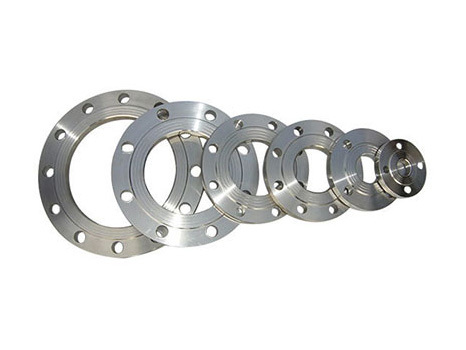
When it comes to piping systems in construction and industrial applications, the choice of materials is crucial. One such material that stands out for its properties is 316L stainless steel, particularly in the form of weld neck flanges. These flanges are essential components used to connect pipes, valves, and other equipment, ensuring a secure and leak-proof joint.
316L stainless steel is a molybdenum-alloyed steel that enhances the material's corrosion resistance, making it ideal for harsh environments. This alloy is particularly advantageous in applications involving chemicals, salt water, and other corrosive substances. The "L" in 316L signifies a lower carbon content, which minimizes the risk of carbide precipitation during welding. This feature is crucial for maintaining the corrosion resistance of the welded joints, further extending the lifespan of the piping system.
Weld neck flanges are designed with a long tapered hub that provides a smooth transition between the flange and the pipe. This design helps reduce stress concentration at the joint, enhancing the overall strength of the connection. The weld neck also allows for easy alignment during installation, making it a preferred choice for critical applications where reliability is paramount.
One of the key benefits of 316L stainless steel weld neck flanges is their versatility. They are used in various industries, including chemical processing, oil and gas, pharmaceuticals, and food production. In these applications, the ability to withstand high temperatures and pressures while resisting corrosion is vital. Moreover, the aesthetic appeal of stainless steel makes these flanges suitable for decorative purposes in architectural applications.
When selecting a flange, it's essential to consider factors such as pressure ratings, size, and compatibility with the piping system. 316L stainless steel weld neck flanges are available in various sizes and specifications to meet the needs of different projects. Proper installation is equally important; therefore, it is advisable to engage experienced professionals who can ensure that the flange is welded correctly and securely.
In conclusion, 316L stainless steel weld neck flanges play a critical role in the construction and decorative materials industry. Their superior corrosion resistance, strength, and versatility make them an excellent choice for a wide range of applications. By understanding the benefits and proper usage of these flanges, professionals can ensure the integrity and longevity of their piping systems. As industries continue to rely on high-quality materials, the importance of components like 316L stainless steel weld neck flanges cannot be overstated.
316L stainless steel is a molybdenum-alloyed steel that enhances the material's corrosion resistance, making it ideal for harsh environments. This alloy is particularly advantageous in applications involving chemicals, salt water, and other corrosive substances. The "L" in 316L signifies a lower carbon content, which minimizes the risk of carbide precipitation during welding. This feature is crucial for maintaining the corrosion resistance of the welded joints, further extending the lifespan of the piping system.
Weld neck flanges are designed with a long tapered hub that provides a smooth transition between the flange and the pipe. This design helps reduce stress concentration at the joint, enhancing the overall strength of the connection. The weld neck also allows for easy alignment during installation, making it a preferred choice for critical applications where reliability is paramount.
One of the key benefits of 316L stainless steel weld neck flanges is their versatility. They are used in various industries, including chemical processing, oil and gas, pharmaceuticals, and food production. In these applications, the ability to withstand high temperatures and pressures while resisting corrosion is vital. Moreover, the aesthetic appeal of stainless steel makes these flanges suitable for decorative purposes in architectural applications.
When selecting a flange, it's essential to consider factors such as pressure ratings, size, and compatibility with the piping system. 316L stainless steel weld neck flanges are available in various sizes and specifications to meet the needs of different projects. Proper installation is equally important; therefore, it is advisable to engage experienced professionals who can ensure that the flange is welded correctly and securely.
In conclusion, 316L stainless steel weld neck flanges play a critical role in the construction and decorative materials industry. Their superior corrosion resistance, strength, and versatility make them an excellent choice for a wide range of applications. By understanding the benefits and proper usage of these flanges, professionals can ensure the integrity and longevity of their piping systems. As industries continue to rely on high-quality materials, the importance of components like 316L stainless steel weld neck flanges cannot be overstated.
Blog

Understanding Polyurethane Direct Buried Insulation Pipes: A Comprehensive Guide
Polyurethane direct buried insulation pipes are specialized piping systems designed to transport fluids while minimizing heat loss. These pipes are particularly valuable in industries where temperature maintenance is crucial, such as metallurgy and energy. The insulation properties of polyurethane make these pipes ideal for applications that require a high level of thermal efficiency.
One of the p

Contact information
200 metres west of the south side of the intersection of Hope Avenue and Fenqi Road, Xindian Town, Mengcun Hui Zuzizhixian, Cangzhou City, Hebei Province, China


Message feedback
If you are interested in our products, please leave your email and we will contact you as soon as possible. Thank you!