
The Advantages and Applications of Polyurethane Direct Buried Insulation Pipes
2025-02-27
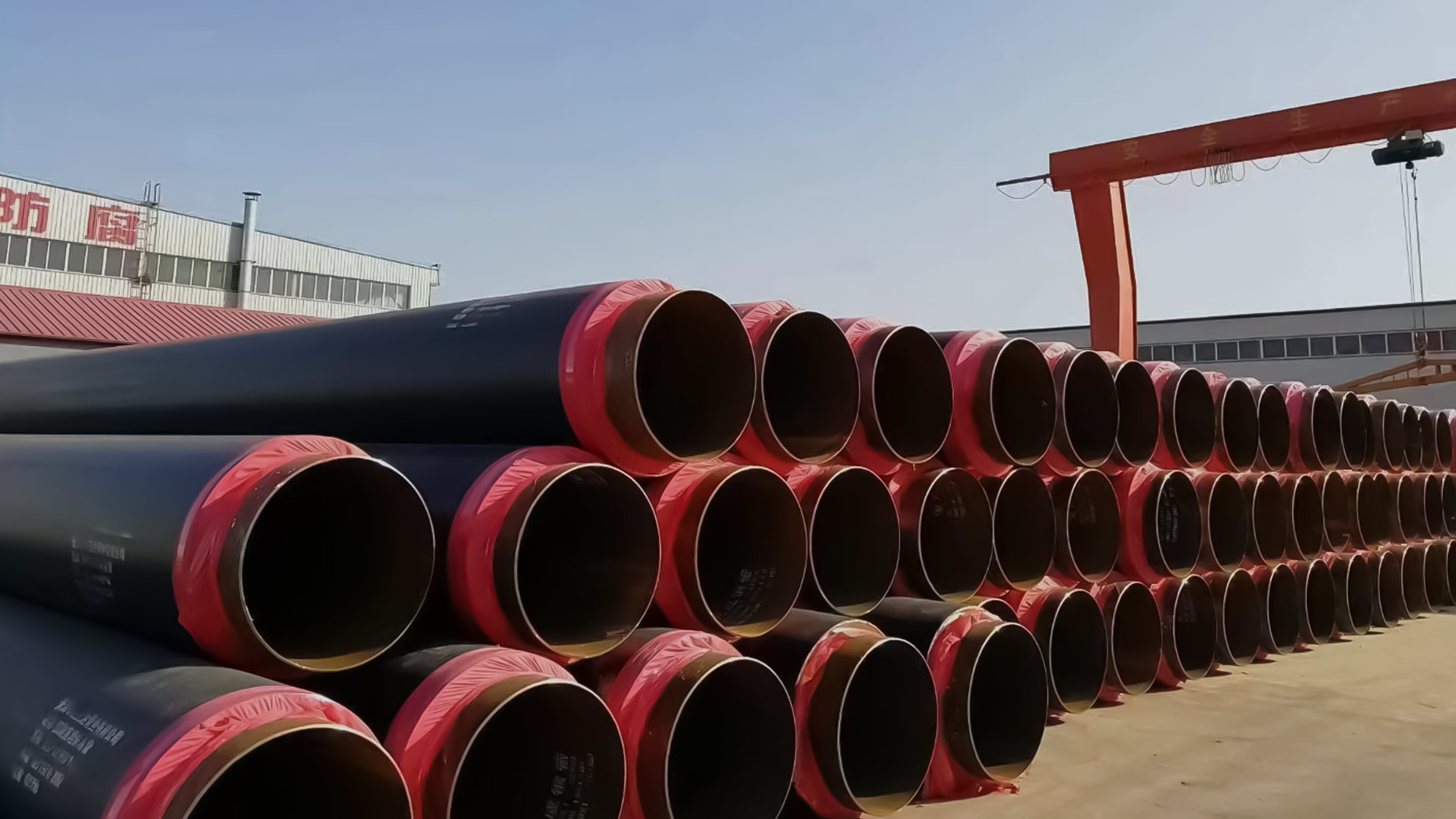
Polyurethane direct buried insulation pipes are an advanced solution designed for thermal insulation in various industrial applications, particularly in the metallurgy, mineral, and energy sectors. These pipes are engineered to provide effective thermal management, which is crucial for maintaining the efficiency of energy transfer systems and reducing energy losses.
One of the primary advantages of polyurethane insulation pipes is their excellent thermal performance. Polyurethane has a low thermal conductivity, meaning it can significantly reduce heat loss in piping systems, which is vital for processes that require precise temperature control. By maintaining optimal temperatures, businesses can enhance the efficiency of their operations and reduce overall energy consumption.
Another key benefit is the durability of polyurethane insulation. These pipes are resistant to moisture, chemicals, and environmental factors, making them ideal for direct burial applications. Unlike traditional insulation materials, polyurethane can withstand harsh conditions without degrading, leading to lower maintenance costs and longer service life. This durability makes them especially suitable for underground installations, where exposure to moisture and soil pressure can pose challenges for other types of insulation.
In addition to their thermal efficiency and longevity, polyurethane direct buried insulation pipes are lightweight and easy to handle. This characteristic not only simplifies installation processes but also reduces labor costs associated with transportation and handling. The flexibility of these pipes allows for easier installation in various terrains and conditions, making them a preferred choice for many construction and energy projects.
Moreover, polyurethane insulation provides excellent sound attenuation properties. This feature is particularly beneficial in urban areas or locations where noise reduction is a priority. By minimizing noise transmission, these pipes can enhance the comfort of nearby communities while ensuring compliance with environmental regulations.
The applications of polyurethane direct buried insulation pipes are diverse. They are widely used in district heating and cooling systems, where maintaining temperature is essential for efficient energy distribution. Additionally, they are employed in industrial heating processes, allowing for better temperature control during the transportation of hot fluids. Their versatility also extends to renewable energy applications, such as geothermal systems, where insulation plays a critical role in energy efficiency.
In conclusion, polyurethane direct buried insulation pipes offer multiple benefits that cater to the needs of industries focused on energy efficiency and system reliability. By leveraging their thermal performance, durability, and ease of installation, professionals in the metallurgy, mineral, and energy sectors can optimize their operations while fostering sustainable practices. Understanding the advantages of these pipes can lead to well-informed decisions that benefit both businesses and the environment.
One of the primary advantages of polyurethane insulation pipes is their excellent thermal performance. Polyurethane has a low thermal conductivity, meaning it can significantly reduce heat loss in piping systems, which is vital for processes that require precise temperature control. By maintaining optimal temperatures, businesses can enhance the efficiency of their operations and reduce overall energy consumption.
Another key benefit is the durability of polyurethane insulation. These pipes are resistant to moisture, chemicals, and environmental factors, making them ideal for direct burial applications. Unlike traditional insulation materials, polyurethane can withstand harsh conditions without degrading, leading to lower maintenance costs and longer service life. This durability makes them especially suitable for underground installations, where exposure to moisture and soil pressure can pose challenges for other types of insulation.
In addition to their thermal efficiency and longevity, polyurethane direct buried insulation pipes are lightweight and easy to handle. This characteristic not only simplifies installation processes but also reduces labor costs associated with transportation and handling. The flexibility of these pipes allows for easier installation in various terrains and conditions, making them a preferred choice for many construction and energy projects.
Moreover, polyurethane insulation provides excellent sound attenuation properties. This feature is particularly beneficial in urban areas or locations where noise reduction is a priority. By minimizing noise transmission, these pipes can enhance the comfort of nearby communities while ensuring compliance with environmental regulations.
The applications of polyurethane direct buried insulation pipes are diverse. They are widely used in district heating and cooling systems, where maintaining temperature is essential for efficient energy distribution. Additionally, they are employed in industrial heating processes, allowing for better temperature control during the transportation of hot fluids. Their versatility also extends to renewable energy applications, such as geothermal systems, where insulation plays a critical role in energy efficiency.
In conclusion, polyurethane direct buried insulation pipes offer multiple benefits that cater to the needs of industries focused on energy efficiency and system reliability. By leveraging their thermal performance, durability, and ease of installation, professionals in the metallurgy, mineral, and energy sectors can optimize their operations while fostering sustainable practices. Understanding the advantages of these pipes can lead to well-informed decisions that benefit both businesses and the environment.
Blog

Understanding Polyurethane Direct Buried Insulation Pipes: A Comprehensive Guide
Polyurethane direct buried insulation pipes are specialized piping systems designed to transport fluids while minimizing heat loss. These pipes are particularly valuable in industries where temperature maintenance is crucial, such as metallurgy and energy. The insulation properties of polyurethane make these pipes ideal for applications that require a high level of thermal efficiency.
One of the p

Contact information
200 metres west of the south side of the intersection of Hope Avenue and Fenqi Road, Xindian Town, Mengcun Hui Zuzizhixian, Cangzhou City, Hebei Province, China


Message feedback
If you are interested in our products, please leave your email and we will contact you as soon as possible. Thank you!