
Understanding the Significance of 316L Stainless Steel Long Radius Elbows in Construction
2025-03-01
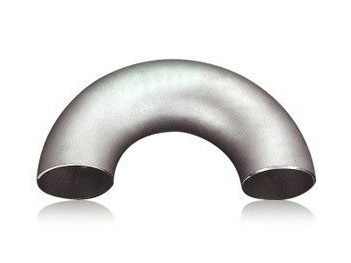
In the realm of building and decorative materials, the choice of piping components significantly impacts system efficiency and longevity. Among these components, the 316L stainless steel long radius elbow stands out for its unique combination of strength, corrosion resistance, and versatility. Understanding its properties and applications can help industry professionals make informed decisions for their projects.
316L stainless steel is an alloy known for its excellent resistance to pitting and crevice corrosion, especially in chloride environments. The "L" in 316L refers to its low carbon content, which enhances its resistance to sensitization during welding. This is particularly important in construction and decorative projects where weld integrity is critical. The long radius elbow design allows for a smoother transition in piping systems, facilitating the flow of liquids and gases while minimizing turbulence and pressure drop.
One of the key advantages of using 316L stainless steel long radius elbows is their ability to withstand harsh environments. They are ideally suited for applications in chemical processing, food and beverage manufacturing, marine environments, and wastewater treatment. The durability of 316L stainless steel ensures that these elbows maintain their structural integrity over time, reducing the need for frequent replacements and maintenance. This not only saves costs in the long run but also enhances the overall safety and reliability of the piping system.
Moreover, the long radius design is particularly beneficial in applications where space and efficiency are paramount. Traditional short radius elbows can create significant turbulence, leading to a drop in pressure and flow efficiency. In contrast, long radius elbows allow for a gradual bend, which results in lower friction losses and improved flow rates. This characteristic is essential in complex piping networks where maintaining optimal flow characteristics is crucial.
Installation of 316L stainless steel long radius elbows is straightforward, thanks to their standardized dimensions. Professionals in the construction and decorative materials industry appreciate the ease of integration with various piping systems, whether they are used in residential, commercial, or industrial applications. Their compatibility with other fittings and materials makes them a versatile choice for engineers and contractors.
In conclusion, 316L stainless steel long radius elbows are an indispensable component in modern piping systems, offering a blend of durability, efficiency, and ease of use. Their resistance to corrosion and ability to maintain optimal flow characteristics make them a preferred choice in various applications. As industry professionals continue to seek reliable materials for construction and decoration, understanding the benefits of these elbows can lead to improved design and performance in piping systems.
316L stainless steel is an alloy known for its excellent resistance to pitting and crevice corrosion, especially in chloride environments. The "L" in 316L refers to its low carbon content, which enhances its resistance to sensitization during welding. This is particularly important in construction and decorative projects where weld integrity is critical. The long radius elbow design allows for a smoother transition in piping systems, facilitating the flow of liquids and gases while minimizing turbulence and pressure drop.
One of the key advantages of using 316L stainless steel long radius elbows is their ability to withstand harsh environments. They are ideally suited for applications in chemical processing, food and beverage manufacturing, marine environments, and wastewater treatment. The durability of 316L stainless steel ensures that these elbows maintain their structural integrity over time, reducing the need for frequent replacements and maintenance. This not only saves costs in the long run but also enhances the overall safety and reliability of the piping system.
Moreover, the long radius design is particularly beneficial in applications where space and efficiency are paramount. Traditional short radius elbows can create significant turbulence, leading to a drop in pressure and flow efficiency. In contrast, long radius elbows allow for a gradual bend, which results in lower friction losses and improved flow rates. This characteristic is essential in complex piping networks where maintaining optimal flow characteristics is crucial.
Installation of 316L stainless steel long radius elbows is straightforward, thanks to their standardized dimensions. Professionals in the construction and decorative materials industry appreciate the ease of integration with various piping systems, whether they are used in residential, commercial, or industrial applications. Their compatibility with other fittings and materials makes them a versatile choice for engineers and contractors.
In conclusion, 316L stainless steel long radius elbows are an indispensable component in modern piping systems, offering a blend of durability, efficiency, and ease of use. Their resistance to corrosion and ability to maintain optimal flow characteristics make them a preferred choice in various applications. As industry professionals continue to seek reliable materials for construction and decoration, understanding the benefits of these elbows can lead to improved design and performance in piping systems.
Blog

Understanding Polyurethane Direct Buried Insulation Pipes: A Comprehensive Guide
Polyurethane direct buried insulation pipes are specialized piping systems designed to transport fluids while minimizing heat loss. These pipes are particularly valuable in industries where temperature maintenance is crucial, such as metallurgy and energy. The insulation properties of polyurethane make these pipes ideal for applications that require a high level of thermal efficiency.
One of the p

Contact information
200 metres west of the south side of the intersection of Hope Avenue and Fenqi Road, Xindian Town, Mengcun Hui Zuzizhixian, Cangzhou City, Hebei Province, China


Message feedback
If you are interested in our products, please leave your email and we will contact you as soon as possible. Thank you!