
Understanding 316L Stainless Steel Weld Neck Flanges: Key Benefits and Applications
2025-03-03
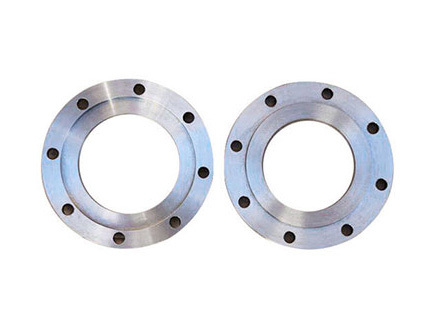
316L stainless steel weld neck flanges are essential components in various piping systems, particularly in industries requiring high durability and resistance to corrosion. As a variant of the 316 stainless steel grade, 316L features a lower carbon content, which enhances its resistance to intergranular corrosion, making it ideal for use in high-temperature and highly corrosive environments.
One of the primary benefits of 316L stainless steel weld neck flanges is their exceptional strength and toughness. These flanges are designed to withstand high pressure and temperature fluctuations, providing a secure and leak-proof connection between pipes. This makes them particularly useful in industries such as chemical processing, oil and gas, and marine applications, where the integrity of the piping system is crucial for safety and efficiency.
The weld neck design of these flanges contributes to their superior performance. The gradual transition from the flange to the pipe helps to reduce stress concentration, which can lead to failures. This structural advantage allows for easier alignment during installation, thus minimizing the risk of misalignment and ensuring a consistent flow of materials through the piping system.
In terms of installation, weld neck flanges require welding to attach them to the pipe or fitting, creating a strong joint that is less likely to fail under stress compared to other types of flanges. This welding process also allows for smooth internal flow, reducing turbulence and helping to maintain the integrity of the transported fluids.
When considering 316L stainless steel weld neck flanges, professionals should also evaluate their compatibility with various mediums. Their resistance to pitting and crevice corrosion makes them suitable for use with chloride solutions and other aggressive chemicals. This versatility extends their applicability across different sectors, enhancing their value within the construction and decorative materials industry.
Moreover, maintaining these flanges is relatively straightforward. Regular inspections and cleanings can ensure they remain in optimal condition, prolonging their service life and reducing the need for replacements. It is essential, however, to avoid using abrasive cleaners that may scratch the surface, as this can compromise their corrosion resistance.
In conclusion, 316L stainless steel weld neck flanges are a critical component in modern piping systems, offering numerous advantages in terms of strength, corrosion resistance, and reliability. Their design and material properties make them indispensable for professionals in the building and decoration materials sector, particularly when creating robust piping solutions that withstand challenging environments. Understanding their features and applications will empower industry professionals to make informed decisions when selecting the right flanges for their projects.
Blog

Understanding Polyurethane Direct Buried Insulation Pipes: A Comprehensive Guide
Polyurethane direct buried insulation pipes are specialized piping systems designed to transport fluids while minimizing heat loss. These pipes are particularly valuable in industries where temperature maintenance is crucial, such as metallurgy and energy. The insulation properties of polyurethane make these pipes ideal for applications that require a high level of thermal efficiency.
One of the p

Contact information
200 metres west of the south side of the intersection of Hope Avenue and Fenqi Road, Xindian Town, Mengcun Hui Zuzizhixian, Cangzhou City, Hebei Province, China


Message feedback
If you are interested in our products, please leave your email and we will contact you as soon as possible. Thank you!