
Underground Pipeline Solutions: Exploring the Advantages of 3PE Coated Steel Pipe
2025-03-06
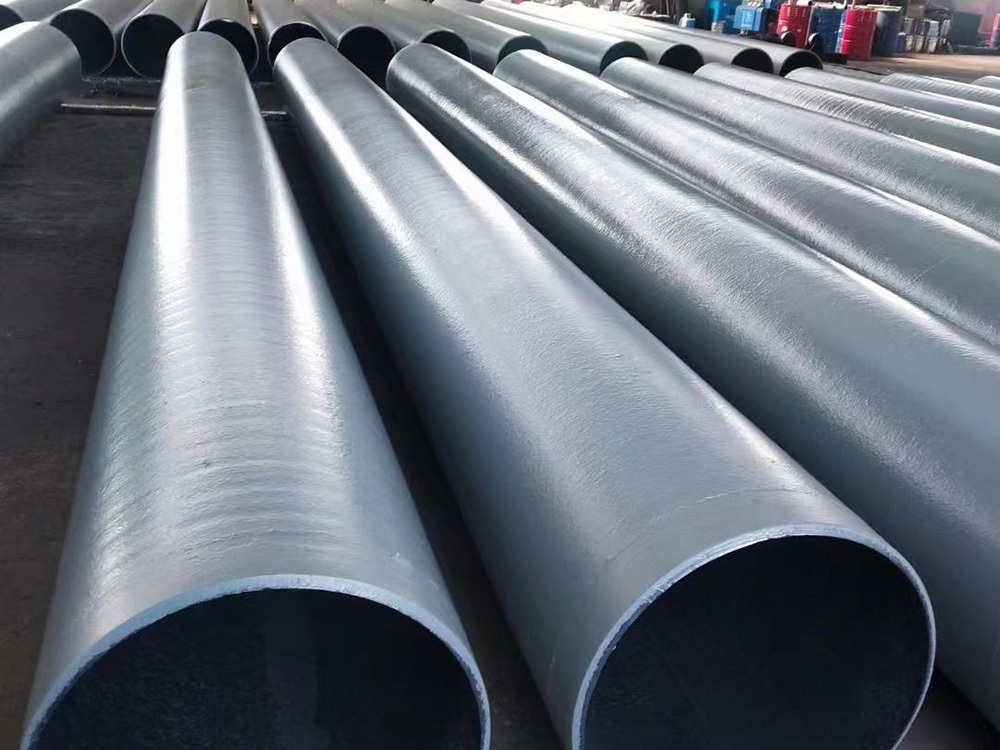
Underground Pipeline Solutions: Exploring the Advantages of 3PE Coated Steel Pipe
In the world of construction and infrastructure, the choice of materials for underground pipelines can significantly impact the longevity, performance, and maintenance costs of the entire system. Among the various options available, **3PE coated steel pipes** have emerged as a leading choice for engineers and project managers alike. This article explores the advantages of using **3PE coated steel pipes** for underground pipeline solutions, delving into their durability, corrosion resistance, cost-effectiveness, and installation benefits.
Table of Contents
1. Introduction to 3PE Coated Steel Pipes
2. Understanding the 3PE Coating Process
2.1 What is 3PE Coating?
2.2 The Layers Involved in 3PE Coating
3. Key Advantages of 3PE Coated Steel Pipes
3.1 Exceptional Corrosion Resistance
3.2 Enhanced Mechanical Strength
3.3 Cost-Effectiveness Over Time
3.4 Environmental Sustainability
4. Applications of 3PE Coated Steel Pipes
5. Installation Process and Considerations
5.1 Preparing the Site for Installation
5.2 Best Practices for Installation
6. Comparing 3PE Coated Steel Pipes with Other Pipeline Materials
6.1 3PE Coated Steel vs. PVC Pipes
6.2 3PE Coated Steel vs. Ductile Iron Pipes
7. Frequently Asked Questions (FAQs)
8. Conclusion
1. Introduction to 3PE Coated Steel Pipes
The construction industry continuously seeks materials that offer superior performance, longevity, and cost efficiency. **3PE coated steel pipes** are increasingly being recognized for their ability to meet these critical requirements. With their unique three-layer polyethylene coating, these pipes provide an effective solution for various underground applications, including water, gas, and sewage transport.
2. Understanding the 3PE Coating Process
The 3PE coating process involves applying a three-layer system designed to enhance the protective qualities of steel pipes. Understanding this process is crucial for appreciating the advantages of 3PE coated steel pipes.
2.1 What is 3PE Coating?
**3PE** stands for **three-layer polyethylene**, a coating system that provides enhanced protection against corrosive environments. The coating consists of three distinct layers, each serving a specific purpose in protecting the underlying steel.
2.2 The Layers Involved in 3PE Coating
The three layers of 3PE coating include:
- **Layer 1: Fusion Bond Epoxy (FBE)** - This is the innermost layer, which is tightly bonded to the steel surface and provides excellent adhesion and corrosion resistance.
- **Layer 2: Adhesive Layer** - This layer ensures that the outer polyethylene layer adheres securely to the FBE layer, adding durability to the overall coating system.
- **Layer 3: Polyethylene Layer** - The outermost layer offers physical protection against mechanical damage, as well as further resistance to environmental factors such as moisture and chemicals.
3. Key Advantages of 3PE Coated Steel Pipes
3PE coated steel pipes present several advantages that make them a preferred choice for underground applications.
3.1 Exceptional Corrosion Resistance
Corrosion is one of the most significant threats to the integrity of underground pipelines. **3PE coated steel pipes** significantly reduce the risk of corrosion due to their robust coating. The combination of FBE and polyethylene provides a formidable barrier against moisture, chemicals, and other corrosive elements found in underground environments.
3.2 Enhanced Mechanical Strength
The robust construction of **3PE coated steel pipes** ensures that they can withstand high pressure and external loads without compromising their integrity. The steel core provides the necessary strength, while the protective layers enhance durability against physical stresses.
3.3 Cost-Effectiveness Over Time
Although the initial cost of **3PE coated steel pipes** may be higher than other materials, the long-term savings associated with maintenance and replacement make them a cost-effective choice. Their resilience to corrosion and mechanical damage reduces the need for frequent repairs and replacements, ultimately lowering lifecycle costs.
3.4 Environmental Sustainability
In an era where environmental considerations are increasingly vital, **3PE coated steel pipes** offer a more sustainable option. The materials used in the coating process are recyclable, and the longevity of the pipes reduces the environmental impact associated with frequent replacements.
4. Applications of 3PE Coated Steel Pipes
**3PE coated steel pipes** are versatile and suitable for various applications, including:
- Water distribution systems
- Gas transmission pipelines
- Sewage and wastewater management
- Industrial fluid transport
Their adaptability makes them a preferred choice in numerous industries, from municipal water systems to large-scale industrial projects.
5. Installation Process and Considerations
The installation of **3PE coated steel pipes** requires careful planning and execution to ensure optimal performance and longevity.
5.1 Preparing the Site for Installation
Before installation, it is crucial to conduct a thorough site assessment. This includes evaluating soil conditions, existing infrastructure, and potential environmental challenges. Proper site preparation is essential to prevent damage during installation.
5.2 Best Practices for Installation
Following best practices during installation can enhance the performance of **3PE coated steel pipes**:
- **Minimize Handling Damage**: Ensure that the pipes are handled carefully to avoid damaging the protective coating.
- **Proper Alignment**: Ensure that the pipes are aligned correctly to maintain flow efficiency and reduce stress on joints.
- **Use of Quality Fittings and Joints**: Choose high-quality fittings that are compatible with **3PE coated steel pipes** to ensure a leak-free installation.
6. Comparing 3PE Coated Steel Pipes with Other Pipeline Materials
When selecting materials for underground pipelines, it is essential to compare **3PE coated steel pipes** with other options.
6.1 3PE Coated Steel vs. PVC Pipes
While PVC pipes are popular due to their lightweight and easy installation, they lack the mechanical strength and corrosion resistance of **3PE coated steel pipes**. In high-pressure applications or corrosive environments, **3PE coated steel** is the superior choice.
6.2 3PE Coated Steel vs. Ductile Iron Pipes
Ductile iron pipes offer excellent strength, but they are more susceptible to corrosion compared to **3PE coated steel pipes**. The protective coating of 3PE provides significant advantages in preventing corrosion-related failures, making it a more reliable option for long-term underground applications.
7. Frequently Asked Questions (FAQs)
1. What is the lifespan of 3PE coated steel pipes?
**3PE coated steel pipes** can last over 50 years when properly installed and maintained, making them an excellent long-term investment.
2. Are 3PE coated steel pipes suitable for all soil types?
Yes, **3PE coated steel pipes** are suitable for various soil types, including corrosive soils, thanks to their superior corrosion resistance.
3. Can 3PE coated steel pipes be used for high-pressure applications?
Absolutely! The mechanical strength of **3PE coated steel pipes** makes them ideal for high-pressure applications.
4. How do I maintain 3PE coated steel pipes?
Regular inspections and monitoring for signs of damage or leakage are essential. If any damage is found, repairs should be conducted immediately to maintain integrity.
5. Are 3PE coated steel pipes environmentally friendly?
Yes, the materials used in the coating process are recyclable, and the longevity of the pipes contributes to their environmental sustainability.
8. Conclusion
In conclusion, **3PE coated steel pipes** represent a robust and effective solution for underground pipeline applications. With their exceptional corrosion resistance, mechanical strength, and cost-effectiveness, they offer significant advantages over other materials. As industries continue to prioritize sustainability and long-term performance, the adoption of **3PE coated steel pipes** will likely increase, ensuring reliable infrastructure for years to come. Whether for water distribution, gas transmission, or wastewater management, **3PE coated steel pipes** stand out as a superior choice in modern construction and infrastructure projects.
Blog

Understanding Polyurethane Direct Buried Insulation Pipes: A Comprehensive Guide
Polyurethane direct buried insulation pipes are specialized piping systems designed to transport fluids while minimizing heat loss. These pipes are particularly valuable in industries where temperature maintenance is crucial, such as metallurgy and energy. The insulation properties of polyurethane make these pipes ideal for applications that require a high level of thermal efficiency.
One of the p

Contact information
200 metres west of the south side of the intersection of Hope Avenue and Fenqi Road, Xindian Town, Mengcun Hui Zuzizhixian, Cangzhou City, Hebei Province, China


Message feedback
If you are interested in our products, please leave your email and we will contact you as soon as possible. Thank you!