
Understanding 3PE Anti-Corrosion Pipeline Solutions for Offshore Applications
2025-03-07
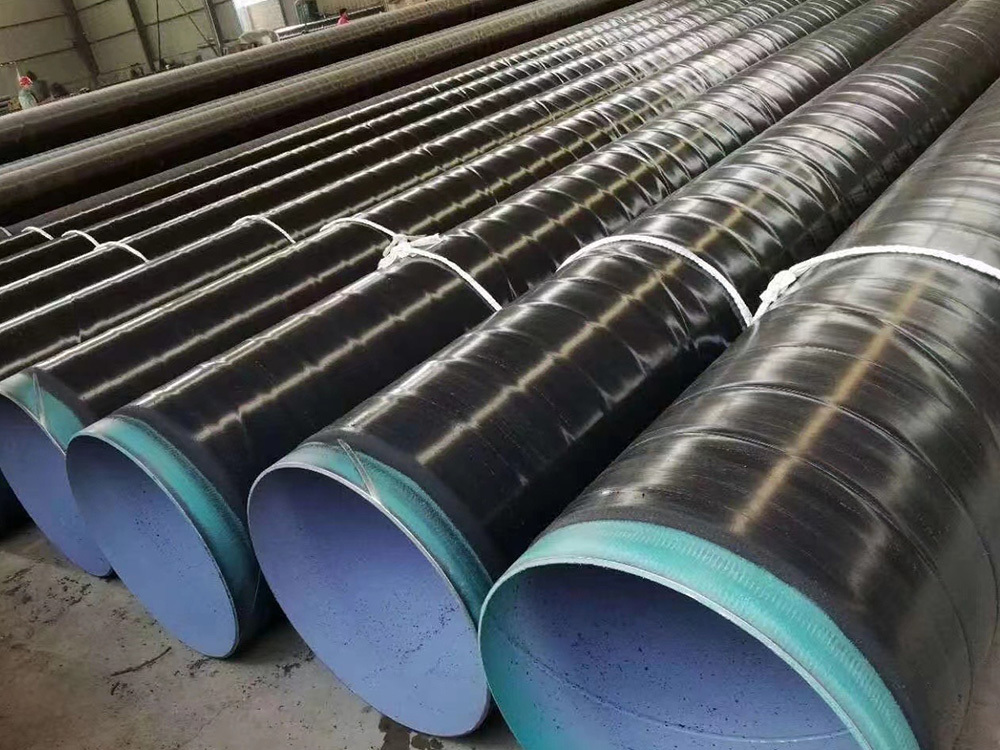
In the offshore industry, the integrity of pipeline systems is paramount to ensuring safety, efficiency, and environmental protection. One of the most effective solutions for preventing corrosion in these challenging environments is the use of 3PE (Three-Layer Polyethylene) anti-corrosion pipelines. This technology has gained widespread acceptance due to its impressive durability and long-lasting performance.
The 3PE coating system comprises three layers: an epoxy primer, a copolymer adhesive, and a polyethylene outer layer. This multi-layer approach provides a robust defense against corrosive elements commonly found in offshore settings, such as saltwater, humidity, and various chemicals. The epoxy primer serves as a strong bond, ensuring that the adhesive layer adheres effectively to the steel pipe. The outer polyethylene layer not only offers additional protection but also acts as a barrier against UV radiation and mechanical damage.
One of the key advantages of 3PE anti-corrosion pipelines is their ability to withstand extreme environmental conditions. Offshore applications often involve exposure to harsh weather, fluctuating temperatures, and high-pressure scenarios. The resilience of the 3PE coating ensures that the pipeline maintains its structural integrity over time, reducing the need for frequent maintenance and the risk of leaks or failures.
Moreover, the installation process for 3PE coated pipelines is relatively straightforward. The pipes can be manufactured off-site and transported to the installation location, where they can be easily connected to existing systems. This not only saves time on the project but also minimizes disruption to the surrounding environment.
In addition to their protective properties, 3PE anti-corrosion pipelines are also cost-effective in the long term. By significantly extending the lifespan of the pipeline and reducing maintenance costs, they provide a compelling return on investment for offshore projects. Furthermore, their lightweight nature can lead to lower transportation and installation costs, making them an attractive option for many operators.
Lastly, the environmental impact of using 3PE coated pipelines is worth noting. By preventing leaks and ensuring the safe transport of fluids, these pipelines contribute to a more sustainable approach to offshore operations. This is particularly important in an era where environmental protection is of utmost importance to regulatory bodies and the public.
In conclusion, 3PE anti-corrosion pipelines represent a reliable and effective solution for offshore applications. Their multi-layered design, resistance to harsh conditions, ease of installation, and cost-effectiveness make them an essential component in the offshore industry. By investing in these advanced materials, operators can ensure the safety and efficiency of their pipeline systems, ultimately leading to a more sustainable future.
The 3PE coating system comprises three layers: an epoxy primer, a copolymer adhesive, and a polyethylene outer layer. This multi-layer approach provides a robust defense against corrosive elements commonly found in offshore settings, such as saltwater, humidity, and various chemicals. The epoxy primer serves as a strong bond, ensuring that the adhesive layer adheres effectively to the steel pipe. The outer polyethylene layer not only offers additional protection but also acts as a barrier against UV radiation and mechanical damage.
One of the key advantages of 3PE anti-corrosion pipelines is their ability to withstand extreme environmental conditions. Offshore applications often involve exposure to harsh weather, fluctuating temperatures, and high-pressure scenarios. The resilience of the 3PE coating ensures that the pipeline maintains its structural integrity over time, reducing the need for frequent maintenance and the risk of leaks or failures.
Moreover, the installation process for 3PE coated pipelines is relatively straightforward. The pipes can be manufactured off-site and transported to the installation location, where they can be easily connected to existing systems. This not only saves time on the project but also minimizes disruption to the surrounding environment.
In addition to their protective properties, 3PE anti-corrosion pipelines are also cost-effective in the long term. By significantly extending the lifespan of the pipeline and reducing maintenance costs, they provide a compelling return on investment for offshore projects. Furthermore, their lightweight nature can lead to lower transportation and installation costs, making them an attractive option for many operators.
Lastly, the environmental impact of using 3PE coated pipelines is worth noting. By preventing leaks and ensuring the safe transport of fluids, these pipelines contribute to a more sustainable approach to offshore operations. This is particularly important in an era where environmental protection is of utmost importance to regulatory bodies and the public.
In conclusion, 3PE anti-corrosion pipelines represent a reliable and effective solution for offshore applications. Their multi-layered design, resistance to harsh conditions, ease of installation, and cost-effectiveness make them an essential component in the offshore industry. By investing in these advanced materials, operators can ensure the safety and efficiency of their pipeline systems, ultimately leading to a more sustainable future.
Blog

Understanding Polyurethane Direct Buried Insulation Pipes: A Comprehensive Guide
Polyurethane direct buried insulation pipes are specialized piping systems designed to transport fluids while minimizing heat loss. These pipes are particularly valuable in industries where temperature maintenance is crucial, such as metallurgy and energy. The insulation properties of polyurethane make these pipes ideal for applications that require a high level of thermal efficiency.
One of the p

Contact information
200 metres west of the south side of the intersection of Hope Avenue and Fenqi Road, Xindian Town, Mengcun Hui Zuzizhixian, Cangzhou City, Hebei Province, China


Message feedback
If you are interested in our products, please leave your email and we will contact you as soon as possible. Thank you!