
ANSI B16.9 Stainless Steel Pipe Caps: Choosing Quality Over Cost
2025-03-22
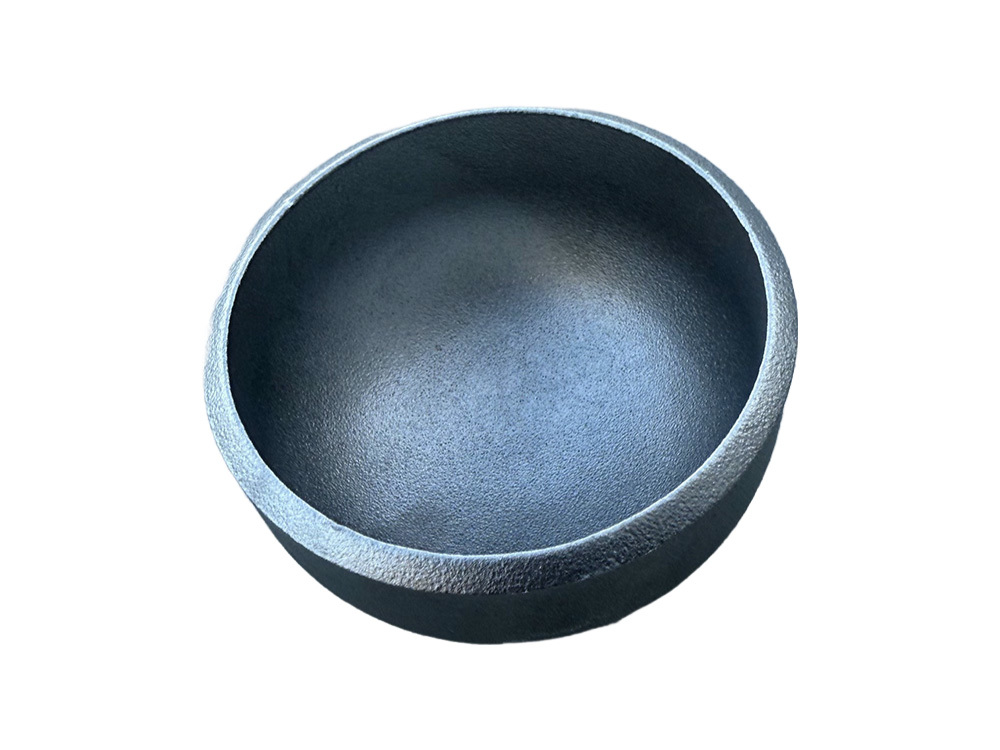
ANSI B16.9 Stainless Steel Pipe Caps: Choosing Quality Over Cost
In the world of construction and industrial applications, the choice of materials can significantly impact the longevity and reliability of a project. Among these materials, ANSI B16.9 stainless steel pipe caps take center stage, providing an essential function in piping systems. This article delves deep into the nuances of selecting the right pipe caps, emphasizing the importance of quality over cost.
Understanding ANSI B16.9 Stainless Steel Pipe Caps
ANSI B16.9 is a standard that outlines the requirements for factory-made fittings, including pipe caps. These caps are used to seal the ends of pipes, preventing leakage and protecting the internal environment from external contaminants. The specifications ensure consistency in dimensions, tolerances, and mechanical properties.
What Are Stainless Steel Pipe Caps?
Stainless steel pipe caps are fittings that cover the ends of pipes, creating a seal that is essential for maintaining system integrity. Made from high-quality stainless steel, these caps resist corrosion and are suitable for various environments, from chemical processing to marine applications.
Benefits of Choosing ANSI B16.9 Stainless Steel Pipe Caps
The benefits of opting for ANSI B16.9 stainless steel pipe caps are numerous:
- Durability: Stainless steel is known for its strength and resistance to rust and corrosion, ensuring a long service life.
- Versatility: Suitable for a wide range of applications, including plumbing, oil and gas, and food processing.
- Safety: Properly installed caps prevent leaks, protecting both the system and the surrounding environment.
- Compliance: ANSI B16.9 standards ensure that the caps meet industry requirements for safety and performance.
Key Factors to Consider When Choosing Pipe Caps
Material Quality
The material quality of pipe caps significantly affects their performance. High-grade stainless steel, such as 304 or 316, provides excellent resistance to corrosion and extreme temperatures. Always verify the grade of stainless steel used to ensure it fits the intended application.
Size and Dimensions
Proper sizing is crucial for the effective functioning of pipe caps. ANSI B16.9 specifications detail various sizes and dimensions, which must match the pipes being capped. Check the nominal pipe size (NPS) and wall thickness to ensure compatibility.
Pressure Rating
Different applications require various pressure ratings. ANSI B16.9 pipe caps are designed to handle specific pressure levels. Ensure the pipe caps you select can withstand the operating pressure of your system to avoid failures.
Manufacturing Process
The manufacturing process plays a vital role in the quality of pipe caps. Caps produced through seamless or welded processes have different strength characteristics. Seamless caps, for example, are typically stronger and less prone to weaknesses than welded ones. Always inquire about the manufacturing method used.
Quality Certifications
Look for quality certifications from recognized organizations, such as ISO 9001, which indicate that the manufacturer adheres to strict quality control standards. This certification assures you that the product has undergone rigorous testing and meets specified quality benchmarks.
Cost vs. Quality: Why Choosing Quality is Crucial
While cost is an important factor in any purchasing decision, opting for the cheapest option can lead to more significant expenses down the line. Poor-quality pipe caps may fail prematurely, resulting in leaks, system failures, and costly repairs. Here’s why investing in quality is essential:
Long-Term Savings
High-quality pipe caps may have a higher initial cost, but their durability leads to lower maintenance and replacement costs over time. Investing in quality materials can save significant amounts in the long run, avoiding frequent repairs and replacements.
Safety and Compliance
Using subpar materials can lead to safety hazards, including leaks and catastrophic failures. ANSI B16.9 standards are designed to ensure safety in piping systems. Quality pipe caps that meet these standards provide peace of mind that your system is compliant and safe.
Enhanced Performance
Quality pipe caps contribute to the overall performance of a piping system. They provide a better seal, reducing the likelihood of leaks and maintaining system pressure. This performance is crucial for critical applications like oil and gas transportation or food processing.
How to Install ANSI B16.9 Stainless Steel Pipe Caps
Correct installation is key to ensuring the effectiveness of pipe caps. Here’s how to install ANSI B16.9 stainless steel pipe caps properly:
Preparation
Before installation, clean the pipe ends to remove any debris or contaminants. Ensure the pipe surface is smooth for a proper seal.
Alignment
Align the pipe cap with the pipe end, ensuring it fits snugly. Any misalignment can lead to issues during sealing.
Securing the Cap
Depending on your application, you may need to weld the cap in place or secure it using threaded connections. Follow manufacturer recommendations for the best practices specific to the cap type.
Testing the Seal
After installation, conduct a pressure test to ensure that the seal is tight and there are no leaks. This step is critical for maintaining system integrity.
Frequently Asked Questions (FAQs)
1. What is the difference between ANSI B16.9 and ANSI B16.5?
ANSI B16.9 covers factory-made fittings like pipe caps, while ANSI B16.5 focuses mainly on flanges and flanged fittings. Each standard serves a different purpose in piping systems.
2. Can I use carbon steel caps instead of stainless steel?
Carbon steel caps are less resistant to corrosion compared to stainless steel. In environments where corrosion is a concern, stainless steel caps are the better choice.
3. How do I know what size pipe cap I need?
Determine the nominal pipe size (NPS) and wall thickness of the pipe you are capping. This information will guide you in selecting the correct size ANSI B16.9 pipe cap.
4. Are ANSI B16.9 pipe caps suitable for high-temperature applications?
Yes, high-grade stainless steel pipe caps can withstand high temperatures. However, it is essential to check the specific temperature ratings for the material used.
5. What should I look for when selecting a manufacturer for pipe caps?
Choose manufacturers with quality certifications, a proven track record, and positive customer reviews. Ensure they adhere to ANSI B16.9 standards and have experience in producing high-quality fittings.
Conclusion
Choosing ANSI B16.9 stainless steel pipe caps is a decision that can impact the safety, efficiency, and longevity of piping systems. Prioritize quality over cost to ensure durability and reliability in your projects. By understanding the specifications, installation processes, and benefits of high-quality pipe caps, you can make informed decisions that pay off in the long term. Invest wisely, and your piping systems will thank you.
Blog

Understanding Polyurethane Direct Buried Insulation Pipes: A Comprehensive Guide

Contact information
200 metres west of the south side of the intersection of Hope Avenue and Fenqi Road, Xindian Town, Mengcun Hui Zuzizhixian, Cangzhou City, Hebei Province, China


Message feedback
If you are interested in our products, please leave your email and we will contact you as soon as possible. Thank you!