
Best Practices for Installing 304L Stainless Steel Elbow in Pipes: A Comprehensive Guide
2025-03-24
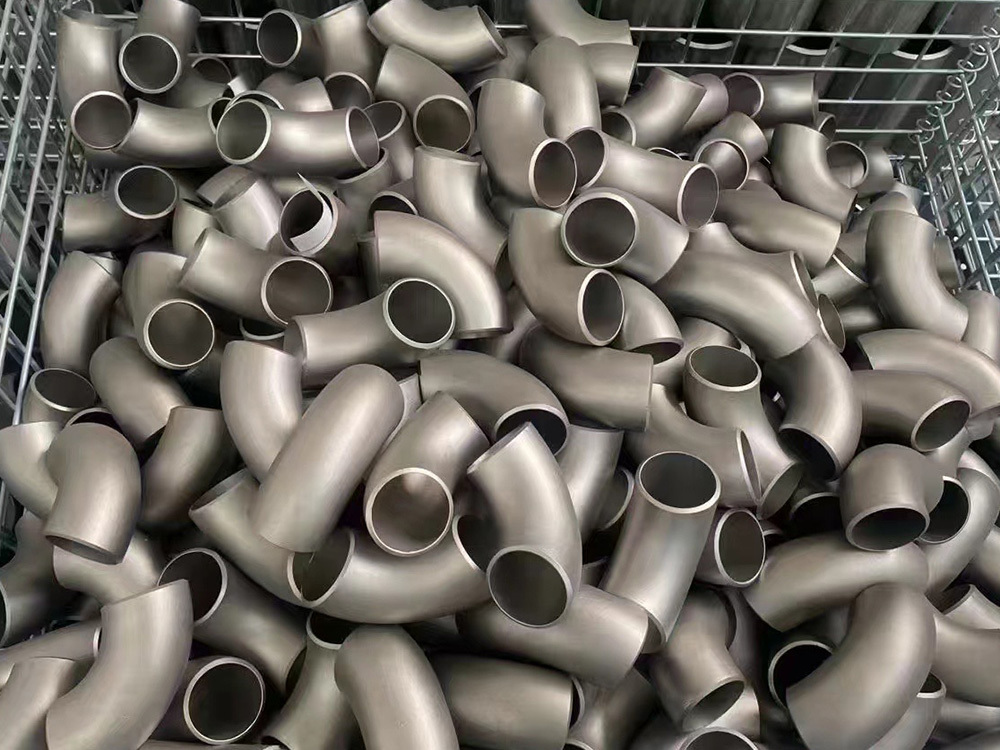
Best Practices for Installing 304L Stainless Steel Elbow in Pipes
Table of Contents
- 1. Introduction to 304L Stainless Steel Elbows
- 2. Benefits of Using 304L Stainless Steel Elbows
- 3. Preparation Before Installation
- 4. The Installation Process
- 5. Common Mistakes to Avoid
- 6. Maintenance and Care for Stainless Steel Elbows
- 7. Safety Tips During Installation
- 8. Conclusion
- 9. Frequently Asked Questions
1. Introduction to 304L Stainless Steel Elbows
Installing 304L stainless steel elbows in piping systems is a critical aspect of ensuring the integrity and efficiency of fluid transport. These fittings are renowned for their durability and resistance to corrosion, making them ideal for various applications, including plumbing, chemical processing, and food and beverage industries. This guide will explore best practices for installation, enhancing performance, and longevity.
2. Benefits of Using 304L Stainless Steel Elbows
When considering materials for plumbing and industrial applications, **304L stainless steel** stands out for several reasons:
Corrosion Resistance
304L stainless steel has excellent resistance to a wide range of corrosive environments, which helps maintain the integrity of your piping systems over time.
High Strength and Durability
These elbows can withstand high temperatures and pressures, making them suitable for various applications where reliability is essential.
Versatility
304L stainless steel is adaptable to numerous environments, ranging from domestic plumbing to complex industrial operations.
Low Maintenance
The longevity of 304L elbows means that they require less frequent replacements, reducing long-term maintenance costs.
3. Preparation Before Installation
Proper preparation is crucial before installing 304L stainless steel elbows. The following steps will help ensure a smooth installation process:
Inspect the Components
Always inspect the elbows and pipes for any visible damage. **Scratches, dents, or corrosion** can compromise the integrity of the installation.
Gather Necessary Tools
Having the right tools at hand simplifies the installation process. Essential tools include:
- Pipe wrench
- Adjustable wrench
- Pipe cutter
- Deburring tool
- Measuring tape
- Level
Clean the Pipes
Before installation, ensure that the pipe ends are clean and free from debris. Use a cloth or a cleaning brush to remove any dirt, oil, or previous sealant residues.
4. The Installation Process
The installation of 304L stainless steel elbows requires precision and care. Follow these steps for optimal results:
Measure and Cut the Pipes
Measure the length of the pipe sections accurately and mark where the cuts will be made. Use a **pipe cutter** to ensure a clean cut, preventing any jagged edges that could affect the seal.
Deburr the Edges
After cutting, use a deburring tool to smooth out the edges of the pipe. This step is vital to avoid damaging the elbow during installation.
Align the Elbow with the Pipe
Position the elbow at the desired angle. Ensure that it aligns perfectly with the adjoining pipe sections for a tight fit.
Secure the Elbow
Using a pipe wrench, tighten the elbow onto the pipe. Be careful not to overtighten, as this could lead to stress fractures in the metal.
Check for Leaks
After installation, conduct a pressure test to check for leaks. Monitor joints and seams closely and make necessary adjustments if any leaks are detected.
5. Common Mistakes to Avoid
To ensure a successful installation, be aware of these common pitfalls:
Neglecting to Inspect Components
Failing to adequately inspect the elbows and pipes can lead to significant issues post-installation.
Improper Measurement
Incorrect measurements can result in misaligned pipes and fittings, requiring extensive rework.
Overtightening Fittings
Applying excessive force when tightening can damage the elbow and lead to premature failure.
Ignoring Safety Protocols
Always prioritize safety by wearing appropriate personal protective equipment (PPE) and following safety guidelines during installation.
6. Maintenance and Care for Stainless Steel Elbows
To prolong the lifespan of your 304L stainless steel elbows, regular maintenance is essential:
Routine Inspections
Conduct periodic inspections to identify signs of wear, corrosion, or leaks.
Cleaning
Use gentle cleaning agents and avoid abrasive materials that could scratch the stainless steel surface.
Check for Corrosion
Look for any signs of corrosion regularly, especially in environments that are prone to moisture or chemicals.
7. Safety Tips During Installation
Safety should be your top priority during installation. Consider the following:
Wear Protective Gear
Use gloves, safety goggles, and masks to protect yourself from metal shards and other debris.
Ensure Proper Ventilation
Work in a well-ventilated area, especially if you are using adhesives or solvents that may produce harmful fumes.
Follow Manufacturer Guidelines
Always adhere to the manufacturer's instructions for installation and maintenance to ensure safety and efficacy.
8. Conclusion
Installing 304L stainless steel elbows in pipes is a task that demands careful attention to detail and adherence to best practices. From preparation to installation and maintenance, following the outlined steps will not only enhance the longevity of your piping system but also ensure its performance. By avoiding common mistakes and prioritizing safety, you can achieve a successful installation that meets your needs.
9. Frequently Asked Questions
What is the difference between 304 and 304L stainless steel?
304L stainless steel has a lower carbon content than 304, making it more resistant to corrosion and suitable for welding applications.
Can I use 304L stainless steel elbows for high-temperature applications?
Yes, 304L stainless steel elbows can endure high temperatures, making them ideal for various applications, provided they are within the material's limits.
What tools do I need for installing stainless steel elbows?
Essential tools include a pipe cutter, deburring tool, pipe wrench, adjustable wrench, and measuring tape.
How do I prevent corrosion in stainless steel elbows?
Regular maintenance, including cleaning and inspections, can help prevent corrosion. Additionally, choosing the right environment for installation can minimize exposure to corrosive elements.
Is professional installation necessary for stainless steel elbows?
While experienced individuals can install stainless steel elbows, hiring a professional ensures adherence to safety standards and optimal installation practices.
Blog

Understanding Polyurethane Direct Buried Insulation Pipes: A Comprehensive Guide
Polyurethane direct buried insulation pipes are specialized piping systems designed to transport fluids while minimizing heat loss. These pipes are particularly valuable in industries where temperature maintenance is crucial, such as metallurgy and energy. The insulation properties of polyurethane make these pipes ideal for applications that require a high level of thermal efficiency.
One of the p

Contact information
200 metres west of the south side of the intersection of Hope Avenue and Fenqi Road, Xindian Town, Mengcun Hui Zuzizhixian, Cangzhou City, Hebei Province, China


Message feedback
If you are interested in our products, please leave your email and we will contact you as soon as possible. Thank you!