
Why Stainless Steel Spectacle Blind Flanges Are Essential for Pipe Systems
2025-10-25
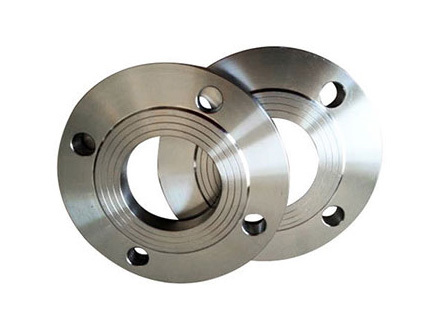
Why Stainless Steel Spectacle Blind Flanges Are Essential for Pipe Systems
Table of Contents
- Introduction to Stainless Steel Spectacle Blind Flanges
- What Are Spectacle Blind Flanges?
- Benefits of Using Stainless Steel Spectacle Blind Flanges
- Applications of Spectacle Blind Flanges
- How to Properly Install Spectacle Blind Flanges
- Maintenance and Care for Spectacle Blind Flanges
- Comparison with Other Types of Flanges
- Frequently Asked Questions (FAQs)
- Conclusion
Introduction to Stainless Steel Spectacle Blind Flanges
In the world of piping systems, ensuring safety and reliability is paramount. Among the numerous components that contribute to this goal, **stainless steel spectacle blind flanges** stand out for their unique design and functionality. These flanges are essential in various applications, providing a secure means to isolate sections of piping systems, facilitate maintenance, and ensure the integrity of the overall structure. In this article, we will delve deep into the significance of stainless steel spectacle blind flanges, illustrating their benefits, applications, installation procedures, and maintenance practices.
What Are Spectacle Blind Flanges?
**Spectacle blind flanges**, also known simply as spectacle blinds, are specialized piping components used to isolate a section of a pipeline. They consist of a **flat piece of metal** that resembles the shape of glasses—hence the name "spectacle." Typically, these flanges feature two distinct sections: one that allows for flow (the "open" side) and another that blocks flow (the "blind" side). This dual functionality makes them a critical component in the management of piping systems.
Constructed from **stainless steel**, these flanges provide excellent resistance to corrosion, making them suitable for use in a variety of environments, including those with high humidity or exposure to harsh chemicals. Their robust design ensures they can withstand significant pressure and temperature variations, contributing to the safety and longevity of the pipe systems in which they are installed.
Benefits of Using Stainless Steel Spectacle Blind Flanges
The advantages of using stainless steel spectacle blind flanges are numerous and impactful:
1. Enhanced Durability
Stainless steel is renowned for its durability and resistance to rust and corrosion. This makes spectacle blind flanges a long-lasting solution for piping systems, significantly reducing the need for frequent replacements.
2. Versatility in Applications
These flanges are suitable for a myriad of applications across various industries, including oil and gas, water treatment, chemical processing, and food and beverage production. Their ability to isolate sections of pipelines allows for efficient maintenance and repairs without the need to drain the entire system.
3. Safety Assurance
Safety is a top priority in any industrial setting. By using spectacle blind flanges, operators can ensure that specific sections of a pipeline are safely isolated, minimizing the risk of leaks or accidental releases of hazardous materials.
4. Cost-Effectiveness
While the initial investment in stainless steel spectacle blind flanges may be higher than other materials, their durability and low maintenance requirements often lead to significant cost savings over time.
5. Ease of Installation
Installation of spectacle blind flanges is straightforward and can typically be accomplished with minimal tools and equipment, making them an efficient option for pipeline construction and maintenance.
Applications of Spectacle Blind Flanges
Stainless steel spectacle blind flanges are utilized in various sectors due to their unique capabilities:
1. Oil and Gas Industry
In the oil and gas sector, spectacle blind flanges are essential for isolating sections of pipelines during maintenance or emergency situations. They help prevent spills and leaks, thus safeguarding the environment and protecting personnel.
2. Chemical Processing
Chemical plants often use spectacle blind flanges to isolate reactors, ensuring that hazardous substances are contained during maintenance operations. Their resistance to corrosion is vital in environments where aggressive chemicals are present.
3. Water Treatment Facilities
In water treatment plants, these flanges help isolate sections of piping, making repairs and maintenance safer and more efficient. They ensure the integrity of the water supply throughout the treatment process.
4. Food and Beverage Production
The food and beverage industry requires stringent hygiene standards. Stainless steel spectacle blind flanges meet these requirements by providing a safe and clean option for isolating sections of piping.
How to Properly Install Spectacle Blind Flanges
Proper installation of stainless steel spectacle blind flanges is crucial for their effectiveness. Follow these steps for a successful installation:
1. Prepare the Pipe Ends
Ensure that the pipe ends are clean and free of debris. This will facilitate a proper seal and prevent leaks.
2. Align the Flange
Position the spectacle blind flange between the two pipe ends, ensuring that the open side is facing the flow direction if flow is required in that section.
3. Secure the Flange
Using appropriate bolts and nuts, secure the flange in place. It's important to follow the manufacturer's specifications for torque settings to avoid damaging the flange or pipes.
4. Check for Leaks
Once installed, conduct a thorough inspection to check for any leaks. This ensures that the installation was successful and that the piping system is safe for operation.
Maintenance and Care for Spectacle Blind Flanges
To prolong the life of stainless steel spectacle blind flanges, regular maintenance is essential:
1. Routine Inspections
Schedule regular inspections to check for signs of wear, corrosion, or leaks. Early detection can prevent significant issues down the line.
2. Cleaning
Keep the flanges clean to prevent the buildup of contaminants that can lead to corrosion. Use appropriate cleaning agents that are safe for stainless steel.
3. Re-tightening Bolts
Over time, bolts can loosen due to temperature fluctuations and vibrations. Periodically re-tighten bolts to ensure a secure fit.
Comparison with Other Types of Flanges
Understanding how stainless steel spectacle blind flanges compare to other types of flanges can help users make informed decisions:
1. Spectacle Blind vs. Regular Blind Flanges
While both types serve to block flow, spectacle blind flanges offer the added benefit of an open section, allowing for flexibility in operations.
2. Spectacle Blind vs. Slip-on Flanges
Slip-on flanges are easier to install but lack the functionality of a spectacle blind. Spectacle blinds are better suited for applications requiring flow isolation.
3. Spectacle Blind vs. Weld Neck Flanges
Weld neck flanges provide robust connections but are more complex to install compared to spectacle blinds, making the latter more convenient for maintenance tasks.
Frequently Asked Questions (FAQs)
1. What materials are stainless steel spectacle blind flanges made from?
Stainless steel spectacle blind flanges are typically made from various grades of stainless steel, such as 304 or 316, depending on the application requirements.
2. How do I know if a spectacle blind flange is suitable for my application?
Consider factors such as pressure and temperature ratings, compatibility with the fluids in your system, and environmental conditions before selecting a flange.
3. Are there different sizes of spectacle blind flanges?
Yes, spectacle blind flanges come in various sizes and thicknesses to accommodate different pipe diameters and pressure ratings.
4. Can spectacle blind flanges be reused?
Yes, as long as they are in good condition and have not been damaged during removal. Inspect them thoroughly before reinstallation.
5. What is the average lifespan of stainless steel spectacle blind flanges?
With proper maintenance, stainless steel spectacle blind flanges can last for many years, often exceeding 20 years, depending on the operating conditions.
Conclusion
In summary, **stainless steel spectacle blind flanges** are a crucial component of modern pipe systems, offering unparalleled durability, safety, and efficiency. Their unique design not only facilitates maintenance and repairs but also ensures the integrity of piping systems across various industries. By understanding their benefits, applications, installation, and maintenance, operators can make informed decisions that enhance the reliability of their piping systems. Investing in high-quality spectacle blind flanges is not just a choice—it's a commitment to safety and operational excellence.
Blog

Understanding Polyurethane Direct Buried Insulation Pipes: A Comprehensive Guide
Polyurethane direct buried insulation pipes are specialized piping systems designed to transport fluids while minimizing heat loss. These pipes are particularly valuable in industries where temperature maintenance is crucial, such as metallurgy and energy. The insulation properties of polyurethane make these pipes ideal for applications that require a high level of thermal efficiency.
One of the p

Contact information
200 metres west of the south side of the intersection of Hope Avenue and Fenqi Road, Xindian Town, Mengcun Hui Zuzizhixian, Cangzhou City, Hebei Province, China


Message feedback
If you are interested in our products, please leave your email and we will contact you as soon as possible. Thank you!