
3PE Coated Steel Pipe vs. Traditional Steel: A Comprehensive Comparison for Underground Applications
2025-11-02
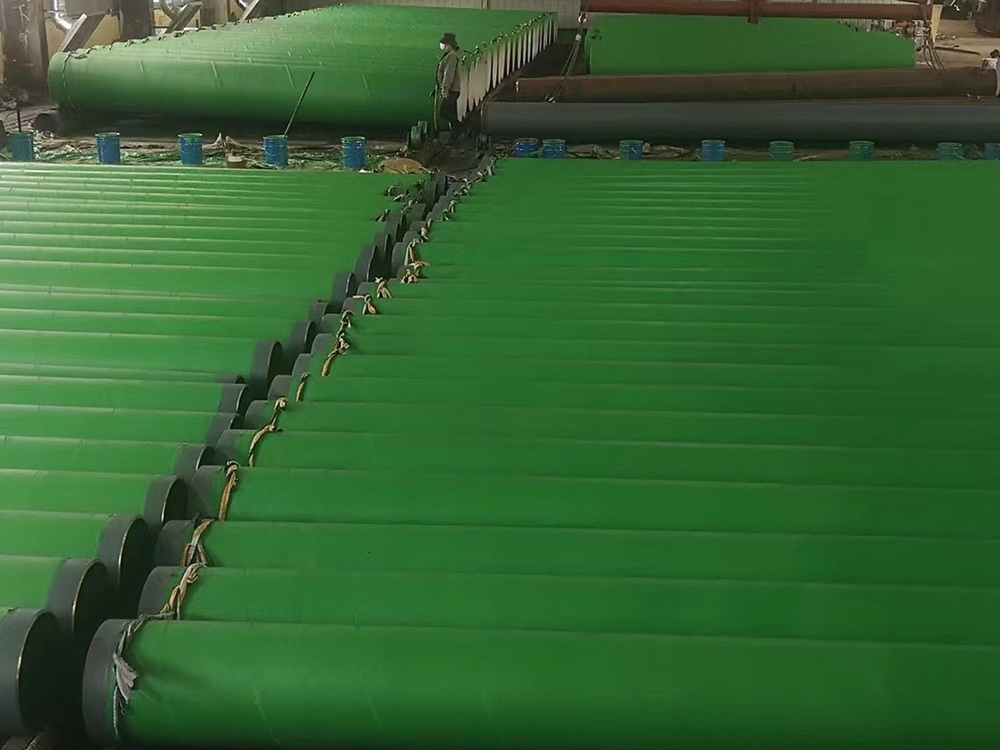
3PE Coated Steel Pipe vs. Traditional Steel: A Comprehensive Comparison for Underground Applications
Table of Contents
- Introduction to Steel Pipes
- What is 3PE Coated Steel Pipe?
- Understanding Traditional Steel Pipe
- Corrosion Resistance: 3PE vs. Traditional Steel
- Durability and Lifespan of Steel Pipes
- Installation and Transportation Efficiencies
- Cost Analysis: 3PE Coated vs. Traditional Steel
- Environmental Impact of Steel Pipes
- Frequently Asked Questions
- Conclusion
Introduction to Steel Pipes
Steel pipes form the backbone of many industries, particularly in construction and plumbing. When it comes to underground applications, the choice of pipe material can significantly influence longevity, performance, and overall project costs. Among the various options available, **3PE coated steel pipes** and **traditional steel pipes** stand out as two popular choices. This article explores their differences, helping you make an informed decision tailored to your project's needs.
What is 3PE Coated Steel Pipe?
**3PE** stands for **three-layer polyethylene**, a coating applied to steel pipes to enhance their durability and resistance to corrosion. The three layers consist of:
1. **Epoxy Primer**: The first layer is an epoxy primer that ensures strong adhesion to the steel surface, preventing rust and corrosion.
2. **Adhesive Layer**: The second layer is an adhesive that acts as a bonding agent between the epoxy and the outer polyethylene layer.
3. **Polyethylene Coating**: The outer layer of polyethylene provides additional protection against environmental factors, moisture, and abrasion.
3PE coated steel pipes are designed specifically for underground applications, where conditions can be harsh and corrosive. Their multi-layered structure significantly enhances their resistance to corrosion compared to traditional steel pipes.
Understanding Traditional Steel Pipe
Traditional steel pipes are manufactured from uncoated steel, which, while strong and durable, is more susceptible to corrosion, especially in underground environments. Common types include:
- **Carbon Steel Pipes**: Known for their strength and versatility but prone to rust without protective coatings.
- **Galvanized Steel Pipes**: Coated with zinc to prevent corrosion but can still corrode over time, especially if the coating is compromised.
Traditional steel pipes may be sufficient for above-ground applications, but their performance in underground installations is often limited by their susceptibility to rust and degradation when exposed to moisture or soil.
Corrosion Resistance: 3PE vs. Traditional Steel
Corrosion resistance is a critical factor when selecting pipes for underground use. The multi-layer coating of **3PE coated steel pipes** offers superior protection against corrosive elements present in soils and groundwater.
**3PE Coated Steel Pipe Advantages**:
- **Extended Lifespan**: The 3PE coating can double or even triple the lifespan of the pipe compared to traditional steel.
- **Reduced Maintenance**: Pipes require less frequent inspections and maintenance due to their high corrosion resistance.
**Traditional Steel Pipe Limitations**:
- **Rust Formation**: Without protective coatings, traditional steel pipes are prone to rust, which can lead to leaks and structural failures.
- **Higher Maintenance Costs**: Regular inspections and potential replacements can increase long-term costs for traditional steel pipe installations.
Durability and Lifespan of Steel Pipes
**Durability** is fundamental in determining the total cost of ownership for steel pipes. The lifespan of **3PE coated steel pipes** can range from 30 to 50 years, depending on environmental conditions and installation practices. This longevity is significantly influenced by their advanced coating technology.
In contrast, **traditional steel pipes** often have a lifespan of 10 to 20 years without a protective coating. Factors such as soil acidity, moisture levels, and temperature fluctuations can further reduce their lifespan.
Installation and Transportation Efficiencies
When considering installation and transportation, both pipe types have their advantages and challenges.
**3PE Coated Steel Pipe**:
- **Lightweight**: Compared to traditional steel pipes of the same diameter, 3PE pipes are often lighter, potentially reducing transportation costs.
- **Ease of Handling**: The robust coating makes them less susceptible to damage during transport and installation.
**Traditional Steel Pipe**:
- **Heavy and Bulky**: They may require more labor for handling and installation due to their weight, leading to increased labor costs.
- **Difficulties in Handling**: Corroded sections can be challenging to handle, potentially leading to safety concerns during installation.
Cost Analysis: 3PE Coated vs. Traditional Steel
When evaluating costs, it’s essential to consider both initial expenses and long-term savings.
**Initial Costs**:
- **3PE Coated Steel Pipes**: Higher initial costs due to the advanced coating process.
- **Traditional Steel Pipes**: Generally lower initial costs, making them attractive for budget-conscious projects.
**Long-Term Considerations**:
- **3PE Coated Steel**: The extended lifespan and reduced maintenance often result in lower total ownership costs over time.
- **Traditional Steel**: Frequent maintenance, repairs, and potential replacements can accumulate costs, making them less economical in the long run.
Environmental Impact of Steel Pipes
The environmental impact of steel pipes is becoming increasingly relevant in project planning.
**3PE Coated Steel Pipes**:
- **Sustainable Option**: The durability and longevity reduce the need for frequent replacements, leading to less waste.
- **Energy Efficient**: Their corrosion resistance minimizes the energy used in repairs and replacements.
**Traditional Steel Pipes**:
- **Greater Waste Generation**: More frequent replacements increase waste and can lead to environmental damage from leaks and spills.
- **Less Sustainable**: Their shorter lifespan contributes to a higher environmental footprint.
Frequently Asked Questions
1. What is the main advantage of 3PE coated steel pipes?
The primary advantage of **3PE coated steel pipes** is their exceptional resistance to corrosion, significantly extending their lifespan and reducing maintenance needs.
2. Are traditional steel pipes completely obsolete?
While traditional steel pipes are not obsolete, they are less suitable for underground applications where corrosion is a significant concern.
3. Can 3PE coated steel pipes be used above ground?
Yes, **3PE coated steel pipes** can be used above ground, but their primary benefits are realized in underground applications.
4. How do installation costs compare between the two pipe types?
While **3PE coated steel pipes** may have higher initial costs, their lighter weight and ease of handling can reduce overall installation costs.
5. What factors should be considered when choosing between the two pipe types?
Consider factors such as **corrosion resistance**, **lifespan**, **cost**, and **environmental impact** when choosing between **3PE coated steel pipes** and traditional steel pipes.
Conclusion
Choosing the right type of steel pipe for underground applications is crucial for ensuring reliable and long-lasting performance. **3PE coated steel pipes** provide significant advantages over traditional steel pipes, particularly in terms of corrosion resistance, durability, and long-term costs. As projects become increasingly focused on sustainability and efficiency, the benefits of 3PE coated steel pipes make them a compelling choice for any underground application. By understanding the differences and advantages of each option, professionals can make informed decisions that align with their project's needs and goals.
Blog

Understanding Polyurethane Direct Buried Insulation Pipes: A Comprehensive Guide
Polyurethane direct buried insulation pipes are specialized piping systems designed to transport fluids while minimizing heat loss. These pipes are particularly valuable in industries where temperature maintenance is crucial, such as metallurgy and energy. The insulation properties of polyurethane make these pipes ideal for applications that require a high level of thermal efficiency.
One of the p

Contact information
200 metres west of the south side of the intersection of Hope Avenue and Fenqi Road, Xindian Town, Mengcun Hui Zuzizhixian, Cangzhou City, Hebei Province, China


Message feedback
If you are interested in our products, please leave your email and we will contact you as soon as possible. Thank you!