
Understanding 3PE Anti-Corrosion Pipeline for Offshore Applications
2025-11-06
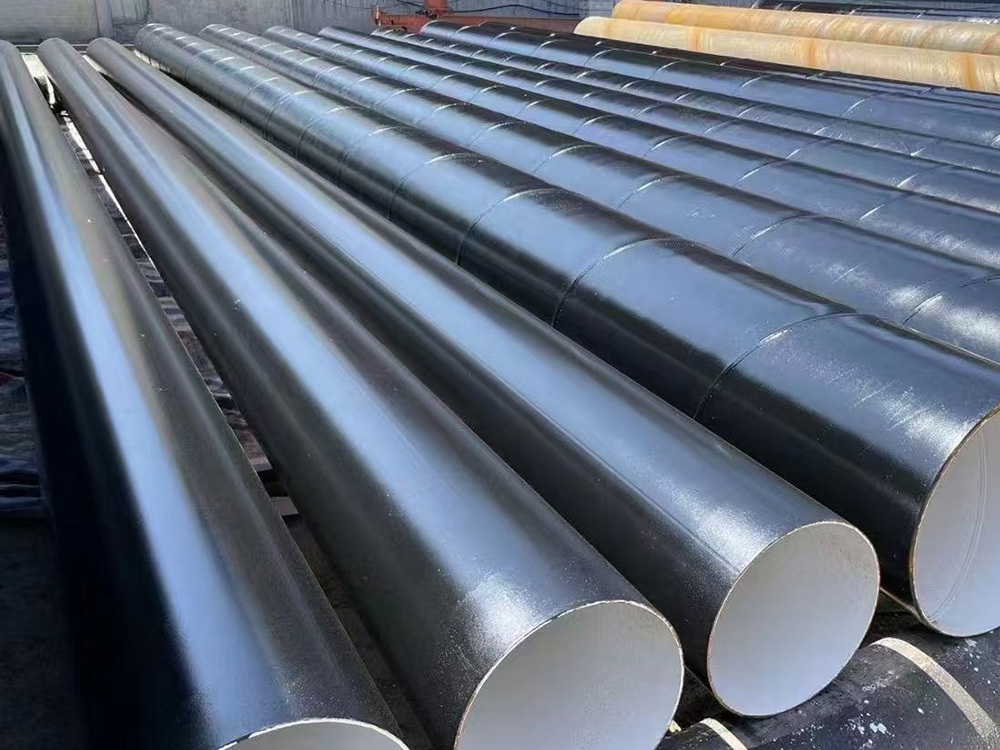
3PE (Three-Layer Polyethylene) anti-corrosion pipelines are an essential component in the industrial equipment and components sector, particularly for applications in offshore environments. These pipelines are engineered to withstand harsh conditions, including exposure to seawater, extreme temperatures, and aggressive chemicals, which makes them a preferred choice for offshore installations.
The construction of a 3PE pipeline consists of three distinct layers: a fusion-bonded epoxy (FBE) primer, an adhesive layer, and a top layer of polyethylene (PE). The FBE primer serves as the initial barrier, providing excellent adhesion to the steel substrate and offering protection against corrosion. The adhesive layer ensures a strong bond between the epoxy coating and the polyethylene layer, while the outer polyethylene layer acts as a robust shield against physical damage and environmental factors.
One of the significant advantages of 3PE anti-corrosion pipelines is their long-term durability. The three-layer system provides a comprehensive solution to combat corrosion, significantly extending the lifespan of the pipeline. This durability is particularly crucial in offshore applications, where maintenance can be challenging and costly. The resistance to water, chemicals, and UV radiation further enhances the longevity of these pipelines, making them a reliable choice for various industrial projects.
In addition to durability, 3PE pipelines are known for their ease of installation. The lightweight nature of the polyethylene top layer allows for simplified handling and transport, making it easier for installation teams to work in remote offshore locations. Furthermore, the pre-coated nature of these pipelines reduces the need for on-site coating processes, streamlining the project timeline and minimizing potential delays.
Another key aspect of 3PE pipelines is their environmental compatibility. These materials are designed to be non-toxic and resistant to leaching, which is essential for maintaining the integrity of marine ecosystems in offshore applications. The implementation of 3PE technology aligns with environmental regulations and best practices, ensuring that projects can proceed without adverse effects on the surrounding environment.
Moreover, 3PE anti-corrosion pipelines are versatile and can be used in various applications beyond offshore oil and gas operations. They are suitable for water distribution, sewage systems, and industrial processes where corrosion resistance is paramount. This versatility makes them an attractive option for contractors and engineers looking for reliable pipeline solutions.
In conclusion, 3PE anti-corrosion pipelines provide an innovative and effective solution for offshore applications, combining durability, ease of installation, and environmental responsibility. As the demand for reliable pipeline systems continues to grow, understanding the benefits and features of 3PE technology can help stakeholders make informed decisions in their projects.
Blog

Understanding Polyurethane Direct Buried Insulation Pipes: A Comprehensive Guide
Polyurethane direct buried insulation pipes are specialized piping systems designed to transport fluids while minimizing heat loss. These pipes are particularly valuable in industries where temperature maintenance is crucial, such as metallurgy and energy. The insulation properties of polyurethane make these pipes ideal for applications that require a high level of thermal efficiency.
One of the p

Contact information
200 metres west of the south side of the intersection of Hope Avenue and Fenqi Road, Xindian Town, Mengcun Hui Zuzizhixian, Cangzhou City, Hebei Province, China


Message feedback
If you are interested in our products, please leave your email and we will contact you as soon as possible. Thank you!