
Understanding 316L Stainless Steel Weld Neck Flange: Key Features and Applications
2025-11-30
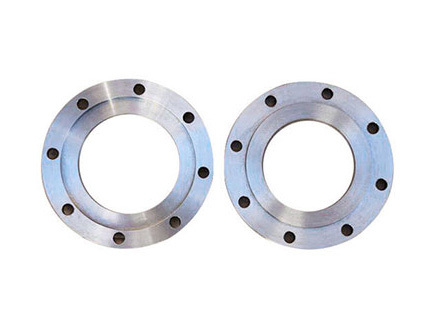
316L stainless steel weld neck flanges are essential components widely utilized in piping systems across various industries, including construction and decoration. Renowned for their durability and resistance to corrosion, these flanges are made from an alloy that contains a low carbon content, enhancing their overall strength and making them ideal for applications in harsh environments.
One of the foremost advantages of 316L stainless steel is its superior resistance to pitting and crevice corrosion, particularly in chloride environments. This characteristic makes it a preferred choice for marine, chemical, and food processing applications. For professionals in the building and decorative materials industry, understanding these properties is crucial when selecting the right flange for specific projects.
Weld neck flanges, in particular, are designed with a long tapered neck that allows for a smooth transition between the pipe and the flange. This design minimizes stress concentration and provides a robust joint when welded, making it suitable for high-pressure and high-temperature applications. The geometry of the weld neck flange ensures that it can withstand significant loads, making it an ideal choice for structural applications in buildings and infrastructure.
Another aspect to consider is the ease of installation and maintenance. The design of 316L stainless steel weld neck flanges allows for straightforward welding processes, ensuring a tight seal that can withstand vibrations and thermal expansions. Additionally, the low maintenance requirements associated with stainless steel products contribute to long-term cost-effectiveness, a crucial factor for many construction projects.
In terms of applications, 316L stainless steel weld neck flanges are versatile, serving in various sectors such as oil and gas, pharmaceuticals, and power generation. Their ability to maintain integrity under extreme conditions makes them suitable for critical applications where failure is not an option.
For professionals seeking to enhance project reliability and safety, it is essential to ensure that the correct specifications for 316L stainless steel weld neck flanges are adhered to. Understanding factors such as pressure ratings, temperature tolerances, and compatibility with other materials in the system is vital for optimal performance.
In conclusion, 316L stainless steel weld neck flanges are a critical component in modern piping systems, offering exceptional durability and performance. By selecting these flanges for construction and decorative materials applications, professionals can ensure the longevity and safety of their projects, ultimately leading to successful outcomes.
Blog

Understanding Polyurethane Direct Buried Insulation Pipes: A Comprehensive Guide
Polyurethane direct buried insulation pipes are specialized piping systems designed to transport fluids while minimizing heat loss. These pipes are particularly valuable in industries where temperature maintenance is crucial, such as metallurgy and energy. The insulation properties of polyurethane make these pipes ideal for applications that require a high level of thermal efficiency.
One of the p

Contact information
200 metres west of the south side of the intersection of Hope Avenue and Fenqi Road, Xindian Town, Mengcun Hui Zuzizhixian, Cangzhou City, Hebei Province, China


Message feedback
If you are interested in our products, please leave your email and we will contact you as soon as possible. Thank you!