
Exploring the Differences Between Spectacle Blind Flanges and Other Flange Types: A Comprehensive Guide
2025-12-04
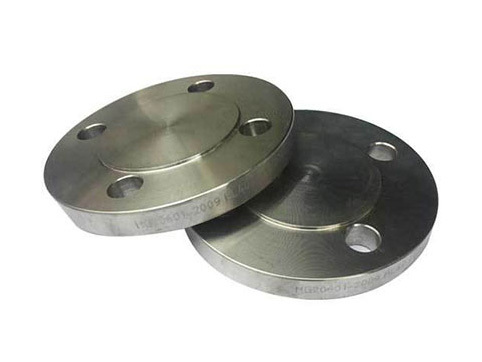
Exploring the Differences Between Spectacle Blind Flanges and Other Flange Types
Table of Contents
1. Introduction to Flanges in Piping Systems
2. What Are Spectacle Blind Flanges?
2.1 Definition and Design
2.2 Material Composition
3. Common Types of Flanges in the Industry
3.1 Weld Neck Flanges
3.2 Slip-On Flanges
3.3 Blind Flanges
3.4 Threaded Flanges
4. Differences Between Spectacle Blind Flanges and Other Flange Types
4.1 Functional Differences
4.2 Installation and Maintenance
4.3 Safety Considerations
5. Applications and Use Cases
5.1 Industries Utilizing Spectacle Blind Flanges
5.2 Comparison of Applications Across Flange Types
6. Advantages of Using Spectacle Blind Flanges
7. Disadvantages and Limitations
8. Frequently Asked Questions
9. Conclusion
1. Introduction to Flanges in Piping Systems
Flanges are critical components in piping systems, serving as connectors between pipes or sections of pipes. Their design and functionality can vary significantly based on their intended application. Flanges provide a reliable means to create joints and facilitate maintenance, making them indispensable in various industries. In this article, we will explore the distinctions between **spectacle blind flanges** and other flange types, examining their design, functionality, and applications.
2. What Are Spectacle Blind Flanges?
2.1 Definition and Design
A spectacle blind flange is a specialized type of flange that consists of a round plate with a pair of holes: one for bolting to a pipe and the other for blocking the flow of fluid. The design resembles a pair of spectacles, hence the name. This unique shape allows for easy installation and removal in applications where temporary isolation of a pipeline is necessary.
2.2 Material Composition
Typically made from materials such as **stainless steel**, **carbon steel**, or **alloy steel**, spectacle blind flanges are engineered to withstand high pressure and temperature conditions. The choice of material is crucial, as it impacts durability, corrosion resistance, and overall performance in various environments.
3. Common Types of Flanges in the Industry
Understanding various flange types is essential for making informed decisions in piping applications. Below are some of the most common types of flanges used in different industries.
3.1 Weld Neck Flanges
Weld neck flanges are designed with a long tapered neck that is welded to the pipe. This design provides a strong connection and is ideal for high-stress applications.
3.2 Slip-On Flanges
Slip-on flanges are placed over the pipe and welded in place, providing flexibility and ease of installation. They are commonly used in low-pressure applications.
3.3 Blind Flanges
Blind flanges are solid discs used to close the end of a pipeline. They are essential for maintenance and testing and can withstand high pressure.
3.4 Threaded Flanges
Threaded flanges feature internal threads that allow them to be screwed onto the pipe. This type is useful in applications where welding is not feasible.
4. Differences Between Spectacle Blind Flanges and Other Flange Types
The differences between spectacle blind flanges and other types can be categorized into several key areas.
4.1 Functional Differences
Spectacle blind flanges are uniquely designed for temporary isolation and can be removed or replaced easily. In contrast, other flange types like weld neck flanges are designed for permanent connections.
4.2 Installation and Maintenance
Installation of spectacle blind flanges is straightforward, as they can be easily bolted into place. In comparison, the installation of other types might require welding or specialized tools, complicating maintenance tasks.
4.3 Safety Considerations
When it comes to safety, spectacle blind flanges provide distinct advantages. Their design minimizes the risk of leaks, making them suitable for high-pressure environments. Other flanges may not offer the same level of assurance depending on their design and application.
5. Applications and Use Cases
The application of spectacle blind flanges varies across industries, and understanding these use cases can aid in selecting the right flange type.
5.1 Industries Utilizing Spectacle Blind Flanges
Spectacle blind flanges are widely used in industries such as **oil and gas**, **chemical processing**, and **water treatment**. Their ability to isolate sections of a pipeline makes them valuable for maintenance and safety.
5.2 Comparison of Applications Across Flange Types
While spectacle blind flanges excel in isolation applications, other flanges like weld neck and slip-on flanges are frequently employed for permanent connections in high-stress environments.
6. Advantages of Using Spectacle Blind Flanges
The advantages of spectacle blind flanges extend beyond their unique design. Some of the key benefits include:
- **Ease of Installation**: Their design allows for quick installation and removal, facilitating maintenance.
- **Cost-Effectiveness**: Utilizing spectacle blind flanges can reduce downtime and labor costs associated with maintenance.
- **Safety and Reliability**: Their ability to provide a tight seal minimizes risks associated with leaks and failures.
7. Disadvantages and Limitations
Despite their advantages, spectacle blind flanges do come with certain limitations.
- **Not Suitable for Permanent Joints**: They are not intended for permanent connections, making them less versatile than other flange types.
- **Material Limitations**: Depending on the chosen material, they may not be suitable for all environments, particularly those involving extreme temperatures or corrosive substances.
8. Frequently Asked Questions
**Q1: What is the main function of a spectacle blind flange?**
A: The primary function of a spectacle blind flange is to provide temporary isolation in piping systems, allowing for maintenance without shutting down the entire system.
**Q2: Where can I use spectacle blind flanges?**
A: They are commonly used in industries such as oil and gas, chemical processing, and water treatment, particularly in applications requiring isolation.
**Q3: How do spectacle blind flanges compare to standard blind flanges?**
A: Unlike standard blind flanges, which are solid discs, spectacle blind flanges offer the added capability of being easily removed or replaced, making them more versatile for maintenance purposes.
**Q4: Can spectacle blind flanges be used in high-pressure applications?**
A: Yes, spectacle blind flanges are designed to withstand high-pressure conditions, making them suitable for various demanding applications.
**Q5: What materials are spectacle blind flanges typically made from?**
A: They are usually constructed from materials such as stainless steel, carbon steel, or alloy steel, chosen for their strength and resistance to corrosion.
9. Conclusion
Understanding the differences between spectacle blind flanges and other flange types is crucial for professionals in the construction and piping industries. Their unique design offers significant advantages, particularly in maintenance and safety applications. By evaluating the specific requirements of your project, you can make informed decisions about which flange type is best suited for your needs. Spectacle blind flanges stand out for their functionality and ease of use, ensuring that your piping system operates efficiently and safely.
Blog

Understanding Polyurethane Direct Buried Insulation Pipes: A Comprehensive Guide
Polyurethane direct buried insulation pipes are specialized piping systems designed to transport fluids while minimizing heat loss. These pipes are particularly valuable in industries where temperature maintenance is crucial, such as metallurgy and energy. The insulation properties of polyurethane make these pipes ideal for applications that require a high level of thermal efficiency.
One of the p

Contact information
200 metres west of the south side of the intersection of Hope Avenue and Fenqi Road, Xindian Town, Mengcun Hui Zuzizhixian, Cangzhou City, Hebei Province, China


Message feedback
If you are interested in our products, please leave your email and we will contact you as soon as possible. Thank you!