
Exploring the Comprehensive Process of Manufacturing 3PE Coated Steel Pipes for Pipelines
2025-12-12

Exploring the Comprehensive Process of Manufacturing 3PE Coated Steel Pipes for Pipelines
Table of Contents
- Introduction to 3PE Coated Steel Pipes
- Importance of 3PE Coated Steel Pipes in Pipeline Construction
- Materials Used in Manufacturing 3PE Coated Steel Pipes
- The Step-by-Step Manufacturing Process
- Pipe Production
- Surface Preparation and Cleaning
- Coating Application Process
- Curing and Cooling Processes
- Quality Control Measures
- Applications of 3PE Coated Steel Pipes
- Environmental Impact and Sustainability
- Conclusion
- Frequently Asked Questions
Introduction to 3PE Coated Steel Pipes
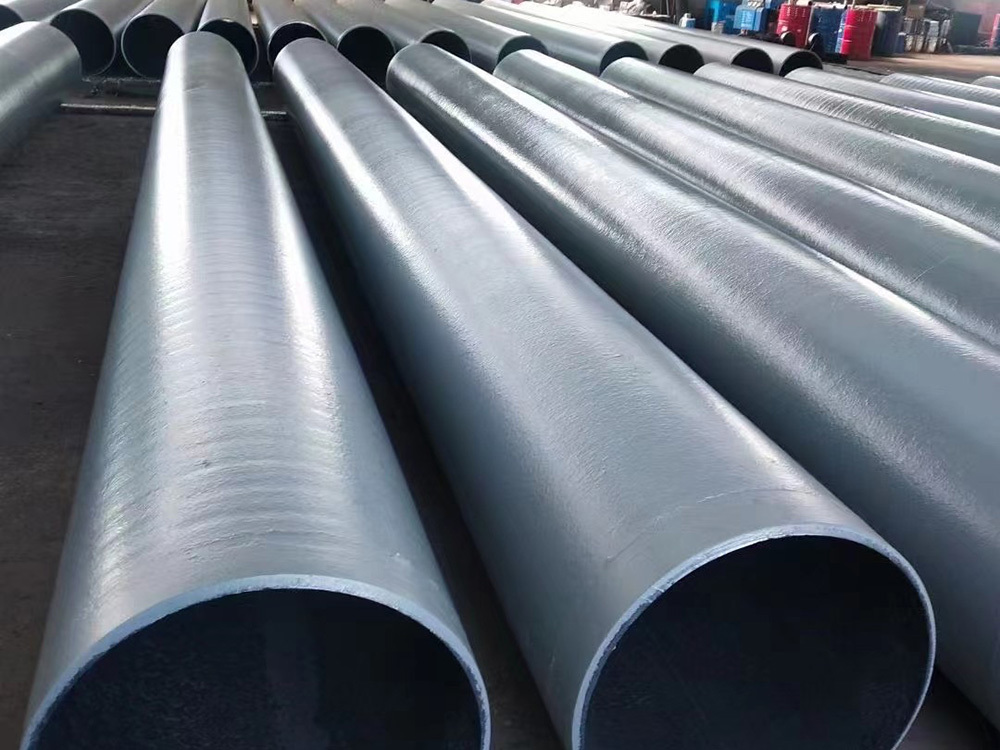
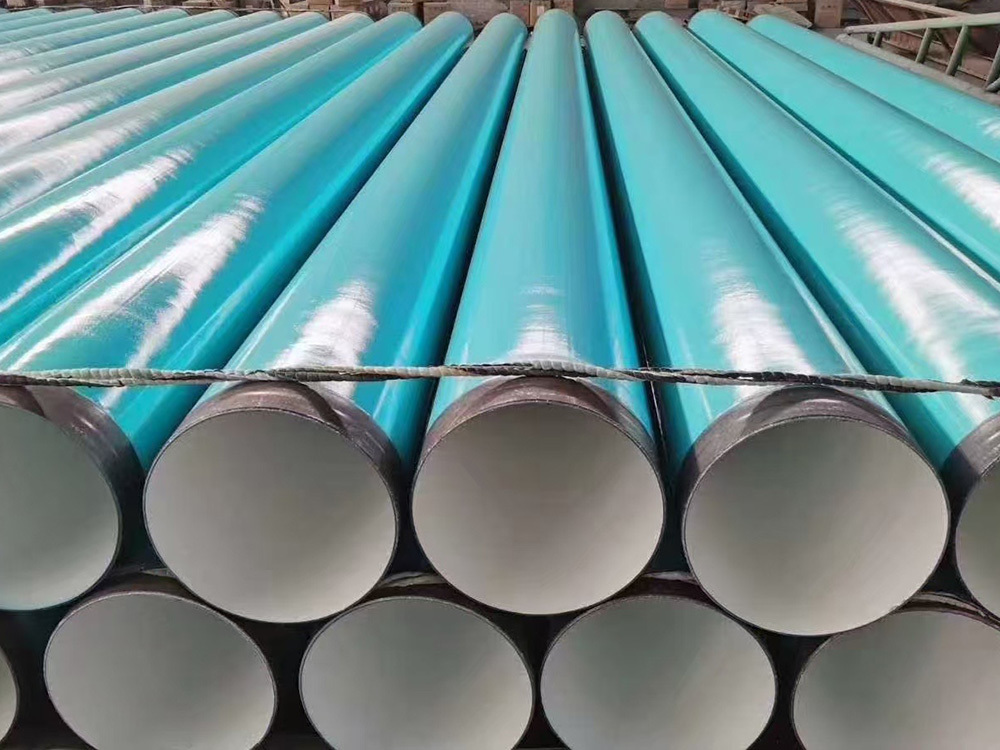
The world of pipeline construction relies heavily on the durability and reliability of the materials used. Among these, **3PE coated steel pipes** stand out due to their exceptional resistance to corrosion and mechanical damage. This coating method employs a **triple-layer system** consisting of an adhesive layer, a polyethylene layer, and a protective outer layer, making these pipes ideal for various applications, particularly in the oil and gas industry.
Importance of 3PE Coated Steel Pipes in Pipeline Construction
3PE coated steel pipes are crucial for ensuring the longevity and integrity of pipelines. The **three-layer polyethylene** coating provides a formidable barrier against external elements, including moisture, chemicals, and other corrosive substances. This resistance not only extends the lifespan of the pipes but also significantly reduces maintenance costs over time, making them a preferred choice for pipeline projects worldwide.
Materials Used in Manufacturing 3PE Coated Steel Pipes
The manufacturing of 3PE coated steel pipes involves a variety of high-quality materials. The primary components include:
- **Carbon Steel**: The base material for the pipes, known for its strength and durability.
- **Adhesive**: A specially formulated compound that ensures the polyethylene layers bond effectively to the steel surface.
- **Polyethylene**: Used in various thicknesses, this material provides the essential protective coating.
- **Additives**: Various chemical additives may be included to enhance the properties of the coatings, providing additional benefits like UV resistance and enhanced adhesion.
The Step-by-Step Manufacturing Process
The manufacturing process of 3PE coated steel pipes is intricate and requires precision. Each stage must be meticulously executed to guarantee the final product meets industry standards.
Pipe Production
The process begins with the production of the steel pipes. **Hot rolled steel sheets** or coils are cut and shaped into pipes using methods such as **seamless or welded techniques**. These methods ensure that the pipes possess the required strength and dimensions necessary for their intended applications.
Surface Preparation and Cleaning
Once the pipes are produced, they undergo rigorous cleaning to eliminate any contaminants, such as rust, oil, and dirt. This is crucial for the subsequent coating process. **Sandblasting** or **chemical cleaning** methods are often employed to achieve a surface that allows for optimal adhesion of the coating materials.
Coating Application Process
The 3PE coating process involves several critical steps:
Adhesion Layer Application
The first stage of the coating involves applying an **adhesion layer** to the cleaned steel surface. This layer is a thick, viscous material that promotes strong bonding between the steel and the polyethylene layers.
Polyethylene Layer Application
Following the adhesion layer, the **polyethylene layers** are applied. This is typically done through a method known as **extrusion coating**, where molten polyethylene is uniformly applied over the adhesion layer, ensuring complete coverage and thickness consistency.
Curing and Cooling Processes
After the polyethylene has been applied, the coated pipes must undergo a **curing process**. This step involves heating the pipes to specific temperatures to ensure that the coatings fully bond and solidify. Once cured, the pipes are allowed to cool, ensuring the integrity of the coating is maintained.
Quality Control Measures
Quality control is paramount in the manufacturing process of 3PE coated steel pipes. Several tests are conducted to ensure the pipes meet industry standards, including:
- **Adhesion tests** to verify the strength of the bond between the layers.
- **Thickness measurements** of the coatings to ensure consistency.
- **Environmental exposure tests** to assess the durability of the pipes under various conditions.
Applications of 3PE Coated Steel Pipes
3PE coated steel pipes are utilized across various industries, including:
- **Oil and Gas Pipelines**: Providing safe and efficient transportation of hydrocarbons.
- **Water Supply Systems**: Ensuring a reliable supply of potable water.
- **Industrial Applications**: Used in chemical plants and manufacturing facilities where corrosion resistance is crucial.
Environmental Impact and Sustainability
Manufacturing 3PE coated steel pipes also considers environmental sustainability. The materials used are often recyclable, and modern manufacturing techniques aim to minimize waste and energy consumption. Furthermore, the durability of these pipes reduces the need for replacements, contributing to a lower overall environmental footprint.
Conclusion
The process of manufacturing 3PE coated steel pipes is a detailed and precise endeavor, crucial for producing reliable pipeline materials. The combination of advanced materials and innovative techniques results in pipes that are not only durable but also environmentally sustainable. As industries continue to evolve, the importance of robust pipeline solutions will only grow, solidifying the role of 3PE coated steel pipes in future projects.
Frequently Asked Questions
1. What are 3PE coated steel pipes used for?
3PE coated steel pipes are primarily used in pipeline construction for oil, gas, and water transfer, providing excellent corrosion resistance.
2. How does the 3PE coating process improve pipe durability?
The 3PE coating process involves applying multiple layers that protect the steel from environmental factors, significantly enhancing its durability and lifespan.
3. Are 3PE coated steel pipes environmentally friendly?
Yes, the materials used in 3PE coated steel pipes are often recyclable, and the durability of these pipes reduces the frequency of replacements, promoting sustainability.
4. What quality control measures are taken in the manufacturing process?
Quality control includes adhesion tests, thickness measurements, and environmental exposure tests to ensure the pipes meet industry standards.
5. Can 3PE coated steel pipes be used in extreme weather conditions?
Absolutely, 3PE coated steel pipes are designed to withstand extreme weather conditions, making them suitable for use in diverse environments.
Blog

Understanding Polyurethane Direct Buried Insulation Pipes: A Comprehensive Guide
Polyurethane direct buried insulation pipes are specialized piping systems designed to transport fluids while minimizing heat loss. These pipes are particularly valuable in industries where temperature maintenance is crucial, such as metallurgy and energy. The insulation properties of polyurethane make these pipes ideal for applications that require a high level of thermal efficiency.
One of the p
Contact information
200 metres west of the south side of the intersection of Hope Avenue and Fenqi Road, Xindian Town, Mengcun Hui Zuzizhixian, Cangzhou City, Hebei Province, China


Message feedback
If you are interested in our products, please leave your email and we will contact you as soon as possible. Thank you!