
Understanding Polyurethane Direct Buried Insulation Pipes for Optimal Performance
2025-12-24
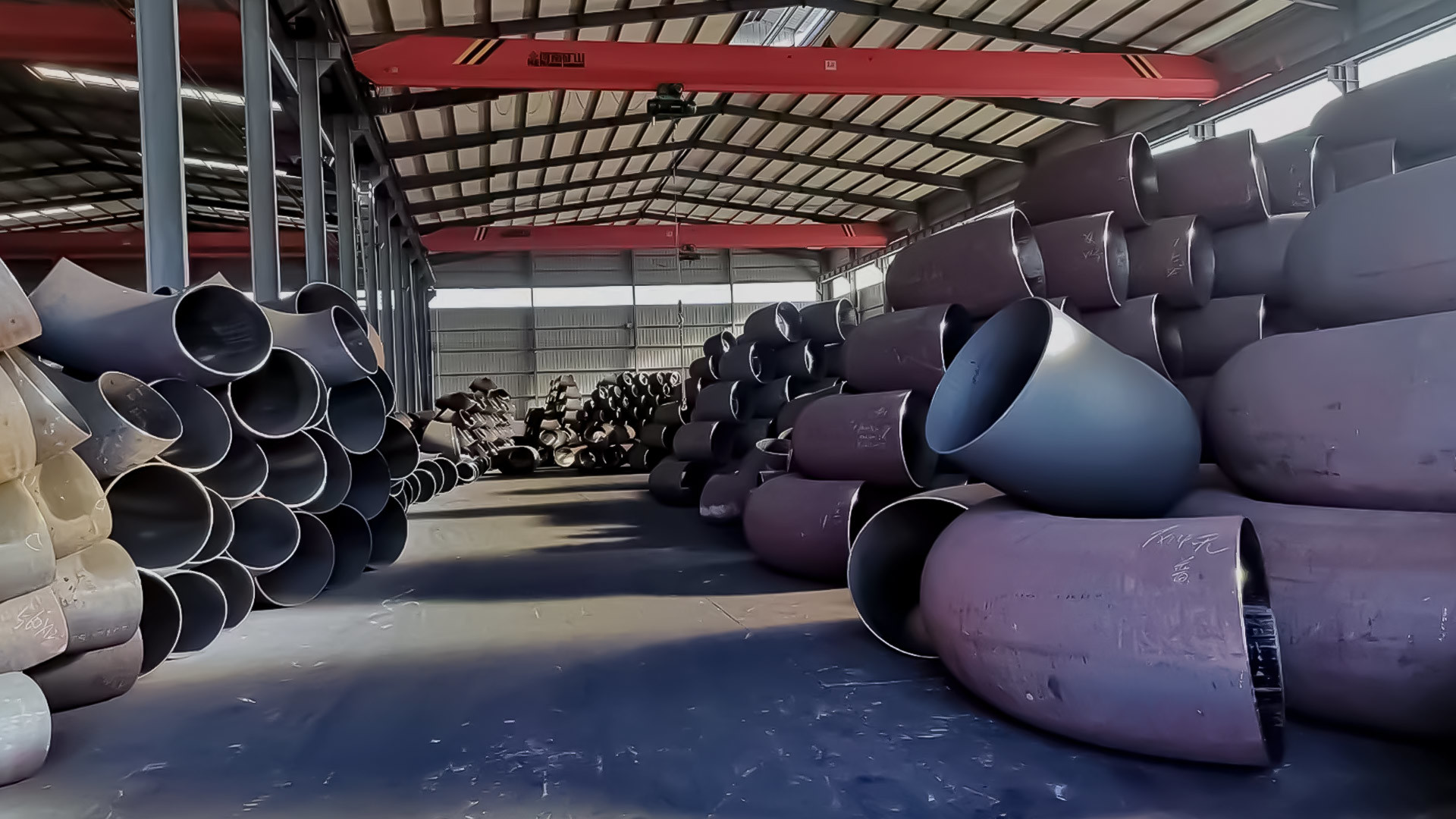
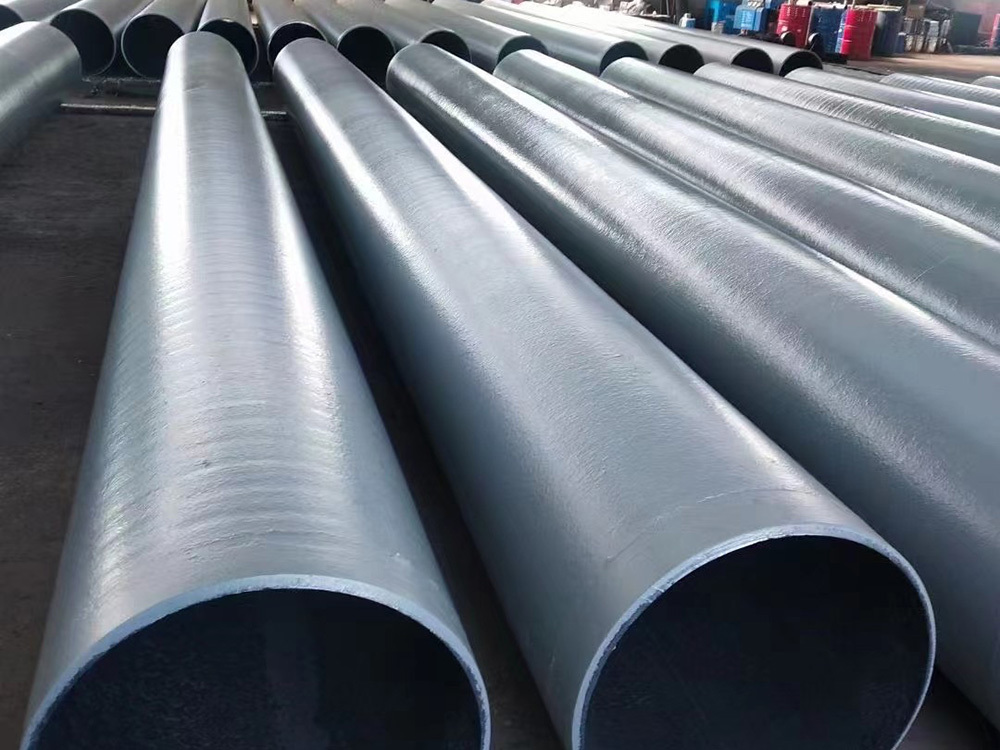
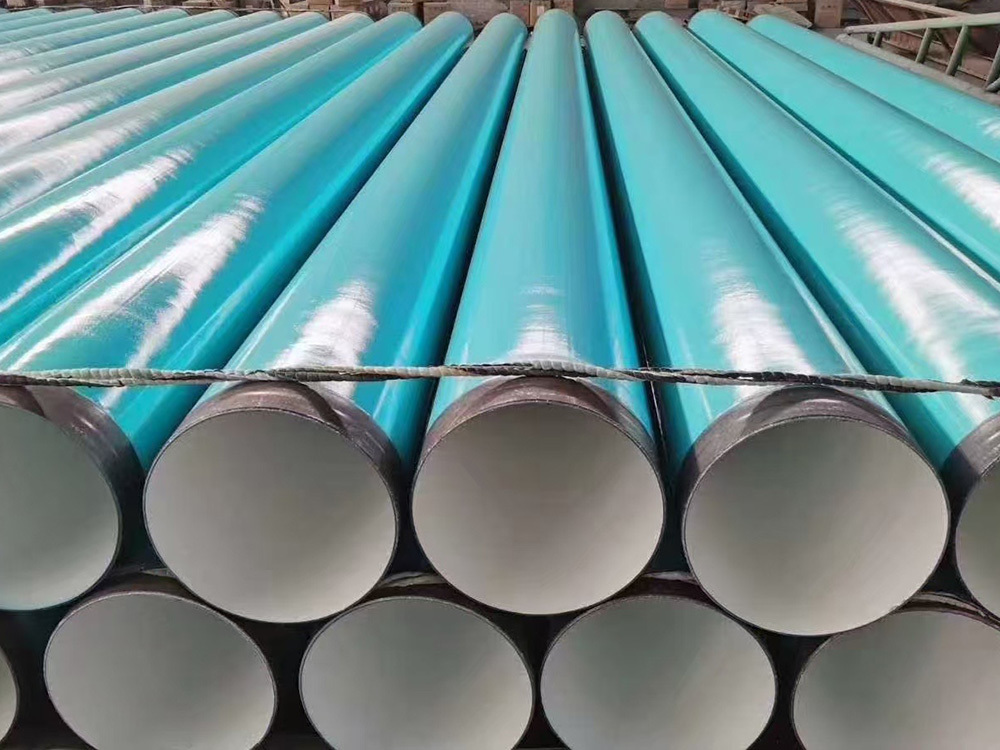
Polyurethane direct buried insulation pipes have become increasingly popular in various industries, particularly in metallurgy, mining, and energy. This type of piping system is specifically designed to protect the transported fluids from extreme temperature fluctuations while minimizing heat loss during transit. The effectiveness of these pipes relies heavily on their unique insulation properties, which are achieved through the use of polyurethane materials.
One of the primary advantages of polyurethane direct buried insulation pipes is their exceptional thermal insulation capabilities. Polyurethane foam has a low thermal conductivity, which means it effectively retains heat within the piping system. This characteristic is crucial for applications involving the transmission of hot liquids, as it reduces energy consumption and enhances overall efficiency. By maintaining the desired temperature of the transported fluids, businesses can achieve significant cost savings and improve operational performance.
Moreover, these pipes are designed for direct burial, providing further benefits in terms of installation and maintenance. The direct burial aspect eliminates the need for additional protective casings, simplifying the installation process and reducing labor costs. This makes polyurethane direct buried insulation pipes an efficient and practical choice for projects where space is limited or where traditional piping systems may be difficult to install.
Durability is another critical factor that makes polyurethane direct buried insulation pipes a preferred choice. The materials used in their construction are resistant to environmental factors such as moisture, chemicals, and soil movement. This robustness ensures a longer service life and minimizes the need for frequent replacements or repairs, leading to reduced downtime and operational disruptions.
In addition to their insulation and durability benefits, polyurethane direct buried insulation pipes can also be designed to accommodate various sizes and specifications. This flexibility allows for their use in a wide range of applications, from district heating systems to industrial processes. As industries continue to seek efficient and reliable piping solutions, the versatility of these pipes makes them an attractive option.
In conclusion, understanding the features and benefits of polyurethane direct buried insulation pipes can significantly enhance decision-making for professionals in metallurgy, mining, and energy sectors. With their superior thermal performance, ease of installation, and robust durability, these pipes present a compelling solution for efficient fluid transportation. By incorporating this knowledge into your projects, you can optimize performance and contribute to the overall success of your operations.
Blog

Understanding Polyurethane Direct Buried Insulation Pipes: A Comprehensive Guide
Polyurethane direct buried insulation pipes are specialized piping systems designed to transport fluids while minimizing heat loss. These pipes are particularly valuable in industries where temperature maintenance is crucial, such as metallurgy and energy. The insulation properties of polyurethane make these pipes ideal for applications that require a high level of thermal efficiency.
One of the p

Contact information
200 metres west of the south side of the intersection of Hope Avenue and Fenqi Road, Xindian Town, Mengcun Hui Zuzizhixian, Cangzhou City, Hebei Province, China


Message feedback
If you are interested in our products, please leave your email and we will contact you as soon as possible. Thank you!