
How 3PE Coated Steel Pipes Can Reduce Maintenance Costs in Underground Systems
2026-01-23
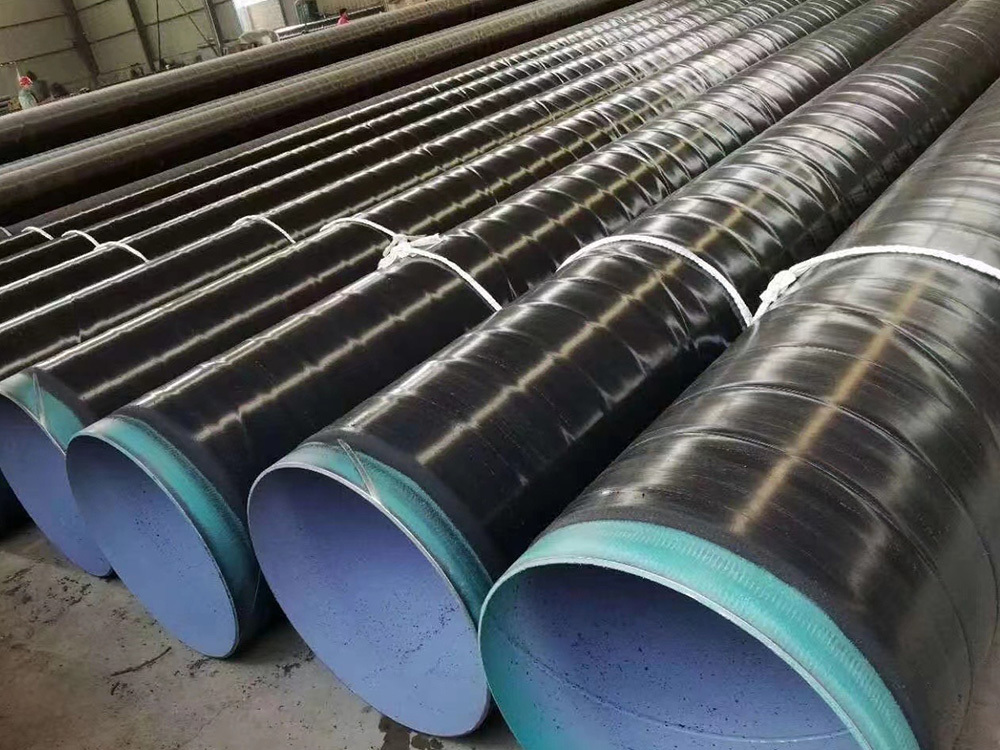
How 3PE Coated Steel Pipes Can Reduce Maintenance Costs in Underground Systems
Table of Contents
1. Introduction to 3PE Coated Steel Pipes
2. The Importance of Underground Systems in Construction
3. Understanding the 3PE Coating Process
3.1 What is 3PE Coating?
3.2 Benefits of 3PE Coating
4. Cost-Benefit Analysis of 3PE Coated Steel Pipes
4.1 Initial Investment vs. Long-Term Savings
4.2 Maintenance and Repair Costs
5. Applications of 3PE Coated Steel Pipes
5.1 Water and Wastewater Management
5.2 Oil and Gas Transportation
6. Environmental Impact of Using 3PE Coated Steel Pipes
7. Case Studies: Successful Implementation of 3PE Coated Steel Pipes
8. Conclusion
9. FAQs About 3PE Coated Steel Pipes
1. Introduction to 3PE Coated Steel Pipes
In the construction and infrastructure sectors, the material used for underground systems plays a crucial role in the overall longevity and operational efficiency of a project. Among the various options available, **3PE coated steel pipes** have emerged as a leading choice. These pipes offer exceptional resistance to corrosion and mechanical damage, which is vital for underground applications where conditions can be harsh and unpredictable.
2. The Importance of Underground Systems in Construction
Underground systems are integral to modern infrastructure, facilitating everything from water supply to telecommunications. The reliability and durability of these systems directly impact public health and safety. Therefore, investing in high-quality materials like 3PE coated steel pipes can lead to reduced operational disruptions and lower long-term costs.
3. Understanding the 3PE Coating Process
The **3PE (Three Layer Polyethylene)** coating process involves applying three distinct layers to steel pipes, ensuring a robust protective covering.
3.1 What is 3PE Coating?
The three layers consist of:
- **Epoxy Primer**: The first layer provides excellent adhesion and corrosion resistance.
- **Polyethylene Adhesive**: The second layer acts as a bonding agent between the epoxy and the outer polyethylene layer.
- **Polyethylene Outer Layer**: The final layer offers physical protection and additional resistance to environmental elements.
3.2 Benefits of 3PE Coating
The combination of these layers results in a **composite structure** that not only protects the steel from corrosion but also enhances its overall lifespan. The key benefits include superior resistance to moisture, chemicals, and mechanical stresses, making it ideal for underground applications.
4. Cost-Benefit Analysis of 3PE Coated Steel Pipes
When considering materials for underground systems, a comprehensive cost-benefit analysis is essential. **3PE coated steel pipes** may have a higher initial purchase price compared to uncoated alternatives, but the long-term advantages far outweigh these costs.
4.1 Initial Investment vs. Long-Term Savings
While the upfront cost of 3PE coated pipes can be higher, their extended lifespan and reduced maintenance needs result in significant savings over time. Projects utilizing these pipes can often expect to see a return on investment within a few years due to decreased repair and replacement costs.
4.2 Maintenance and Repair Costs
Traditional pipes often require frequent inspections and repairs, which can add to the operational costs. In contrast, **3PE coated steel pipes** require less monitoring and maintenance, which not only saves money but also minimizes service interruptions.
5. Applications of 3PE Coated Steel Pipes
The versatility of 3PE coated steel pipes allows for a broad range of applications, enhancing their appeal to engineers and contractors.
5.1 Water and Wastewater Management
In water and wastewater management systems, the durability of 3PE coated pipes ensures that they can withstand the various stresses imposed by soil movement and chemical exposure. Their resistance to rust and corrosion is crucial in maintaining the integrity of water supply systems.
5.2 Oil and Gas Transportation
Similarly, in the oil and gas industry, the use of **3PE coated steel pipes** is essential for transporting corrosive substances safely. The protective layers mitigate the risk of leakage and environmental contamination, which can have dire consequences.
6. Environmental Impact of Using 3PE Coated Steel Pipes
Another consideration is the environmental implications. The use of durable materials like 3PE coated steel pipes not only leads to fewer replacements but also reduces waste. Additionally, these pipes can be recycled, contributing to a more sustainable construction approach.
7. Case Studies: Successful Implementation of 3PE Coated Steel Pipes
Numerous projects have successfully utilized 3PE coated steel pipes, showcasing their effectiveness. For example, a major urban water supply project reported a 30% reduction in maintenance costs over ten years after switching to 3PE coated pipes. Such evidence underscores the reliability and cost-efficiency of this material.
8. Conclusion
In conclusion, **3PE coated steel pipes** represent a smart investment for any underground system. Their unique coating process not only protects against environmental and mechanical threats but also leads to significant reductions in maintenance costs. As infrastructure demands grow, the adoption of these advanced materials will play a pivotal role in ensuring sustainable and efficient operations.
9. FAQs About 3PE Coated Steel Pipes
What is the lifespan of 3PE coated steel pipes?
Typically, 3PE coated steel pipes can last between 30 to 50 years, depending on the environmental conditions and application.
Are 3PE coated steel pipes resistant to all types of corrosion?
While 3PE coated pipes provide excellent resistance to most types of corrosion, extreme chemical environments may still pose a risk, and additional precautions should be considered.
How do 3PE coated steel pipes compare to other coating methods?
Compared to other methods such as FBE (Fusion Bonded Epoxy) or single-layer polyethylene, 3PE offers superior protection due to its multi-layer structure.
Can 3PE coated steel pipes be used for high-pressure applications?
Yes, 3PE coated steel pipes are suitable for high-pressure applications, as the robust coating enhances the structural integrity of the steel.
What maintenance is required for 3PE coated steel pipes?
Minimal maintenance is needed; however, periodic inspections for any physical damage to the outer layer are recommended to ensure optimal performance.
Overall, the adoption of **3PE coated steel pipes** in underground systems will not only reduce maintenance costs but also improve the longevity and reliability of essential infrastructure.
Blog

Understanding Polyurethane Direct Buried Insulation Pipes: A Comprehensive Guide
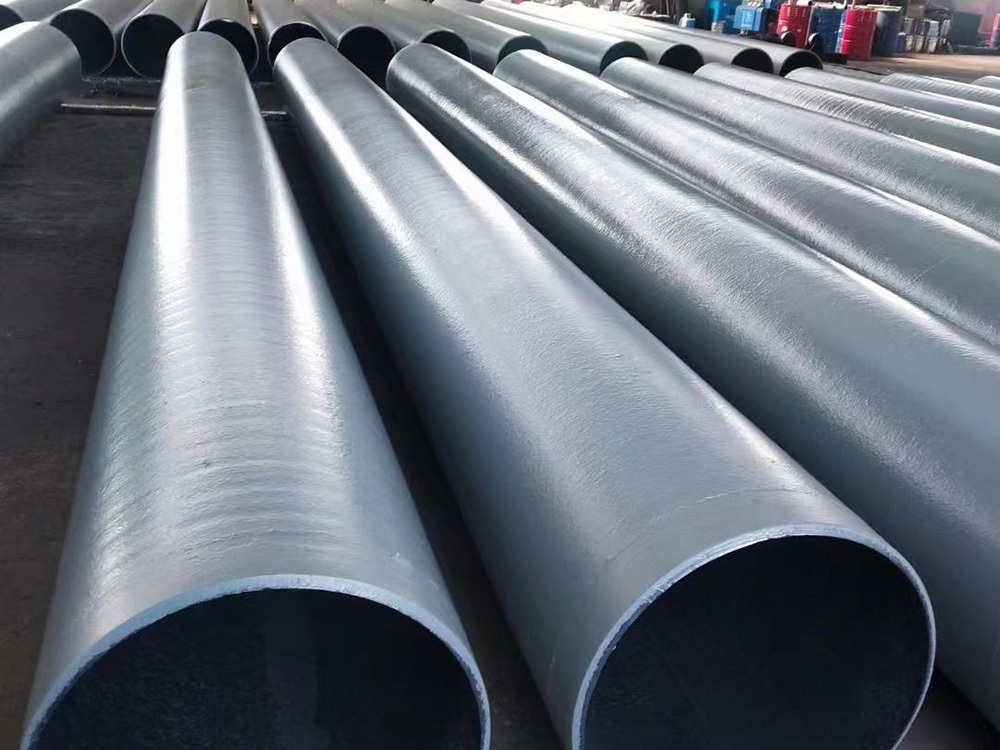
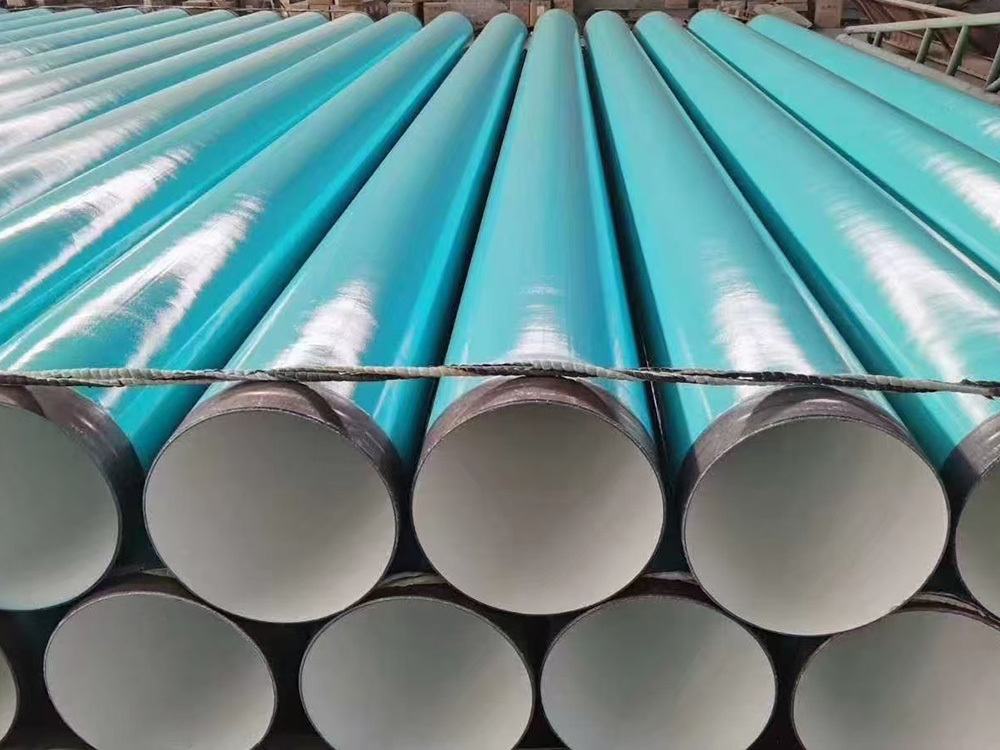
Polyurethane direct buried insulation pipes are specialized piping systems designed to transport fluids while minimizing heat loss. These pipes are particularly valuable in industries where temperature maintenance is crucial, such as metallurgy and energy. The insulation properties of polyurethane make these pipes ideal for applications that require a high level of thermal efficiency.
One of the p

Contact information
200 metres west of the south side of the intersection of Hope Avenue and Fenqi Road, Xindian Town, Mengcun Hui Zuzizhixian, Cangzhou City, Hebei Province, China


Message feedback
If you are interested in our products, please leave your email and we will contact you as soon as possible. Thank you!