
Enhancing Offshore Pipeline Integrity: The Role of 3PE Anti-Corrosion Coating
2026-01-29
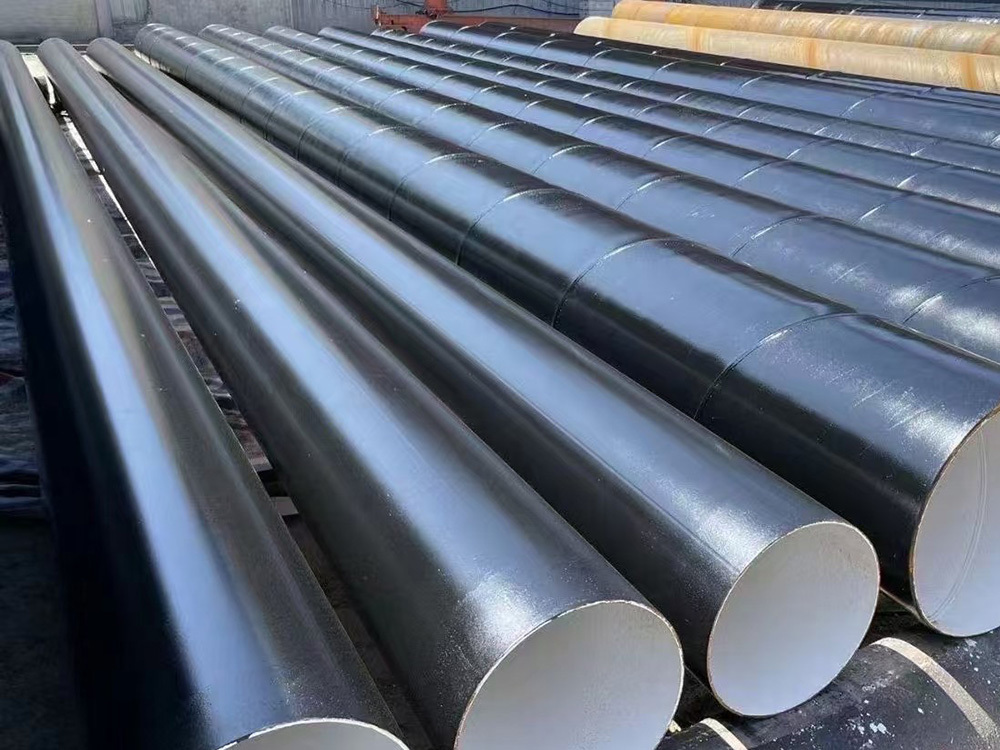
In the realm of industrial equipment and components, particularly in pipeline construction for offshore applications, the integrity and longevity of pipelines are paramount. One effective solution to combat corrosion, which is one of the primary threats to pipeline durability, is the use of 3PE anti-corrosion coatings. The term "3PE" stands for three-layer polyethylene, a coating system that consists of a fusion-bonded epoxy layer, a polypropylene adhesive layer, and a top layer of polyethylene.
The three layers work synergistically to provide robust protection against corrosive elements such as saltwater, moisture, and varying temperatures. The first layer, the fusion-bonded epoxy, acts as a strong barrier that adheres directly to the steel surface of the pipeline. It prevents moisture and environmental contaminants from penetrating the metal, effectively minimizing the risk of corrosion. The second layer, the adhesive, serves to bond the epoxy to the polyethylene, enhancing the overall adhesion and durability of the coating. Finally, the outer polyethylene layer provides additional mechanical protection and resistance to abrasion, ensuring that the coating endures the rigors of offshore environments.
One of the standout features of 3PE anti-corrosion pipelines is their resistance to cathodic disbondment, a common failure mode where the coating separates from the metal substrate due to electrochemical reactions. This resistance is crucial for offshore applications, where the risk of corrosion is significantly heightened due to the presence of seawater and aggressive marine conditions.
Furthermore, the application of 3PE coatings can substantially reduce maintenance costs over the pipeline's lifespan. By extending the life of the pipeline and minimizing the need for repairs or replacements, operators can save valuable resources and ensure a consistent and reliable flow of materials. This is particularly important in offshore oil and gas operations, where downtime can lead to significant financial losses.
It is also worth noting that the application process for 3PE coatings involves advanced techniques that ensure a uniform and thorough coverage of the pipeline. This meticulous approach not only enhances the effectiveness of the coating but also assures compliance with industry standards and regulations, which is essential for maintaining operational integrity.
In conclusion, 3PE anti-corrosion pipelines represent a sophisticated solution for protecting offshore pipelines from the relentless forces of corrosion. Their multi-layered structure offers exceptional protection, reduces maintenance costs, and enhances the overall reliability of pipeline systems. As the demand for energy continues to grow, investing in such advanced protective coatings will become increasingly vital for the sustainability and efficiency of offshore operations.
The three layers work synergistically to provide robust protection against corrosive elements such as saltwater, moisture, and varying temperatures. The first layer, the fusion-bonded epoxy, acts as a strong barrier that adheres directly to the steel surface of the pipeline. It prevents moisture and environmental contaminants from penetrating the metal, effectively minimizing the risk of corrosion. The second layer, the adhesive, serves to bond the epoxy to the polyethylene, enhancing the overall adhesion and durability of the coating. Finally, the outer polyethylene layer provides additional mechanical protection and resistance to abrasion, ensuring that the coating endures the rigors of offshore environments.
One of the standout features of 3PE anti-corrosion pipelines is their resistance to cathodic disbondment, a common failure mode where the coating separates from the metal substrate due to electrochemical reactions. This resistance is crucial for offshore applications, where the risk of corrosion is significantly heightened due to the presence of seawater and aggressive marine conditions.
Furthermore, the application of 3PE coatings can substantially reduce maintenance costs over the pipeline's lifespan. By extending the life of the pipeline and minimizing the need for repairs or replacements, operators can save valuable resources and ensure a consistent and reliable flow of materials. This is particularly important in offshore oil and gas operations, where downtime can lead to significant financial losses.
It is also worth noting that the application process for 3PE coatings involves advanced techniques that ensure a uniform and thorough coverage of the pipeline. This meticulous approach not only enhances the effectiveness of the coating but also assures compliance with industry standards and regulations, which is essential for maintaining operational integrity.
In conclusion, 3PE anti-corrosion pipelines represent a sophisticated solution for protecting offshore pipelines from the relentless forces of corrosion. Their multi-layered structure offers exceptional protection, reduces maintenance costs, and enhances the overall reliability of pipeline systems. As the demand for energy continues to grow, investing in such advanced protective coatings will become increasingly vital for the sustainability and efficiency of offshore operations.
Blog

Understanding Polyurethane Direct Buried Insulation Pipes: A Comprehensive Guide
Polyurethane direct buried insulation pipes are specialized piping systems designed to transport fluids while minimizing heat loss. These pipes are particularly valuable in industries where temperature maintenance is crucial, such as metallurgy and energy. The insulation properties of polyurethane make these pipes ideal for applications that require a high level of thermal efficiency.
One of the p

Contact information
200 metres west of the south side of the intersection of Hope Avenue and Fenqi Road, Xindian Town, Mengcun Hui Zuzizhixian, Cangzhou City, Hebei Province, China


Message feedback
If you are interested in our products, please leave your email and we will contact you as soon as possible. Thank you!