
The Future of Construction: Embracing 3PE Anti-Corrosion Steel Pipes
2026-02-02
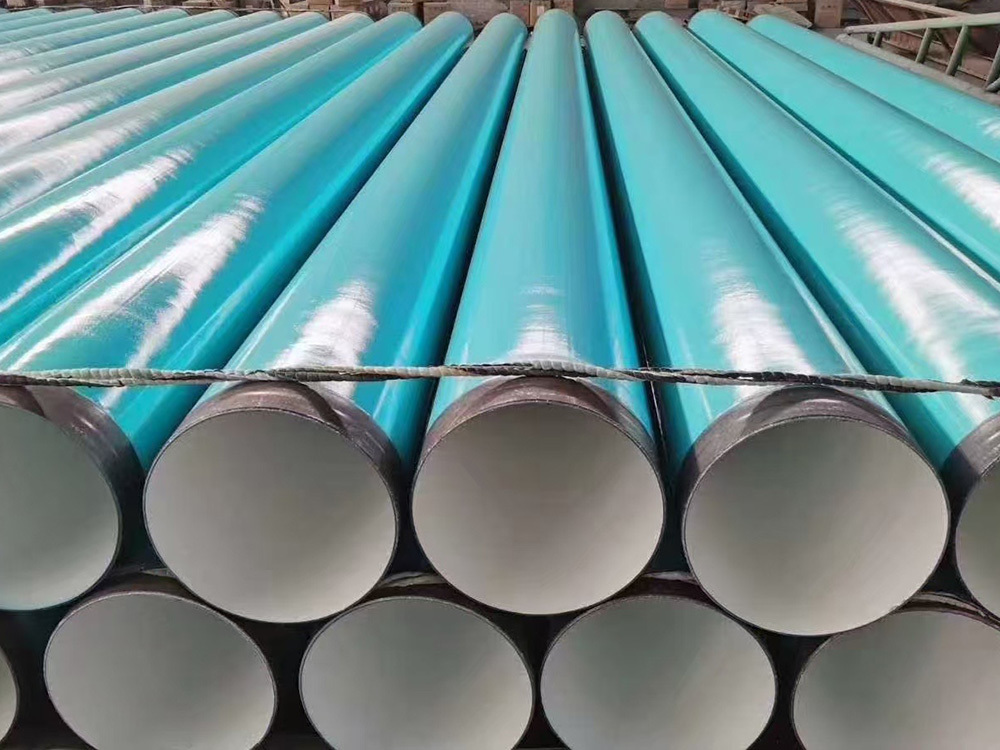
The Future of Construction: Embracing 3PE Anti-Corrosion Steel Pipes
Table of Contents
- 1. Introduction to 3PE Anti-Corrosion Steel Pipes
- 2. The Importance of Corrosion Resistance in Construction
- 3. What is 3PE Coating Technology?
- 4. Benefits of Using 3PE Anti-Corrosion Steel Pipes
- 5. Applications of 3PE Anti-Corrosion Steel Pipes
- 6. Future Trends in Construction Material Technology
- 7. Challenges and Considerations
- 8. Frequently Asked Questions
- 9. Conclusion: The Path Forward
1. Introduction to 3PE Anti-Corrosion Steel Pipes
The construction industry is on the brink of a transformation, focusing on materials that not only meet the demands of modern engineering but also provide sustainability and longevity. **3PE anti-corrosion steel pipes** are pioneering this shift, offering innovative solutions that enhance the durability and resilience of construction projects. This article delves into what 3PE steel pipes are, their significance in combating corrosion, and their various applications in the ever-evolving field of construction.
2. The Importance of Corrosion Resistance in Construction
Corrosion poses a significant challenge in the construction sector, leading to structural failure, safety hazards, and increased maintenance costs. As infrastructure ages, the need for materials that resist rust and deterioration becomes paramount. Corrosion can weaken steel structures, leading to catastrophic failures and jeopardizing safety. Therefore, utilizing materials that can withstand corrosive environments is essential for enhancing the lifespan of construction projects.
3. What is 3PE Coating Technology?
**3PE**, or **Three-Layer Polyethylene**, is a robust and innovative coating system designed to protect steel pipes from corrosion. This technology involves three distinct layers:
- **First Layer**: Fusion-bonded epoxy (FBE) is applied to the steel surface, providing an initial barrier against moisture and corrosive elements.
- **Second Layer**: A second layer of adhesive (typically a polyethylene) further enhances the bond between the pipe and the outer coating.
- **Third Layer**: The outermost layer of polyethylene provides excellent mechanical protection and additional resistance to environmental factors.
This multi-layering technique ensures that the steel pipes not only resist corrosion but also endure physical impacts and environmental stressors.
4. Benefits of Using 3PE Anti-Corrosion Steel Pipes
The advantages of 3PE anti-corrosion steel pipes are manifold, making them an attractive choice for modern construction.
4.1 Enhanced Durability and Longevity
3PE-coated pipes are engineered to last, providing a service life that significantly outstrips traditional steel pipes. The protective layers prevent rusting and degradation, ensuring that infrastructure remains safe and functional for decades.
4.2 Cost-Effectiveness Over Time
While the initial investment in 3PE anti-corrosion steel pipes may be higher compared to conventional materials, the long-term benefits are undeniable. Reduced maintenance costs, lower replacement frequencies, and extended service life contribute to overall savings in construction projects. This makes 3PE pipes a wise choice for budget-conscious builders.
4.3 Environmental Benefits
In an era where sustainability is paramount, 3PE-coated pipes offer an eco-friendly alternative to traditional materials. Their longevity reduces the need for frequent replacements, thereby minimizing waste and resource consumption. Furthermore, 3PE technology aligns with global efforts to reduce carbon footprints in construction and infrastructure projects.
5. Applications of 3PE Anti-Corrosion Steel Pipes
The versatility of 3PE anti-corrosion steel pipes makes them suitable for a wide range of applications across various sectors:
- **Water Supply Systems**: 3PE pipes are ideal for transporting potable water due to their corrosion resistance and non-toxic properties.
- **Gas Distribution**: The durability of these pipes in harsh environments makes them perfect for natural gas and oil distribution networks.
- **Sewage and Wastewater Management**: 3PE coatings prevent corrosive damage in sewage systems, ensuring safe and efficient disposal of waste.
- **Industrial Applications**: Factories and industrial plants benefit from the strength and longevity of 3PE pipes in their piping systems.
6. Future Trends in Construction Material Technology
As the construction industry evolves, the demand for advanced materials like 3PE anti-corrosion steel pipes is likely to surge. Here are some trends shaping the future:
- **Smart Materials**: The integration of technology in materials will lead to the development of "smart" pipes that can monitor their condition and detect leaks or corrosion early.
- **Sustainable Practices**: Companies are increasingly prioritizing sustainability in their material choices, which will drive innovation in eco-friendly coatings and treatments.
- **Regulatory Standards**: Stricter regulations on material safety and performance will further accelerate the adoption of high-quality, corrosion-resistant materials.
7. Challenges and Considerations
Despite their numerous advantages, there are challenges associated with the use of 3PE anti-corrosion steel pipes that stakeholders should consider:
- **Installation Techniques**: Proper installation is crucial for maximizing the benefits of 3PE pipes. Contractors need specialized knowledge and skills to ensure the integrity of the coating during installation.
- **Initial Cost**: The upfront cost may deter some contractors from choosing 3PE materials, despite the long-term savings.
- **Market Availability**: Not all regions have equal access to suppliers of 3PE-coated pipes, which can limit their widespread adoption.
8. Frequently Asked Questions
What is the lifespan of 3PE anti-corrosion steel pipes?
The typical lifespan of 3PE anti-corrosion steel pipes can exceed 50 years, depending on the environment and application.
Are 3PE pipes suitable for all types of environments?
Yes, 3PE pipes are designed to withstand a wide range of environmental conditions, including high humidity and aggressive soils.
How do 3PE coatings compare to other corrosion-resistant coatings?
3PE coatings provide superior protection compared to many other coatings, such as FBE alone, due to their multi-layered design.
Can 3PE-coated pipes be recycled?
Yes, the materials used in 3PE pipes can be recycled, contributing to their sustainability profile.
What industries benefit most from 3PE anti-corrosion steel pipes?
Industries such as water supply, gas distribution, sewage management, and various industrial applications benefit significantly from 3PE technology.
9. Conclusion: The Path Forward
The construction industry stands at a pivotal moment where the need for durable, sustainable materials has never been greater. **3PE anti-corrosion steel pipes** represent a significant advancement in construction technology, addressing both the challenges of corrosion and the demand for environmentally sustainable practices. As we embrace these innovative materials, the future of construction looks promising, filled with opportunities for enhanced safety, longevity, and sustainability. By investing in 3PE technology today, we are not just building structures; we are laying the groundwork for a resilient future.
Blog

Understanding Polyurethane Direct Buried Insulation Pipes: A Comprehensive Guide
Polyurethane direct buried insulation pipes are specialized piping systems designed to transport fluids while minimizing heat loss. These pipes are particularly valuable in industries where temperature maintenance is crucial, such as metallurgy and energy. The insulation properties of polyurethane make these pipes ideal for applications that require a high level of thermal efficiency.
One of the p

Contact information
200 metres west of the south side of the intersection of Hope Avenue and Fenqi Road, Xindian Town, Mengcun Hui Zuzizhixian, Cangzhou City, Hebei Province, China


Message feedback
If you are interested in our products, please leave your email and we will contact you as soon as possible. Thank you!