
Understanding Polyurethane Direct Buried Insulation Pipes: A Key Component in Metallurgy and Energy Industries
2026-02-06

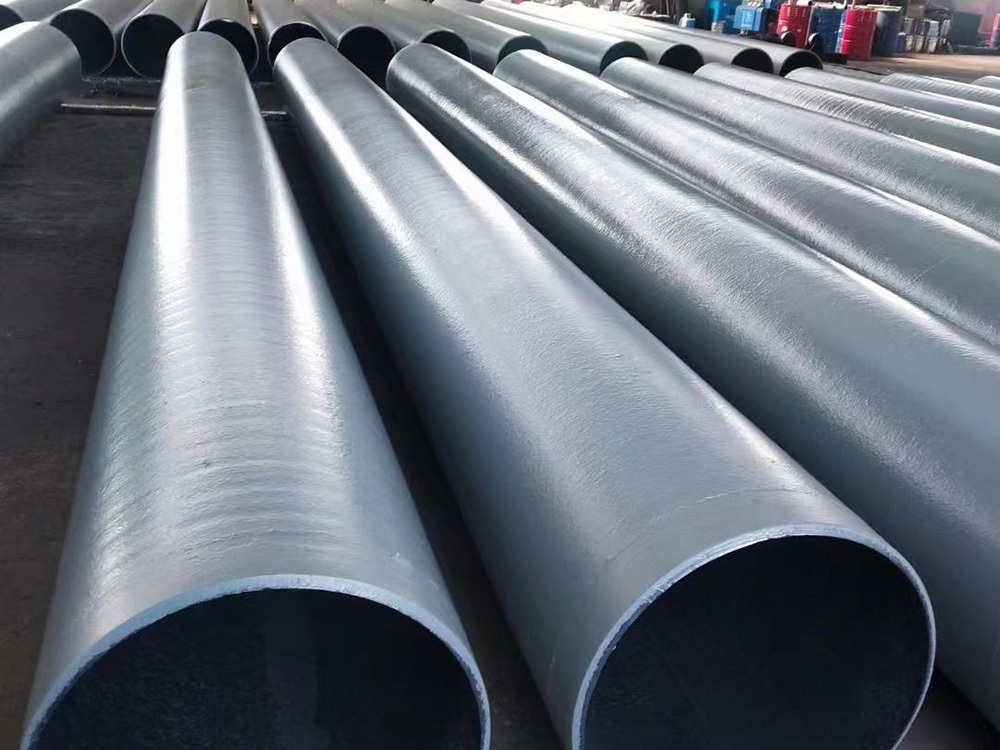
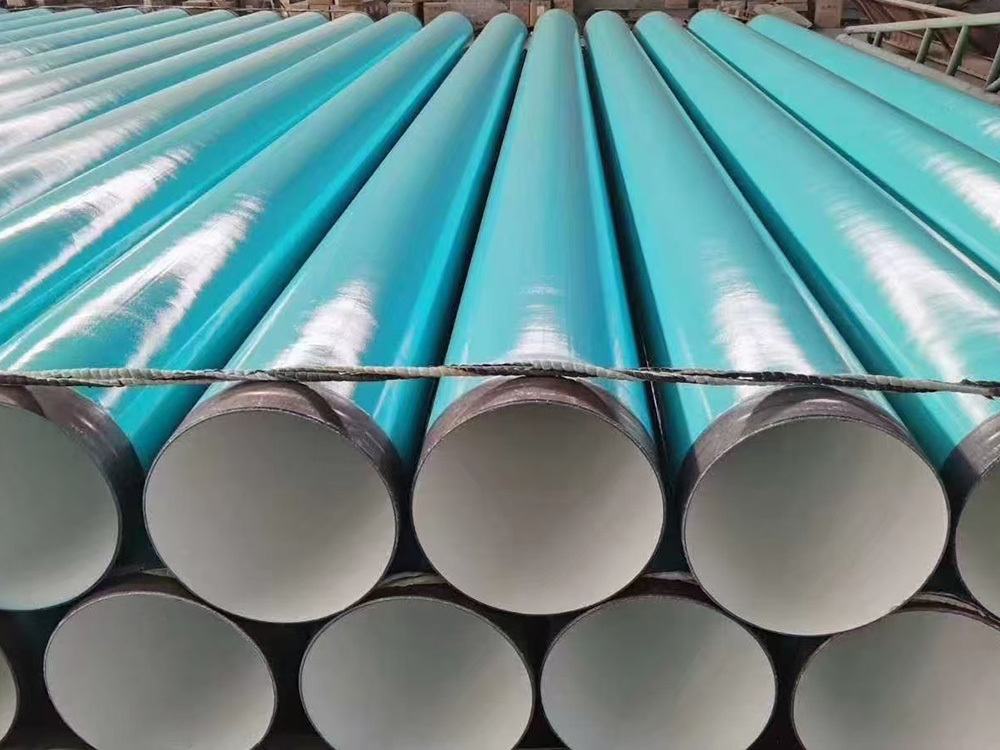
Polyurethane direct buried insulation pipes are increasingly recognized in the metallurgy and energy industries for their exceptional thermal insulation properties and durability. These pipes are designed to be installed directly underground, offering a practical solution for various applications, including hot water transportation, district heating systems, and other industrial processes requiring thermal efficiency.
One of the primary advantages of polyurethane insulation is its high thermal resistance. This attribute minimizes heat loss during transportation, ensuring that energy remains concentrated within the system. The insulation properties of polyurethane enable a reduced need for additional heating, which can lead to significant energy savings over time. Industries looking to enhance their energy efficiency often turn to these insulation pipes as a standard solution.
Moreover, the direct burial design of these pipes provides a level of protection against environmental factors. Polyurethane is known for its resilience against moisture, chemicals, and temperature fluctuations, allowing it to maintain integrity and performance even in challenging conditions. This characteristic makes it particularly suitable for applications in harsh climates or areas where external damage could jeopardize the efficiency of the insulation.
In addition to thermal performance, polyurethane direct buried insulation pipes boast lightweight and flexible features, which make them easier to install compared to traditional materials. Their adaptability facilitates quicker installation processes, potentially reducing downtime in industrial settings. This ease of installation translates into cost-effectiveness for businesses focused on optimizing their operations while managing installation expenses.
Furthermore, the lifespan of these insulation pipes is notable. Polyurethane materials are designed to withstand decay and degradation, which can lead to reduced maintenance costs and longer service life. By investing in polyurethane insulation, industries can avoid frequent replacements and repairs, contributing to overall operational efficiency.
In the context of environmental sustainability, the use of polyurethane insulation pipes also supports eco-friendly initiatives. Their energy-saving capabilities align with global efforts to reduce carbon footprints and promote sustainable practices within the metallurgy and energy sectors. By optimizing energy usage and minimizing waste, businesses can enhance their environmental responsibility while benefiting from improved operational performance.
In summary, polyurethane direct buried insulation pipes represent a significant advancement in insulation technology for the metallurgy and energy industries. With their superior thermal resistance, durability, and installation advantages, these pipes are a strategic choice for businesses aiming to improve efficiency, reduce costs, and contribute to sustainable practices. By integrating these innovative solutions into their operations, industries can achieve better results while addressing modern challenges in energy management and resource conservation.
One of the primary advantages of polyurethane insulation is its high thermal resistance. This attribute minimizes heat loss during transportation, ensuring that energy remains concentrated within the system. The insulation properties of polyurethane enable a reduced need for additional heating, which can lead to significant energy savings over time. Industries looking to enhance their energy efficiency often turn to these insulation pipes as a standard solution.
Moreover, the direct burial design of these pipes provides a level of protection against environmental factors. Polyurethane is known for its resilience against moisture, chemicals, and temperature fluctuations, allowing it to maintain integrity and performance even in challenging conditions. This characteristic makes it particularly suitable for applications in harsh climates or areas where external damage could jeopardize the efficiency of the insulation.
In addition to thermal performance, polyurethane direct buried insulation pipes boast lightweight and flexible features, which make them easier to install compared to traditional materials. Their adaptability facilitates quicker installation processes, potentially reducing downtime in industrial settings. This ease of installation translates into cost-effectiveness for businesses focused on optimizing their operations while managing installation expenses.
Furthermore, the lifespan of these insulation pipes is notable. Polyurethane materials are designed to withstand decay and degradation, which can lead to reduced maintenance costs and longer service life. By investing in polyurethane insulation, industries can avoid frequent replacements and repairs, contributing to overall operational efficiency.
In the context of environmental sustainability, the use of polyurethane insulation pipes also supports eco-friendly initiatives. Their energy-saving capabilities align with global efforts to reduce carbon footprints and promote sustainable practices within the metallurgy and energy sectors. By optimizing energy usage and minimizing waste, businesses can enhance their environmental responsibility while benefiting from improved operational performance.
In summary, polyurethane direct buried insulation pipes represent a significant advancement in insulation technology for the metallurgy and energy industries. With their superior thermal resistance, durability, and installation advantages, these pipes are a strategic choice for businesses aiming to improve efficiency, reduce costs, and contribute to sustainable practices. By integrating these innovative solutions into their operations, industries can achieve better results while addressing modern challenges in energy management and resource conservation.
Blog

Understanding Polyurethane Direct Buried Insulation Pipes: A Comprehensive Guide
Polyurethane direct buried insulation pipes are specialized piping systems designed to transport fluids while minimizing heat loss. These pipes are particularly valuable in industries where temperature maintenance is crucial, such as metallurgy and energy. The insulation properties of polyurethane make these pipes ideal for applications that require a high level of thermal efficiency.
One of the p

Contact information
200 metres west of the south side of the intersection of Hope Avenue and Fenqi Road, Xindian Town, Mengcun Hui Zuzizhixian, Cangzhou City, Hebei Province, China


Message feedback
If you are interested in our products, please leave your email and we will contact you as soon as possible. Thank you!