
Expert Installation Tips for 304L Stainless Steel Elbow in Residential Projects
2026-02-10
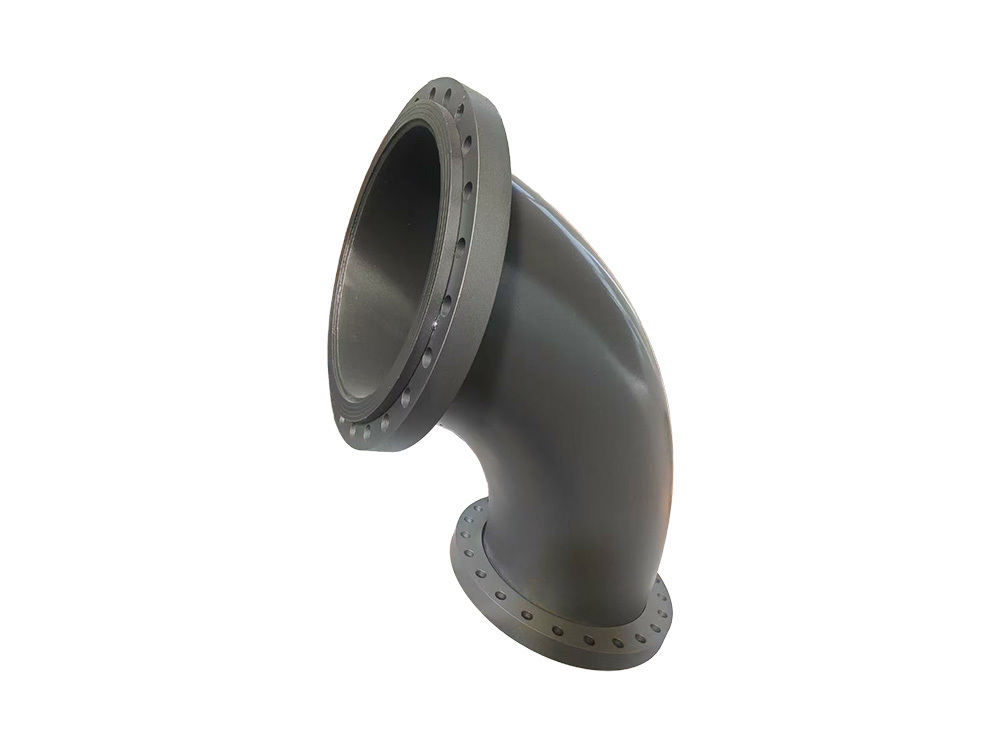
Installation Tips for 304L Stainless Steel Elbow in Residential Projects
When it comes to residential plumbing and piping projects, the choice of materials is crucial for achieving longevity and efficiency. One such material, 304L stainless steel, has gained immense popularity due to its excellent corrosion resistance and mechanical properties. In this article, we will delve deep into the best practices for installing 304L stainless steel elbows, ensuring your projects are successful and sustainable.
Understanding 304L Stainless Steel Elbows
Before diving into installation tips, let’s explore what makes 304L stainless steel elbows a preferred choice in residential projects. The “L” in 304L stands for low carbon content, which significantly enhances its corrosion resistance. The benefits include:
- Improved weldability
- Enhanced resistance to pitting and crevice corrosion
- Strength at high and low temperatures
These properties make 304L stainless steel elbows ideal for various applications, including plumbing, drainage, and HVAC systems.
Choosing the Right Elbow for Your Project
Not all elbows are created equal. When selecting a 304L stainless steel elbow, consider the following factors:
- Type: 90-degree, 45-degree, and straight elbows are commonly used, depending on the plumbing layout.
- Diameter: Ensure the elbow matches the diameter of your pipes for a secure fit.
- Schedule: Different wall thicknesses, known as schedules, affect pressure ratings and should be matched accordingly.
Common Applications for 304L Stainless Steel Elbows
These elbows find use in a variety of applications:
- Piping for water supply and drainage systems
- HVAC systems for air flow regulation
- Food and beverage processing industries
Essential Tools and Materials for Installation
To ensure a smooth installation process, gather the following tools and materials:
- Tools: Pipe cutters, wrenches, measuring tape, deburring tool, and welding equipment (if applicable)
- Materials: 304L stainless steel elbows, pipes, fittings, and sealing compounds
Preparing for Installation
Preparation is key to a successful installation. Follow these steps:
- Measure and Plan: Take precise measurements of the area where the elbow will be installed. Plan the layout to minimize bends and reduce potential pressure loss.
- Cutting the Pipe: Use a pipe cutter for clean cuts. Ensure the edges are smooth using a deburring tool to prevent damage to the elbow.
Tips for Accurate Measurements
When measuring, always double-check your dimensions to avoid costly mistakes. It's wise to account for the elbow's angle and how it will affect the overall length of your piping system.
Installation Techniques for 304L Stainless Steel Elbows
Once you've prepared your workspace, it’s time to begin installation. Here are detailed steps to guide you:
Step 1: Align the Elbow with the Pipe
Position the 304L stainless steel elbow at the correct angle and ensure a snug fit with the pipe. Misalignment can lead to leaks and increased wear.
Step 2: Secure the Connection
If you’re using threaded connections, apply Teflon tape or a suitable sealant to the threads before tightening. For welded connections, ensure proper welding techniques are followed to prevent corrosion at the weld site.
Step 3: Testing for Leaks
After installation, conduct a pressure test to check for any leaks. This step is crucial, as undetected leaks can lead to significant water damage over time.
Best Practices for Tightening Connections
Do not overtighten threaded connections, as this can cause damage to the threads. Tighten until snug and ensure a proper seal without excessive force.
Maintenance Tips for 304L Stainless Steel Elbows
To extend the life of your installation, regular maintenance is essential. Here are some tips:
- Inspect Regularly: Check for signs of corrosion, leaks, or wear.
- Clean the Surface: Use a mild detergent and water to clean the elbows and prevent buildup.
- Monitor Pressure Levels: Ensure that your system is operating within the recommended pressure range to avoid undue stress on the elbows.
Signs of Potential Issues
Be vigilant for signs of trouble, such as unusual noises, wet spots, or rust. Addressing these issues promptly can prevent more extensive damage.
Frequently Asked Questions (FAQs)
1. What is the difference between 304 and 304L stainless steel?
304L has lower carbon content compared to 304, making it more resistant to corrosion and improving its weldability.
2. Can I use 304L stainless steel elbows for hot water plumbing?
Yes, 304L stainless steel elbows are suitable for hot water plumbing applications due to their temperature resistance.
3. How do I know if my installation is correct?
Conduct pressure tests and inspect for leaks. A properly installed elbow should have no visible gaps or signs of wear.
4. What are the disadvantages of using stainless steel elbows?
While stainless steel elbows offer durability, they can be more expensive than plastic alternatives and may require specialized tools for installation.
5. Is welding necessary for installing 304L stainless steel elbows?
Welding is not always necessary; threaded or flanged connections can also be used depending on the specific application and design.
Conclusion
Installing 304L stainless steel elbows in residential projects requires careful planning, the right tools, and adherence to best practices. By understanding the features of the material, preparing adequately, and following the outlined installation techniques, you can ensure a reliable and durable plumbing system. Regular maintenance will further extend the life of your installation, making it a worthwhile investment for any homeowner. Embrace these tips for a successful installation and enjoy the long-lasting benefits of 304L stainless steel elbows in your projects.
Blog

Understanding Polyurethane Direct Buried Insulation Pipes: A Comprehensive Guide

Contact information
200 metres west of the south side of the intersection of Hope Avenue and Fenqi Road, Xindian Town, Mengcun Hui Zuzizhixian, Cangzhou City, Hebei Province, China


Message feedback
If you are interested in our products, please leave your email and we will contact you as soon as possible. Thank you!