
Understanding Polyurethane Direct Buried Insulation Pipe: Benefits and Applications
2025-07-23

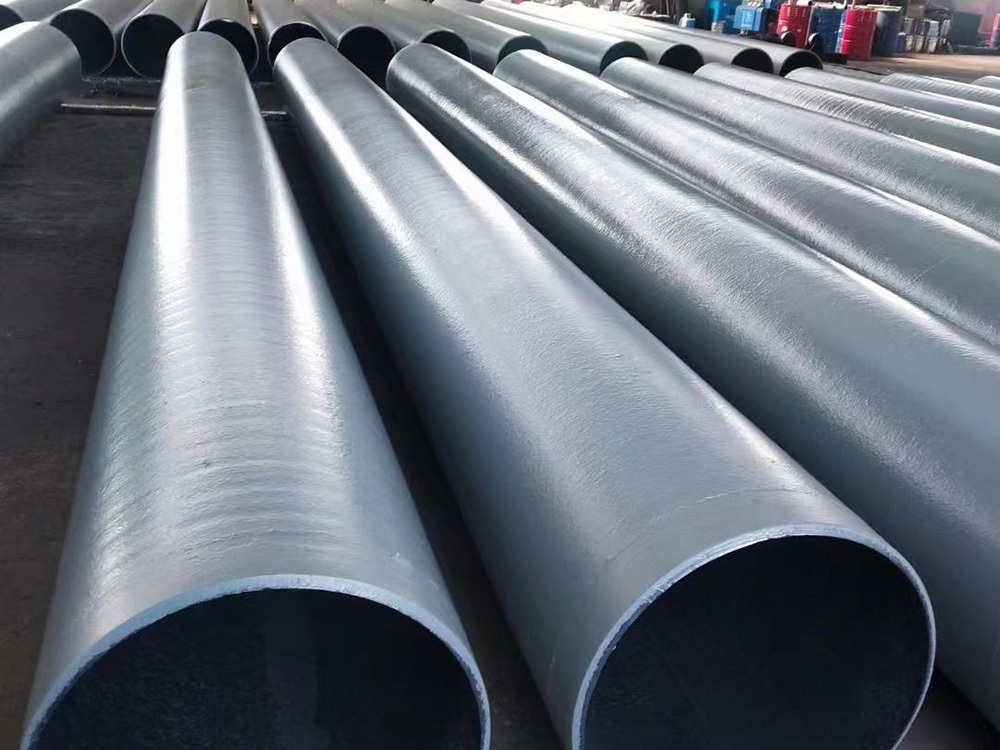
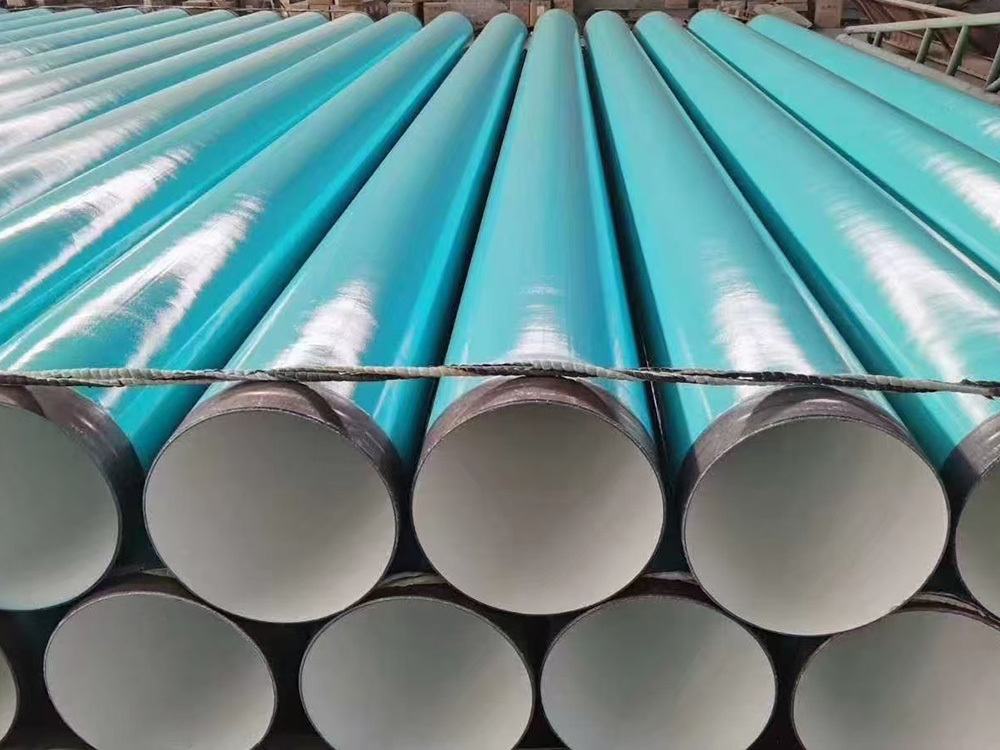
Polyurethane direct buried insulation pipes are advanced solutions utilized extensively in various industrial sectors, particularly in metallurgy and energy. These pipes are designed to maintain optimal temperature levels for the fluids or gases they transport, making them crucial in applications where temperature control is paramount.
The primary feature of polyurethane insulation is its exceptional thermal resistance. This material minimizes heat transfer, ensuring that the temperature of the contents within the pipe remains stable over extended periods. This is particularly important in energy transmission systems where maintaining the temperature of hot water or steam is essential for efficiency and performance. By reducing heat loss during transportation, companies can significantly lower energy consumption and operational costs.
Another notable advantage of polyurethane direct buried insulation pipes is their durability. Made from high-quality polyurethane foam, these pipes withstand harsh environmental conditions, including moisture, chemicals, and extreme temperatures. Their robust construction ensures longevity, which translates into reduced maintenance needs and prolonged service life. This makes them an economically sound choice for industries engaged in heavy operations where downtime can lead to significant financial losses.
Installation is also a key aspect of these pipes. Polyurethane direct buried insulation pipes are designed for ease of installation, often requiring less labor and time compared to traditional insulation options. Their flexibility allows for easy maneuvering, making them ideal for complex underground installations. Once buried, they are resistant to external factors, providing reliable performance without the need for continual monitoring.
In addition to their thermal insulation properties, polyurethane pipes are also lightweight. This characteristic aids in transportation and handling, reducing the overall cost of logistics. Moreover, their lightweight nature minimizes the need for heavy machinery during installation, further contributing to cost efficiency.
Polyurethane direct buried insulation pipes find applications in various sectors, including district heating systems, oil and gas pipelines, and industrial processes that require temperature-sensitive fluid transport. They are particularly beneficial in environments where energy efficiency is a priority, contributing to sustainability goals by minimizing energy losses.
To sum up, polyurethane direct buried insulation pipes represent a significant advancement in pipe insulation technology. Their thermal efficiency, durability, ease of installation, and lightweight nature make them a smart choice for a wide range of applications in metallurgy, energy, and beyond. As industries continue to seek ways to improve energy efficiency and reduce costs, the adoption of these innovative pipes is likely to increase, solidifying their role as a cornerstone in modern infrastructure.
Blog

Understanding Polyurethane Direct Buried Insulation Pipes: A Comprehensive Guide

Contact information
200 metres west of the south side of the intersection of Hope Avenue and Fenqi Road, Xindian Town, Mengcun Hui Zuzizhixian, Cangzhou City, Hebei Province, China


Message feedback
If you are interested in our products, please leave your email and we will contact you as soon as possible. Thank you!